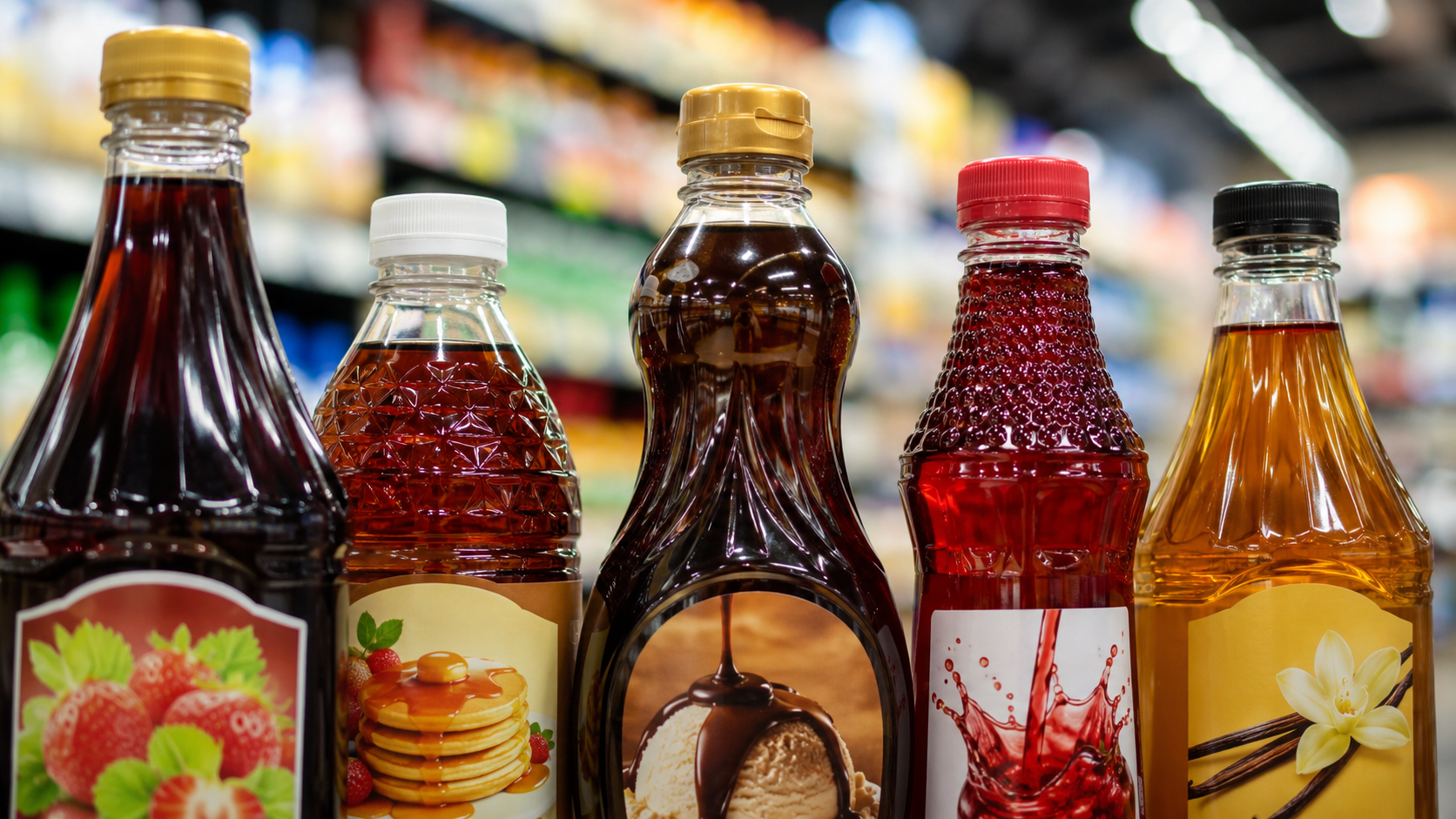
The global PET syrup bottle market is projected to grow from $1.81 billion to $2.96 billion by 2034.
This expansion is driven by consumer demand for diverse syrup products and PET's functional properties.
Industry efforts focus on enhancing recyclability and integrating recycled content to address sustainability concerns.
The global market for PET (polyethylene terephthalate) syrup bottles is poised for significant expansion, with projections indicating a rise from $1.81 billion to $2.96 billion by 2034, according to recent analysis from SPI. This growth trajectory underscores the increasing reliance on PET packaging across various industries and reflects evolving consumer preferences for convenience and product diversity. The market's upward trend signals a sustained demand for efficient and versatile packaging solutions capable of protecting and delivering a wide array of syrup-based products to a global audience.
Market Dynamics and Consumer Shifts
The projected growth in the PET syrup bottle market is largely attributable to several interconnected factors, including shifting consumer habits and the material's inherent advantages. A global increase in demand for diverse syrup products—ranging from coffee and cocktail syrups to health supplements and culinary ingredients—fuels the need for effective packaging. Consumers increasingly seek convenience and product longevity, which PET bottles are well-suited to provide.
PET's lightweight nature and shatterproof properties make it an ideal choice for both manufacturers and consumers. These characteristics contribute to reduced transportation costs and enhanced safety during handling and storage, particularly important in an expanding e-commerce landscape where products endure various shipping conditions. The economic efficiency of PET also allows producers to maintain competitive pricing, further stimulating market penetration across different regions.
Emerging markets, in particular, are contributing significantly to this growth as urbanization and rising disposable incomes lead to greater consumption of packaged food and beverage items. The adaptability of PET bottles to various product formulations and branding requirements also supports their widespread adoption. This sustained demand is creating opportunities for packaging manufacturers to refine production processes and expand their global footprint.
PET Syrup Bottles Set for Substantial Market Expansion by 2034
Material Advantages and Environmental Scrutiny
PET offers a combination of optical clarity, barrier protection, and design flexibility that makes it highly attractive for syrup packaging. Its ability to preserve product integrity by protecting against oxygen ingress and moisture is crucial for maintaining the quality and shelf life of sensitive syrup formulations. The transparency of PET also allows consumers to visually assess the product, which can influence purchasing decisions.
Despite its functional benefits, PET packaging, like all plastics, faces increasing environmental scrutiny regarding waste management and pollution. The industry is actively responding to these concerns by investing in enhanced recycling infrastructure and promoting the use of recycled PET (rPET) content. Many brands are setting ambitious targets for incorporating post-consumer recycled materials into their packaging to meet consumer expectations and regulatory mandates.
Innovations in packaging design are also focusing on creating lighter bottles and monomaterial solutions to improve recyclability and reduce the overall environmental footprint. These efforts are part of a broader industry push towards a circular economy for plastics, aiming to keep materials in use for longer. The drive for sustainability is becoming a key differentiator in the market, influencing procurement decisions from major syrup producers globally.
Innovation, Production, and Future Outlook
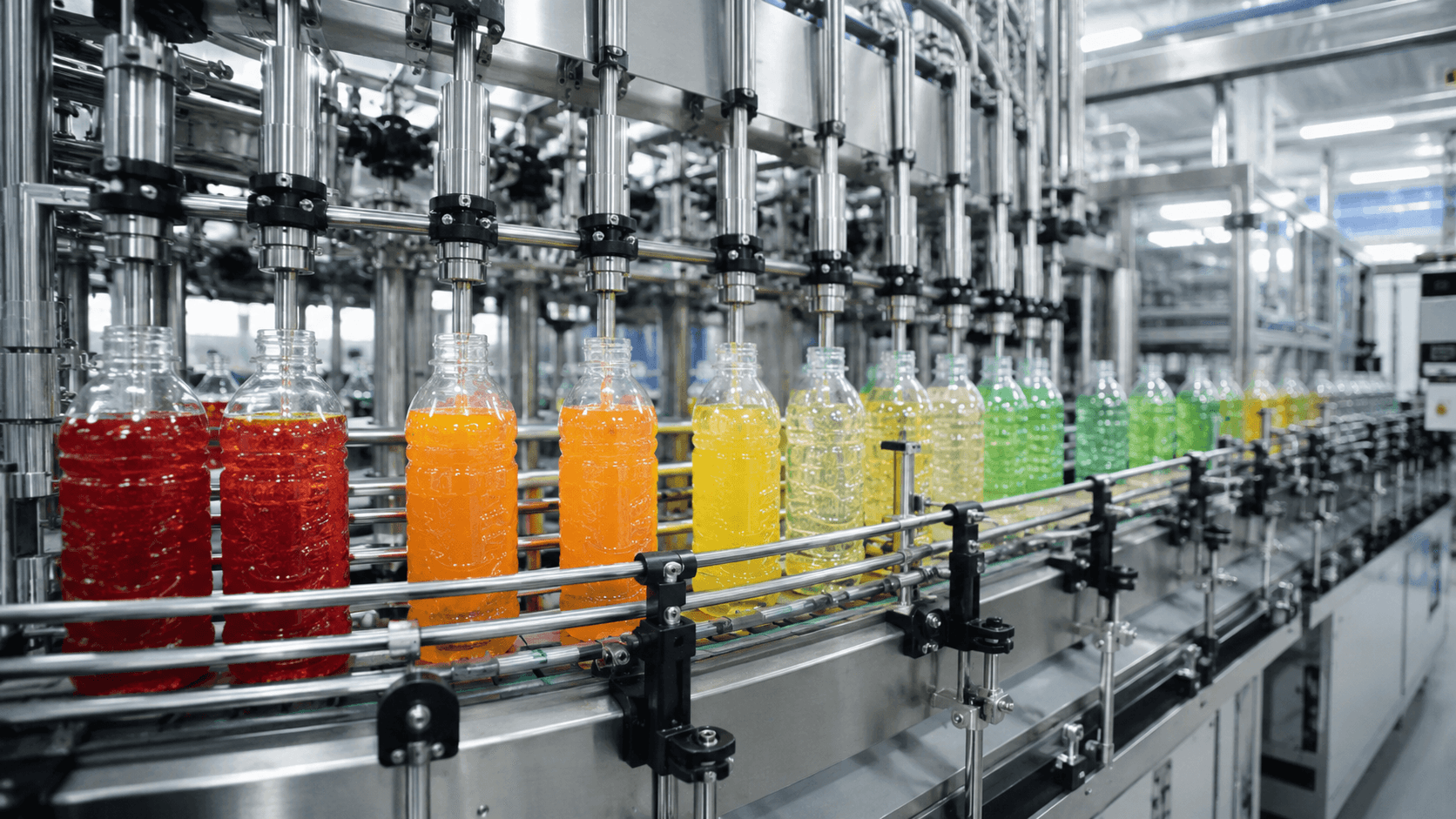
Advances in PET manufacturing technologies are contributing to the market's evolution, allowing for the production of bottles with improved performance characteristics and reduced material usage. These innovations include barrier coatings that further enhance shelf life and advanced molding techniques that create more intricate and appealing designs. Such developments support brand differentiation in a crowded market.
The integration of automation and smart manufacturing processes in bottle production and filling lines is also boosting efficiency and scalability. This allows manufacturers to meet the growing demand while maintaining quality control and reducing operational costs. The focus on high-speed, precise production is essential for serving the fast-paced consumer goods sector.
Looking ahead, the PET syrup bottle market is expected to continue its growth trajectory, driven by ongoing consumer demand for diverse products and packaging convenience. However, future success will increasingly depend on the industry's ability to balance performance with environmental responsibility. Continued investment in recycling technologies, the development of bio-based PET alternatives, and strong collaboration across the supply chain will be crucial for sustaining this expansion and addressing global sustainability challenges effectively.
⭐
Business Spotlight
This article is a premium Business Spotlight feature — an in-depth profile with priority homepage placement. Contact us to be featured.
Stay Ahead of the News
Get the latest business news and company spotlights delivered to your inbox. No spam, unsubscribe any time.