The Aluminum Matrix Composites for Automotive Market is projected to nearly double by 2035.
Demand for lightweight materials is driven by global emissions standards and electrification trends.
Asia-Pacific is emerging as a significant growth region for AMC adoption in vehicles.
The global automotive industry is set to significantly increase its reliance on advanced materials, with the Aluminum Matrix Composites (AMCs) market for automotive applications forecast to reach an estimated $27.55 billion by 2035. This substantial growth represents an 8.1% compound annual growth rate (CAGR) from its 2026 valuation of $14.77 billion. The surge underscores a broader industry shift towards materials that can simultaneously enhance vehicle performance, reduce weight, and meet increasingly stringent environmental regulations.
Driving Demand for Performance Materials
The primary catalyst for this market expansion is the escalating global demand for lightweight materials. Automotive manufacturers are under pressure to improve fuel efficiency and reduce emissions, making AMCs a compelling alternative to traditional steel and aluminum alloys. These composites, typically aluminum reinforced with ceramic particles or fibers, offer an exceptional blend of strength, stiffness, and thermal stability.
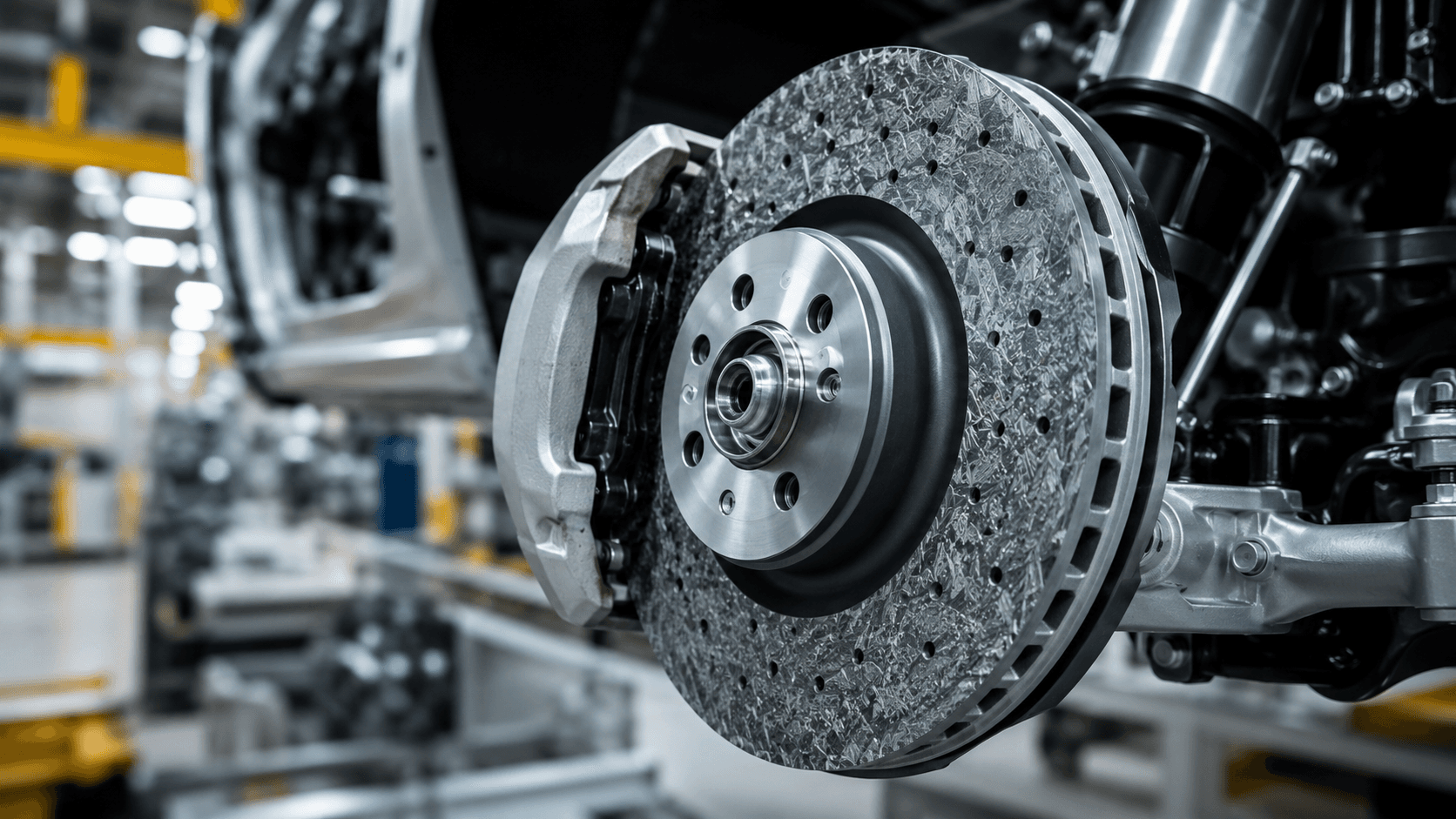
AMCs are finding applications across various critical vehicle components, including engine parts, brake systems, and structural elements. Their superior wear resistance and thermal management properties are particularly beneficial in high-stress environments. This material evolution directly supports global environmental initiatives and sustainability goals by enabling lighter vehicles.
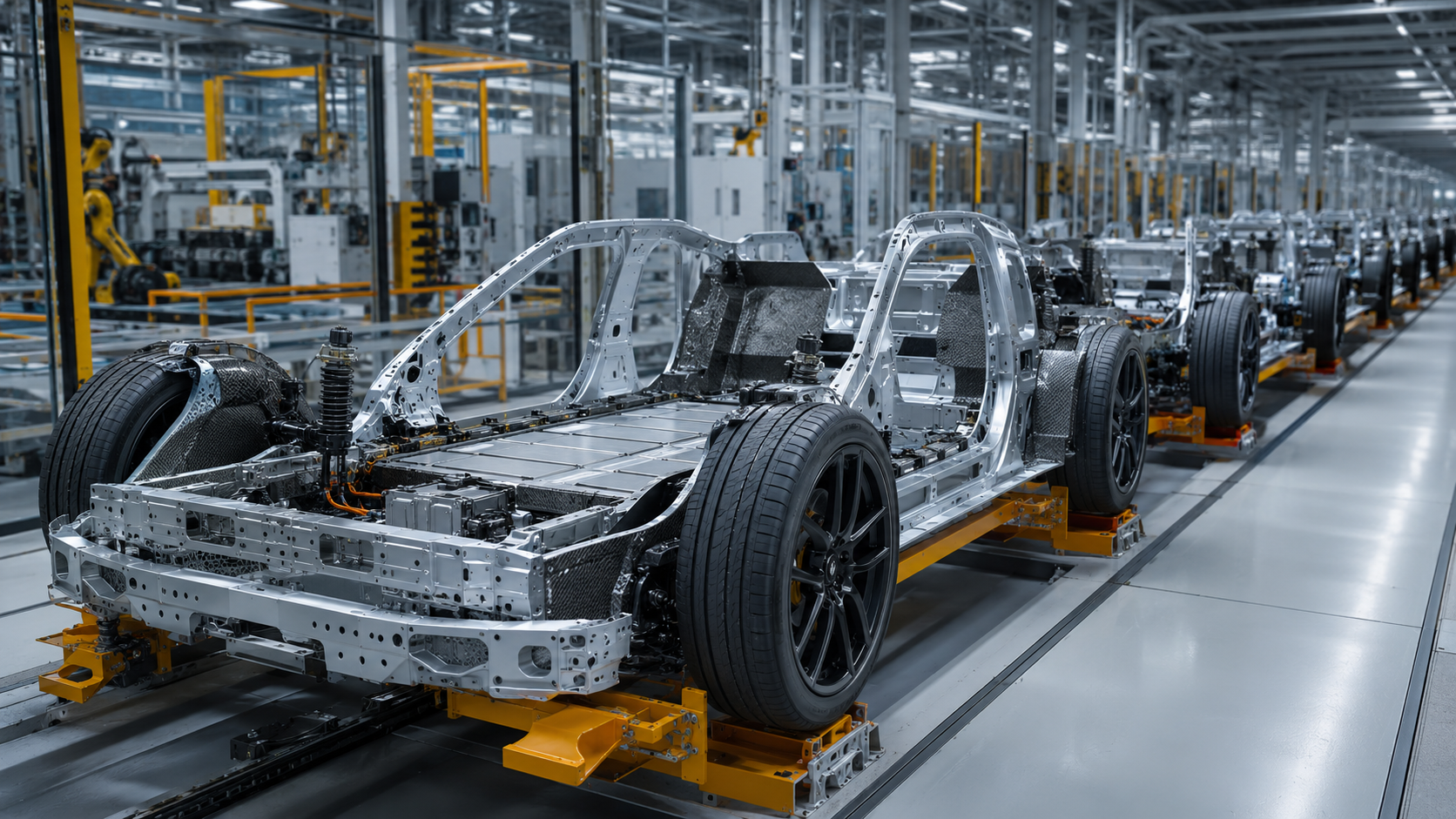
The push towards vehicle electrification and autonomous driving further amplifies the need for such materials. Electric vehicles (EVs) and hybrid models prioritize weight reduction to maximize battery range and overall performance. AMCs are well-positioned to meet these evolving design requirements, offering customizable properties compatible with existing manufacturing processes.
Automotive Sector Embraces Advanced Composites for Efficiency Gains
Global Production and Future Trajectories
While North America and Europe have historically led the adoption of AMCs due to early regulatory pressures and a focus on material innovation, the Asia-Pacific region is rapidly gaining prominence. Countries like China, India, and Japan are investing heavily in automotive production and R&D for advanced materials, contributing substantially to market growth. This regional expansion indicates a global recognition of AMCs' strategic importance.
Advancements in manufacturing technologies, such as powder metallurgy, stir casting, and squeeze casting, are also playing a pivotal role. These methods are making the production of AMCs more cost-effective and scalable, improving consistency and quality. Continued research into interface bonding between aluminum and reinforcement materials promises to further optimize mechanical properties, broadening potential applications.
The projected growth of the AMC market signals a fundamental shift in automotive material science, moving beyond incremental improvements in traditional metals. This trend suggests that automakers are increasingly willing to invest in new material solutions to meet future performance, efficiency, and environmental targets. The growing market also indicates potential for new supply chain dynamics and increased collaboration between material science firms and automotive manufacturers globally.
The optimistic outlook for aluminum matrix composites reflects their critical role in the next generation of automotive design and engineering. As the industry continues its transformation towards more sustainable and efficient vehicles, AMCs are expected to attract sustained investments and drive further innovation. This trajectory solidifies their position as a key enabling technology for future mobility solutions.
Stay Ahead of the News
Get the latest business news and company spotlights delivered to your inbox. No spam, unsubscribe any time.