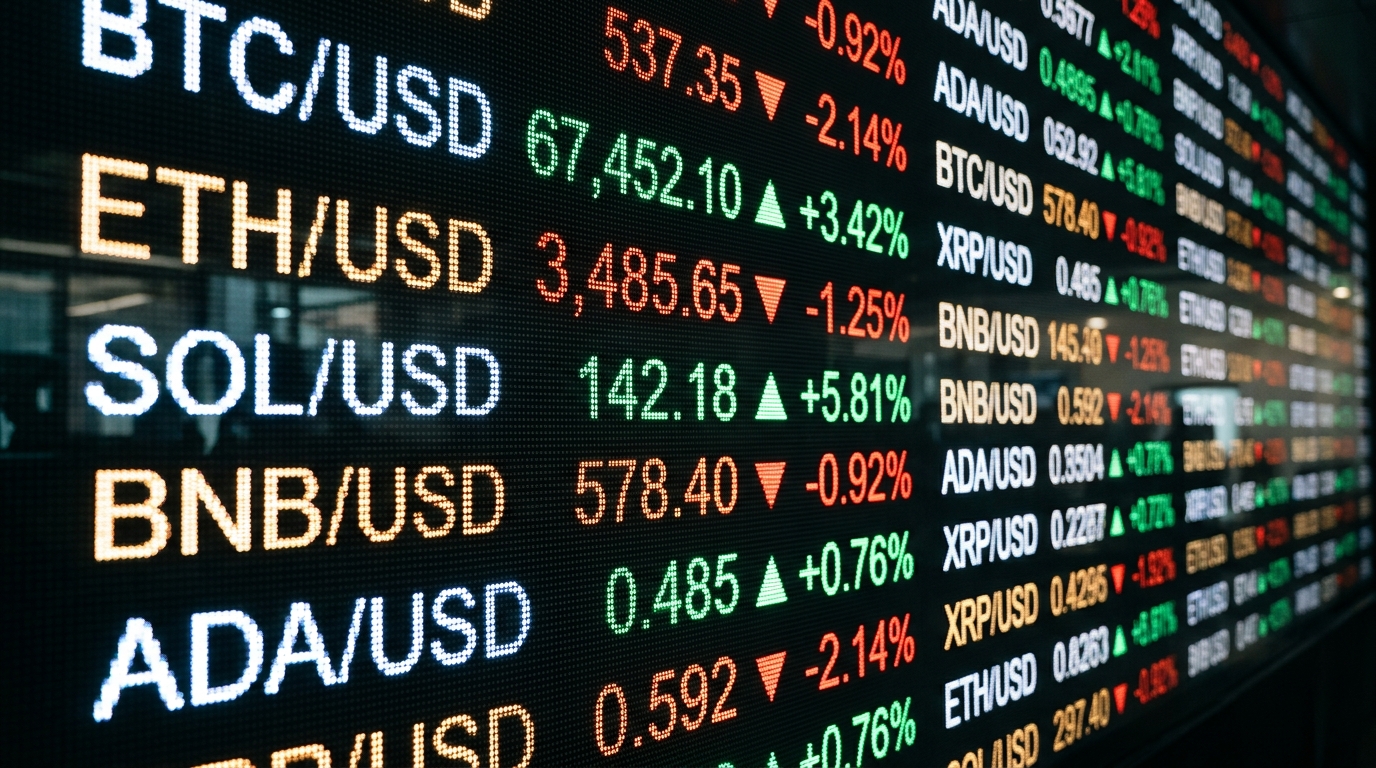
Analysts warn Hyperliquid's HYPE token could fall below $70 if Middle East tensions involving Iran escalate further
Crypto markets remain highly sensitive to geopolitical shocks, with leveraged altcoins typically suffering the steepest drawdowns
Speculative presale tokens such as AlphaPepe are drawing attention from traders seeking outsized gains, though such projects carry substantial risk
Crypto traders are bracing for renewed volatility as escalating tensions tied to Iran weigh on risk assets, with some analysts now suggesting Hyperliquid's native token, HYPE, could drop below $70 if the conflict deepens. The warning underscores how quickly sentiment in digital asset markets can shift when geopolitical risk rises, even for tokens that had posted strong gains earlier this year. At the same time, speculative interest is building around newer, unproven projects such as AlphaPepe, as traders search for the next large percentage move.
Hyperliquid's Rally Meets a Geopolitical Stress Test
Hyperliquid has emerged as one of the more closely watched platforms in decentralized finance, built around a high-speed on-chain order book for perpetual futures trading. Its HYPE token benefited from growing trading volumes and a broader rotation of capital into decentralized exchange infrastructure over recent months. That momentum, however, has made the token more exposed to sudden shifts in macro sentiment than more established cryptocurrencies with deeper liquidity.
Price forecasts pointing to a potential slide below $70 reflect a broader pattern seen across crypto markets during periods of geopolitical stress. When conflict risk rises, investors typically reduce exposure to higher-beta assets first, and tokens tied to leveraged derivatives trading tend to amplify both upside and downside moves. Hyperliquid's business model, built around traders using leverage, means sharp downturns in risk appetite can trigger cascading liquidations that accelerate price declines.
Oil markets, currency pairs and equity indices have historically reacted first to Middle East escalation, with crypto often following with a lag as traders reassess overall risk budgets. Hyperliquid is not unique in this exposure; most altcoins with concentrated trading activity and thinner order books face similar pressure during risk-off episodes. The key variable now is whether tensions stabilize quickly or extend into a prolonged standoff that keeps global markets on edge.
Iran Tensions Test HYPE's Rally as Traders Chase New Bets
Why Geopolitical Shocks Hit Crypto Markets Harder Than Expected
Digital assets are frequently described as uncorrelated to traditional markets, but repeated episodes of geopolitical stress have challenged that narrative. In practice, crypto has increasingly traded in step with broader risk sentiment, particularly technology equities, during periods of acute uncertainty. This has been documented in coverage from financial outlets such as Reuters, which has tracked how bitcoin and major altcoins have moved alongside equity indices during past conflict-driven selloffs.
The mechanics behind this correlation are straightforward. Institutional and retail traders alike tend to de-risk simultaneously across asset classes when uncertainty spikes, pulling capital from speculative positions regardless of the underlying technology or use case. Leverage amplifies this effect in crypto specifically, since many platforms, including Hyperliquid, allow traders to take highly leveraged positions that unwind rapidly once margin calls are triggered.
This dynamic explains why a token with strong fundamentals and growing adoption can still see sharp price declines during external shocks unrelated to its own performance. It also highlights a structural vulnerability facing newer decentralized finance platforms: their valuations are tied not only to usage metrics but to the broader market's appetite for risk at any given moment.
The Appeal and Risk of Chasing the "Next" Breakout Token
Amid the uncertainty surrounding established tokens, attention has turned to early-stage projects positioning themselves as high-growth alternatives. AlphaPepe is among the newer entrants drawing speculative interest, pitched to investors as a potential breakout token in a market still fond of meme-adjacent branding following the success of earlier projects in that category. Presale-stage tokens like this typically offer lower entry prices in exchange for significantly higher risk, given the absence of trading history, liquidity depth or proven demand.
Regulators in multiple jurisdictions have repeatedly cautioned that early-stage token offerings carry elevated risk of loss, citing limited transparency and the difficulty of verifying project claims before a token lists on exchanges. The U.S. Securities and Exchange Commission has published general investor guidance warning that digital asset offerings promising rapid gains often lack the oversight applied to regulated securities markets. That caution applies broadly to presale tokens regardless of branding or marketing momentum.
The pattern of capital rotating from established tokens into speculative newcomers during periods of macro uncertainty is not new. It reflects a segment of the market willing to accept binary outcomes in pursuit of large returns, even as broader conditions argue for caution. Whether AlphaPepe or similar projects gain lasting traction will likely depend less on geopolitical headlines and more on whether they can demonstrate genuine usage once trading begins.
Taken together, the pressure facing HYPE and the speculative interest in unproven tokens illustrate a market still working through conflicting impulses: caution driven by geopolitical risk, and appetite for speculative upside undimmed by that same uncertainty. Analysts continue to stress that short-term price forecasts tied to conflict developments remain inherently uncertain, since outcomes depend on factors outside market control. Investors are likely to see continued volatility across both established and newer tokens until geopolitical tensions show clearer signs of easing.
⭐
Business Spotlight
This article is a premium Business Spotlight feature — an in-depth profile with priority homepage placement. Contact us to be featured.
Stay Ahead of the News
Get the latest business news and company spotlights delivered to your inbox. No spam, unsubscribe any time.