
Business News & Info
Business⭐ Business Spotlight

Snack Brand's Influencer Hunt Mirrors Creator Boom

Daniel HartleyDaniel Hartley28 November 2026724 words · In-depth feature
Snack Brand's Influencer Hunt Mirrors Creator Boom

Click Below To Share & Ask AI to Summarize This Article

Save time and get the key takeaways instantly. Choose your favourite AI assistant to read and analyse this page for you.

At a Glance

  • Dam Tasty Beavers, a North American pastry snack brand, has opened a search for social media influencers to promote its products
  • The campaign reflects a broader shift of consumer packaged goods companies toward creator-led marketing over traditional advertising
  • Food and beverage brands face growing scrutiny over disclosure rules as influencer partnerships expand across platforms

Dam Tasty Beavers, a North American snack food company known for its beaver-tail-shaped pastries, has launched a recruitment drive for social media influencers to represent the brand across the continent. The move places the company squarely inside one of the fastest-growing corners of consumer marketing, where food and beverage brands increasingly bypass conventional advertising in favor of creators with built-in audiences on platforms such as TikTok, Instagram, and YouTube.

Why Snack Brands Are Turning to Creators

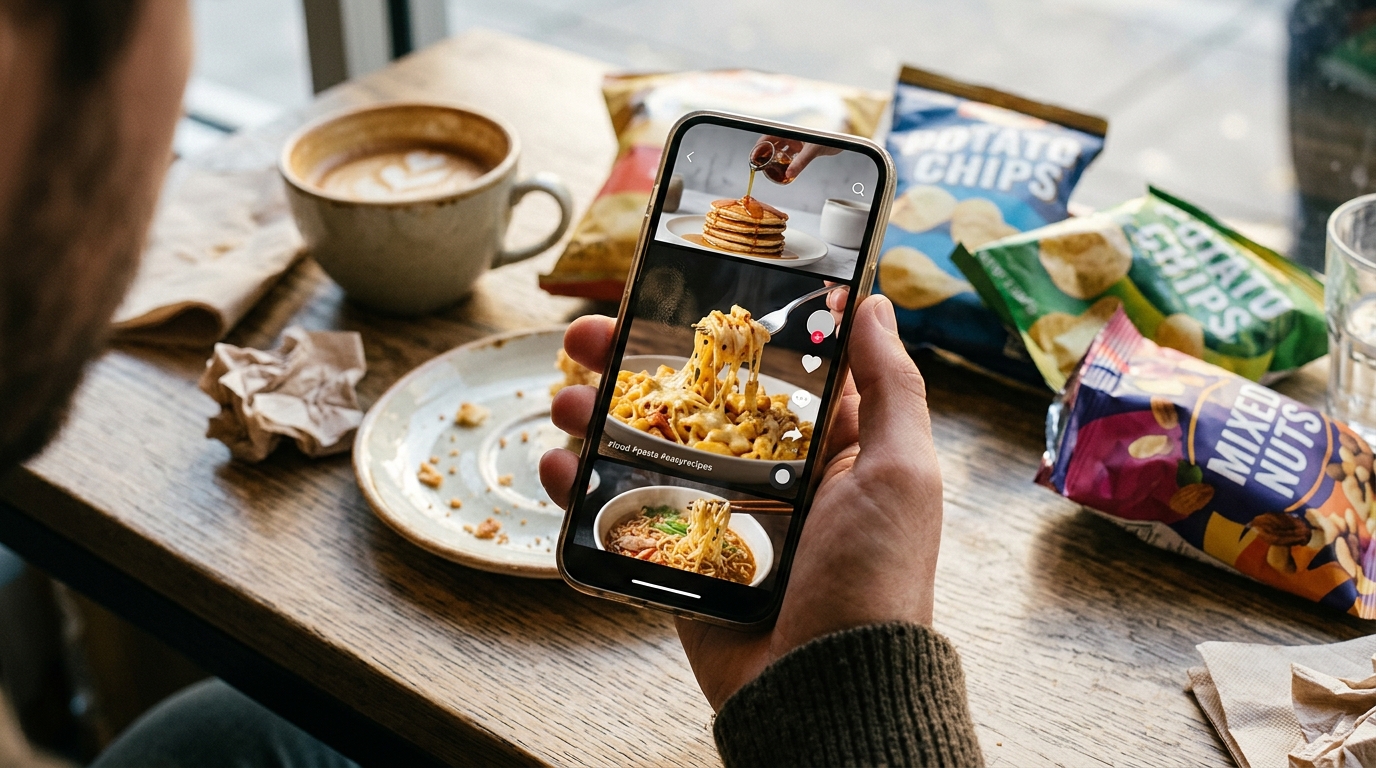
Food companies have long relied on television spots, in-store promotions, and sampling events to build brand recognition. That model has become harder to justify as attention has migrated to short-form video platforms, where younger consumers spend disproportionate amounts of time and where organic, creator-driven content often outperforms polished brand advertising.

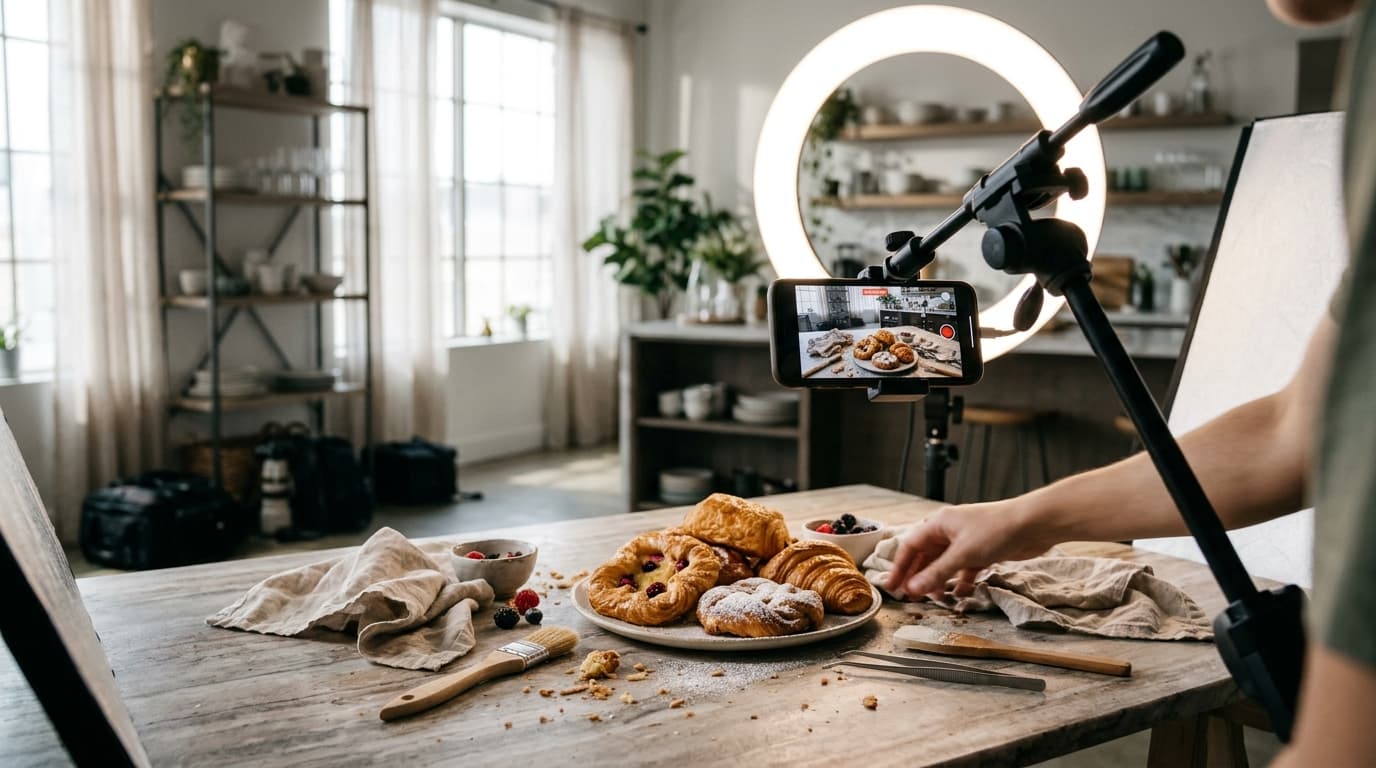
For a regional snack brand, recruiting independent creators offers a way to reach niche audiences without the production budgets required for a national campaign. Influencers can generate content at a fraction of the cost of a traditional agency shoot, and their followers often perceive recommendations from a familiar creator as more trustworthy than a branded commercial.

This dynamic has made influencer partnerships particularly attractive to mid-sized food producers that lack the marketing budgets of multinational snack conglomerates. A single well-placed video can generate engagement that would otherwise require a much larger advertising spend.

The strategy also carries risk, since brand reputation becomes tied to individuals whose public conduct and follower engagement a company cannot fully control.
Snack Brand's Influencer Hunt Mirrors Creator Boom

A Crowded and Increasingly Scrutinized Market

The influencer economy has matured considerably since its early days of casual product mentions. Brands now typically vet creators on engagement rates, audience demographics, and content consistency rather than follower counts alone, since inflated or purchased audiences have become a well-documented problem across platforms. BusinessNewsAndInfo.com has previously examined how creators and brands alike grapple with the murky economics of buying views on YouTube, a practice that underscores why authenticity verification has become a core part of influencer recruitment rather than an afterthought.

Regulatory bodies have also tightened expectations around sponsored content. In jurisdictions such as the United States, the Federal Trade Commission requires clear disclosure when creators are compensated for promoting a product, and similar rules have taken hold in Canada and other North American markets. Any brand expanding its influencer roster across the continent must account for varying disclosure standards depending on where its creators and their audiences are based.

Food brands face an additional layer of complexity, since claims about taste, ingredients, or health attributes made by influencers can draw regulatory attention if they stray into territory normally reserved for formal advertising review.

What the Search Signals for Smaller Food Brands

Dam Tasty Beavers' campaign fits a pattern seen across the broader snack and confectionery sector, where regional and specialty producers increasingly treat creator partnerships as a primary growth lever rather than a supplementary tactic. This mirrors trends visible in other consumer categories, including spirits and beverage companies that have pursued rapid distribution expansion alongside digital marketing pushes, such as the approach detailed in coverage of a liqueur brand's distribution deal following an accelerated retail rollout.

For smaller companies, the appeal of influencer recruitment lies in its scalability. A brand can start with a handful of creators and expand based on measurable engagement, rather than committing upfront to the fixed costs of a traditional media buy.

The approach is not without trade-offs. Smaller marketing budgets often mean fewer resources dedicated to vetting creators thoroughly, which can expose a brand to reputational risk if a partner's content underperforms or attracts controversy.

Dam Tasty Beavers' influencer search represents one small data point in a much larger realignment of how food brands reach consumers, particularly those without the budgets to compete with national advertising campaigns. As creator marketing matures, the brands that succeed are likely to be those that pair enthusiastic recruitment with disciplined vetting and clear compliance practices, rather than treating influencer partnerships as a quick substitute for traditional advertising spend.

⭐

Business Spotlight

This article is a premium Business Spotlight feature — an in-depth profile with priority homepage placement. Contact us to be featured.

Stay Ahead of the News

Get the latest business news and company spotlights delivered to your inbox. No spam, unsubscribe any time.

We respect your privacy. Unsubscribe at any time.