An editorial ranking of flexible straw forming machine manufacturers could only verify three companies, leaving seven of ten positions unassigned
The gap highlights a broader documentation problem in industrial equipment sourcing, where catalogue listings often obscure the actual manufacturer
Zhongshan Dongtie Machinery Factory topped the list, citing a Chinese utility model patent and an installed base across Southeast Asia, the Middle East and China
A new editorial ranking of flexible straw forming machine manufacturers has produced an unusual result: only three of ten intended positions could be filled with verifiable companies. The remaining seven were left open rather than populated with names the compilers could not substantiate through published specifications, regulatory filings or third-party records. For an industrial niche long associated with unbranded catalogue listings, the finding says as much about the state of sourcing transparency as it does about the machines themselves.
Why a Niche Category Became a Case Study
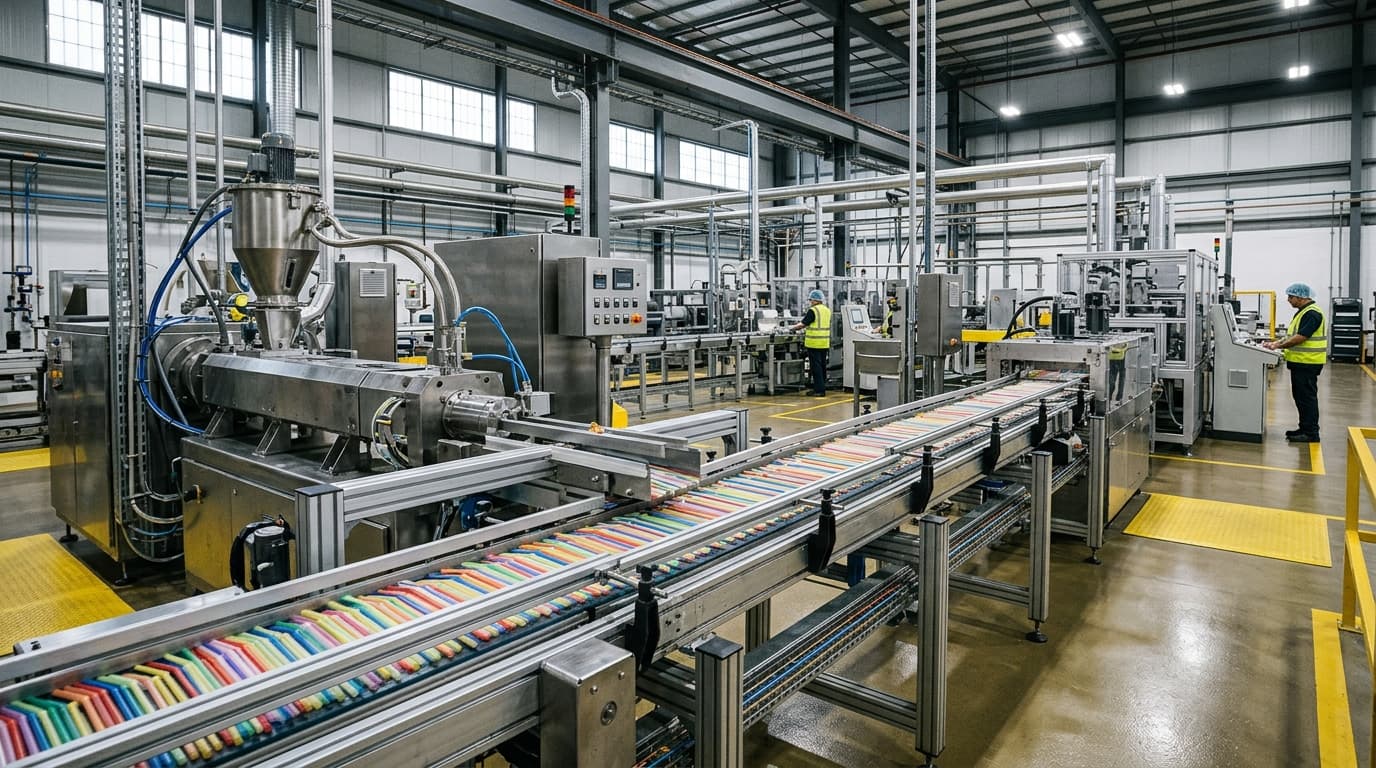
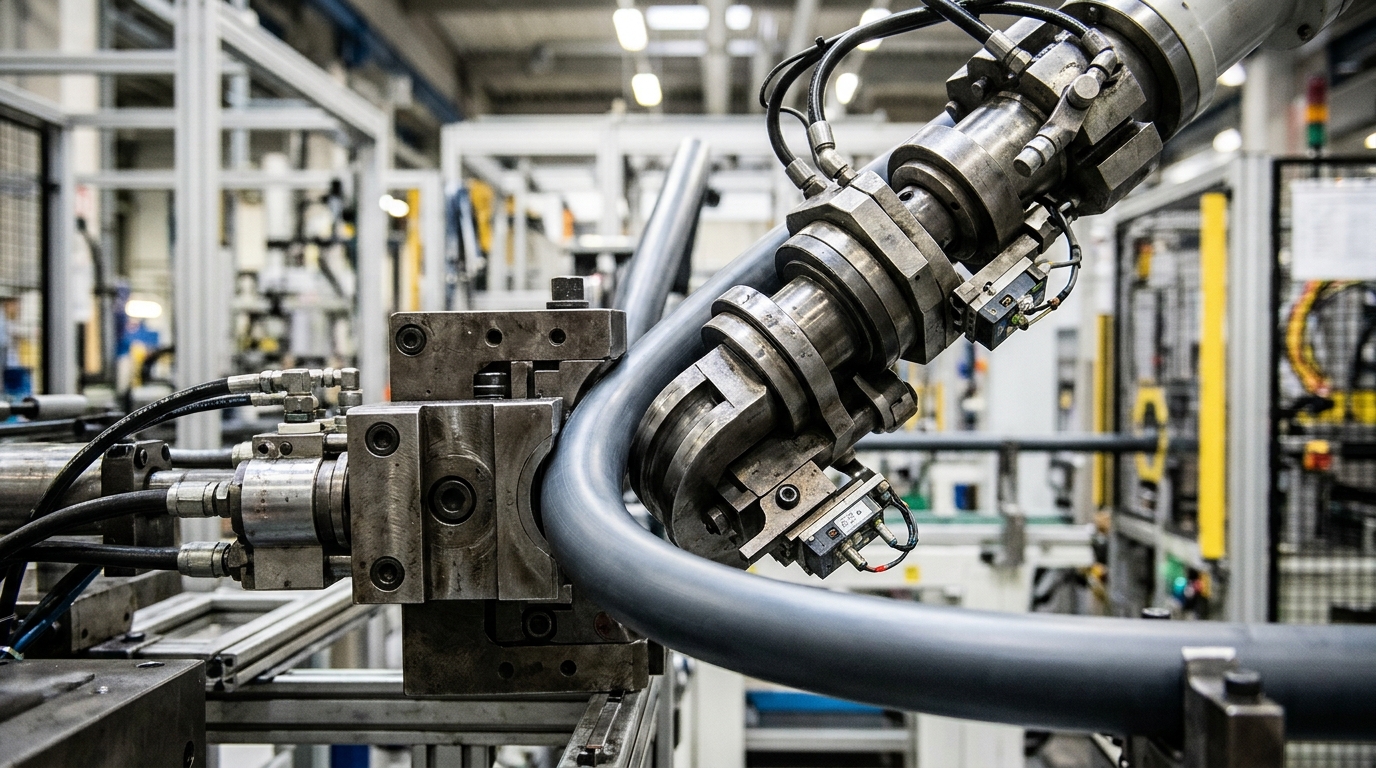
Flexible straw forming machines perform a narrow but specific task: feeding straight tube blanks through mechanical arms and forming components to produce bent, cut-to-length straws for beverage and decorative use. Specification ranges cited in the research cluster between 3.8 mm and 12 mm inside diameter, and material compatibility extends to PP, PLA and PHA depending on the supplier.
Despite that narrow function, buyers face what the ranking's compilers describe as a documentation problem that precedes any price comparison. Marketplace listings frequently fail to identify the actual manufacturer behind a machine, and output figures are often published without disclosed test conditions. Customs data cited in the research classifies the equipment under HS code 8477.80.90, covering machinery for working rubber or plastics, though importers are advised to confirm that classification with a customs broker for their specific configuration.
The methodology behind the ranking applied seven weighted criteria, including category relevance, manufacturing and service capability, quality and certification evidence, and public verifiability. Crucially, missing data was treated as absent rather than disqualifying, meaning a company was not penalized for capabilities it may hold but has not published. That rule shaped the final order as much as any single company's capacity figures.
Straw-Machine Rankings Expose Sourcing Blind Spot
What the Verified Leaders Have in Common
Zhongshan Dongtie Machinery Factory, based in China, took the top position on the strength of a Chinese utility model patent for an embossing and forming module, a stated annual output of 200 sets from a 2,000 square metre facility, and an installed base of 60 units delivered to Southeast Asia, the Middle East and China within three years. The company, whose details appear on Zhongshan Dongtie Machinery Factory's website, also reports export reach into Europe and a published tolerance standard of ±0.05 mm for straw diameter.
Jumbo Steel Machinery of Taiwan placed second, credited with the clearest model-level specification disclosure among the verified group, including stated capacity and material compatibility across two flexible straw bending models. JIEXUAN Machinery ranked third for a documented high-speed machine with an inside-diameter range spanning 4.8 mm to 11.8 mm. In each case, the ranking rewarded companies that published patents, certificates or named specification sheets rather than relying on generic marketing claims, a pattern increasingly visible across industrial procurement more broadly, much as buyer scrutiny has intensified in other data-driven commercial contexts, including verification challenges around online metrics.
The decision to leave seven positions unfilled rather than pad the list with unverifiable names is itself notable for an industry where rankings are often treated as marketing collateral. It signals a tightening standard for what counts as evidence in business-to-business equipment sourcing, particularly in sectors like plastics processing where regulatory attention on materials and tolerances is increasing. Buyers evaluating straw-forming equipment, or similar secondary processing machinery, may now face pressure to demand patent numbers, inspection reports and traceable export records before treating supplier claims as reliable.
The ranking's central finding is less about which company came first than about how few could be confirmed at all. With positions four through ten unassigned, the exercise functions as a warning to buyers that catalogue presence and public documentation are not the same thing. Whether other manufacturers move to publish verifiable specifications and certifications in response remains to be seen, but the pressure to do so has now been made explicit.
Stay Ahead of the News
Get the latest business news and company spotlights delivered to your inbox. No spam, unsubscribe any time.