Kansas City's Turkey Tuesday enters its 19th year as an annual push for food, volunteer time and financial donations ahead of Thanksgiving
The event reflects a wider pattern of communities relying on recurring, calendar-anchored campaigns to meet persistent food insecurity needs
Its longevity raises questions about donor fatigue and whether annual charity drives can keep pace with rising costs of living
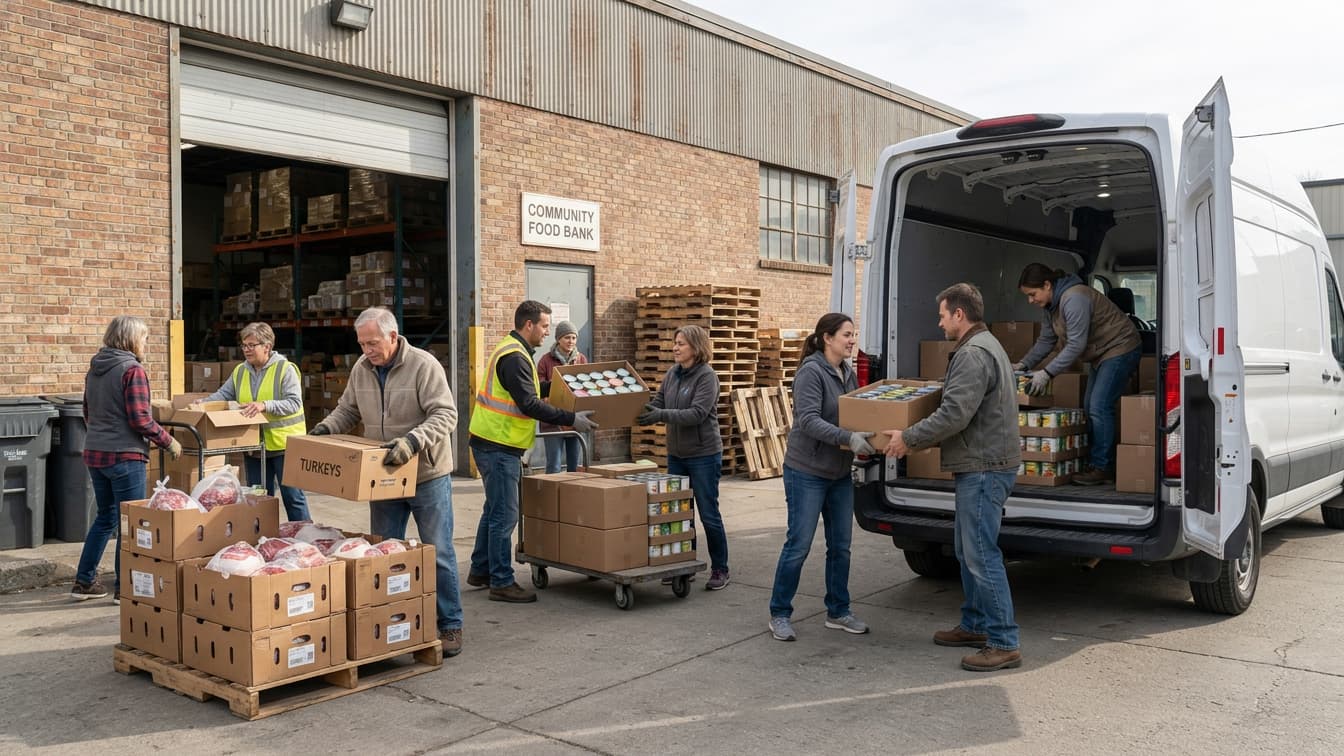
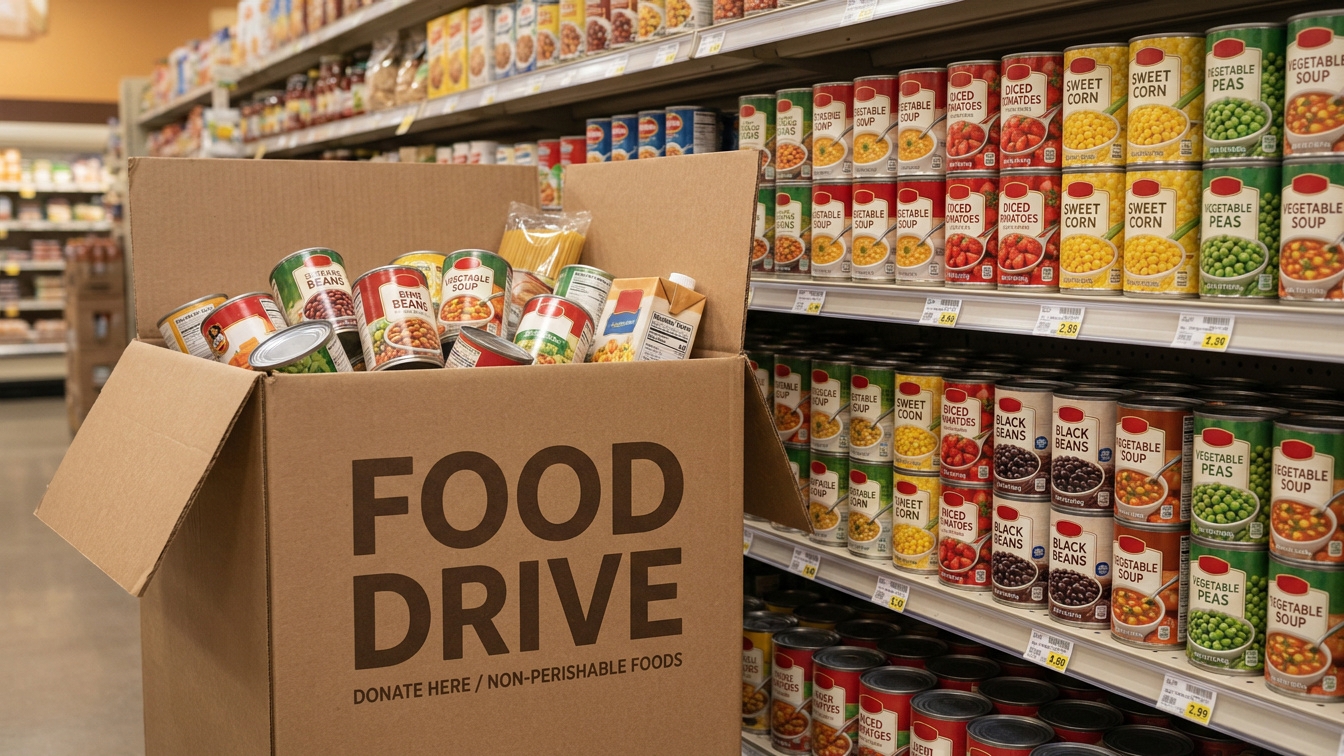
Kansas City's Turkey Tuesday returns for its 19th consecutive year, asking residents and businesses across the metro area to contribute food, volunteer hours and financial support ahead of the Thanksgiving holiday. The campaign's near two-decade run makes it one of the region's longest-standing organized charitable pushes tied to a single calendar date, a durability that says as much about the persistence of food insecurity as it does about the community's willingness to respond to it.
Why a 19-Year Streak Matters
Annual charity events typically struggle to survive beyond a handful of years before organizers scale back, merge efforts or quietly retire the initiative. Turkey Tuesday's run into a 19th edition places it among a small group of community campaigns that have outlasted multiple economic cycles, including the 2008 financial crisis and the pandemic-era disruptions that strained food banks nationwide.
That longevity is notable because food insecurity in many urban and suburban communities has not followed a steady downward trend. Instead, it has fluctuated with inflation, housing costs and employment conditions, meaning the underlying need an event like this addresses has rarely disappeared for long.
Sustaining a single-day or single-week campaign for nearly two decades also requires consistent institutional backing, whether from local media, retailers, schools or civic groups. The fact that organizers continue to frame the ask around three distinct forms of giving — food, time and financial support — suggests a recognition that cash alone cannot solve logistical gaps such as warehouse labor, transportation and meal preparation during the holiday surge.
KC's Turkey Tuesday Hits Year 19 Amid Giving Fatigue
The Economics Behind Holiday Giving Drives
Thanksgiving-season food drives occupy a specific niche in the charitable calendar. Food banks and pantries typically see demand spike in November and December, both because of the holiday itself and because colder months often coincide with higher utility bills that strain household budgets further. Organizations such as Feeding America have long documented how seasonal demand surges put pressure on food bank inventories just as donor attention is divided among multiple year-end causes.
This creates a timing challenge for any single campaign. Turkey Tuesday's placement in the pre-Thanksgiving window positions it to capture attention before competition from winter holiday giving intensifies, but it also means organizers must re-earn public engagement every year rather than relying on sustained, off-season support.
The reliance on volunteer time alongside monetary and food donations reflects a broader shift in how charitable organizations structure their asks. Rather than treating cash as the default, more campaigns now explicitly separate the three resource types, recognizing that not every participant, whether an individual or a business, can contribute equally across all of them.
What Business Involvement Signals
Local business participation in events like Turkey Tuesday often extends beyond simple donations. Companies frequently use the occasion to organize employee volunteer shifts, match staff contributions or provide in-kind support such as transportation and storage space, turning a community cause into a visible piece of corporate social engagement.
This pattern echoes a broader dynamic seen across other sectors, where recurring hardship gives rise to more structured, almost institutionalized responses. The wellness industry has followed a similar arc in recent years, a trend examined in how crisis becomes a business plan for wellness startups, where founders built ongoing ventures around addressing persistent, rather than one-time, needs.
For small and mid-sized businesses specifically, participation in a well-known local campaign can also serve as a low-cost way to build community visibility heading into the holiday retail season, a period when consumer goodwill toward locally engaged brands can translate into measurable foot traffic and loyalty.
Turkey Tuesday's 19th year underscores both the resilience of community-driven giving and the uncomfortable reality that the need behind it has shown no sign of fading. As food banks nationwide continue to navigate elevated demand against tighter donor budgets, events anchored to a fixed date offer predictability for organizers but no guarantee against long-term giving fatigue. Whether Kansas City's campaign reaches a 20th anniversary next year will likely depend less on tradition than on how local businesses and residents weigh competing year-end charitable priorities.
⭐
Business Spotlight
This article is a premium Business Spotlight feature — an in-depth profile with priority homepage placement. Contact us to be featured.
Stay Ahead of the News
Get the latest business news and company spotlights delivered to your inbox. No spam, unsubscribe any time.