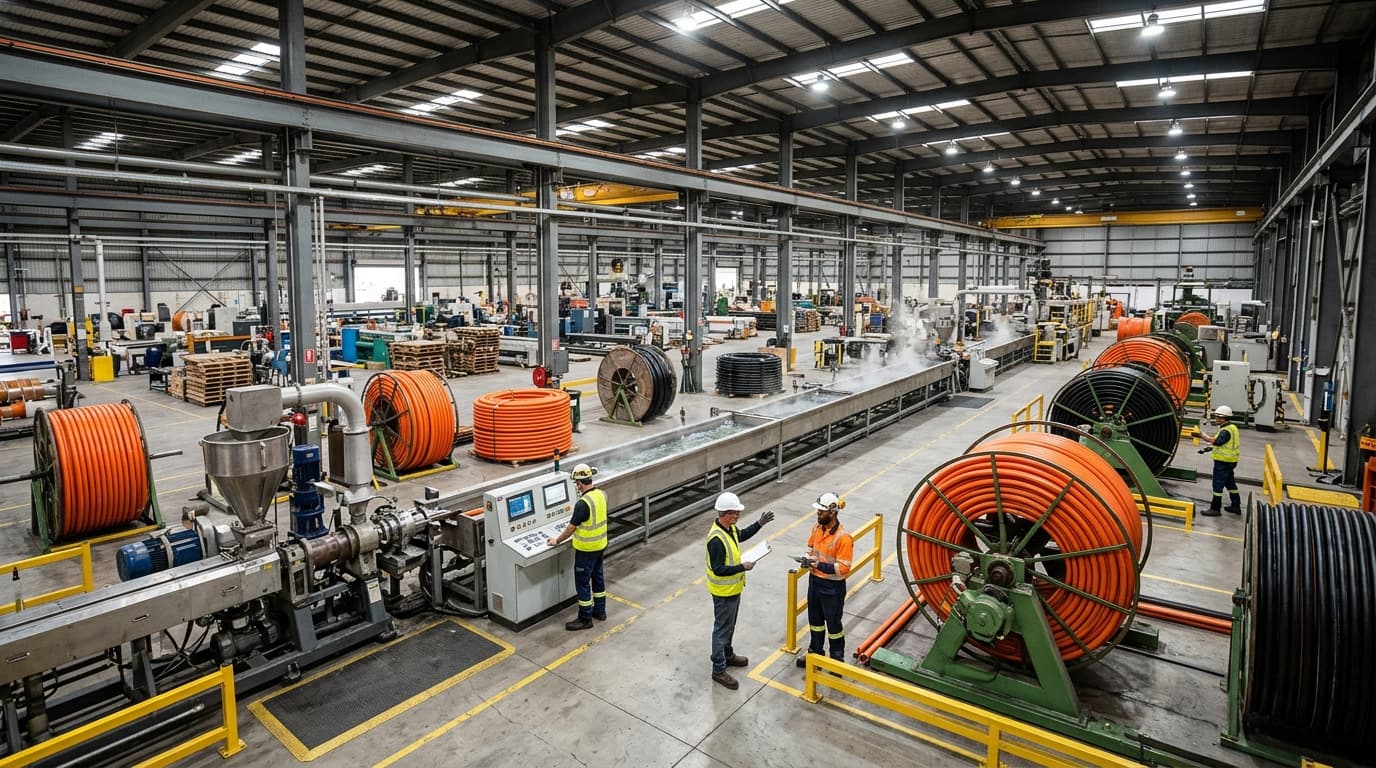
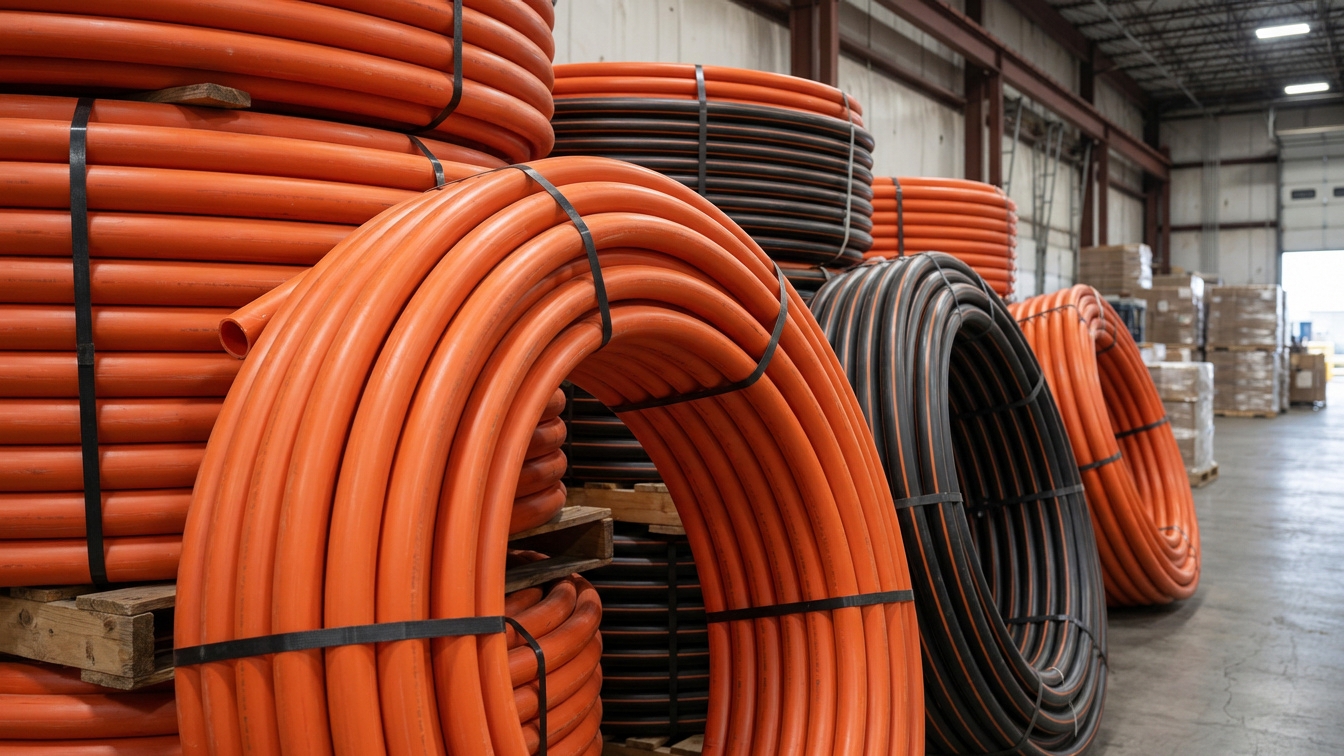
JURRY, a China-based manufacturer, produces certified extrusion lines that make underground conduit for telecom and fiber networks
Global fiber, 5G and data center expansion is driving sustained demand for the heavy machinery that produces cable-protection pipe
Certification has become a competitive differentiator as buyers across regions seek verified quality from equipment suppliers
Every kilometre of buried fiber-optic cable or underground telecom line depends on a product most people never see: extruded plastic conduit. Behind that conduit sits an even less visible layer of industry — the extrusion line manufacturers that build the machines producing it. JURRY, a China-based producer of telecom conduit extrusion lines carrying relevant industry certifications, operates at that upstream point in the supply chain, supplying equipment to pipe makers serving telecom operators and infrastructure contractors.
The Machinery Behind the Network
Telecom conduit extrusion lines are industrial systems that melt and shape polymer resin — typically high-density polyethylene or modified polypropylene — into continuous pipe used to house and protect fiber-optic or copper cabling laid underground. The quality of that pipe affects how well cables resist moisture, pressure and temperature swings over decades of service life.
Because conduit is buried and difficult to repair once installed, telecom operators and civil contractors have strong incentives to specify pipe produced on well-calibrated, certified equipment. A flaw in wall thickness or material consistency introduced at the extrusion stage can translate into costly failures years later.
Manufacturers of this machinery, including JURRY, sit several steps removed from the household names of the telecom industry, yet their equipment underpins the physical infrastructure that carries broadband, mobile backhaul and enterprise data traffic. The sector rarely attracts headlines, despite being structurally essential to network rollout timelines.
Certification in this space generally signals that a producer's equipment and processes have been assessed against recognised technical or quality standards, giving buyers a basis for comparison beyond price or delivery speed alone.
Behind Broadband's Boom: Who Makes the Pipe Makers
Why Certification Matters in a Global Supply Chain
Buyers of extrusion machinery often operate across multiple regulatory environments, procuring equipment from one country to produce conduit installed in another under a third set of technical standards. Certification offers a common reference point in that fragmented environment, reducing the due-diligence burden on procurement teams evaluating unfamiliar suppliers.
This matters more now than a decade ago. Telecom operators and governments worldwide have accelerated fiber and 5G rollout plans, and much of that expansion runs through underground conduit networks in both urban and rural areas. Bodies such as the International Telecommunication Union have long tracked the global push to extend broadband connectivity, a push that ultimately depends on physical materials and the equipment that produces them.
For equipment producers based in China, certification also serves a market-access function. It can help position machinery for export to buyers in regions with stricter procurement or compliance expectations, at a time when supply chains for telecom hardware are under broader scrutiny from governments and large carriers alike.
None of this is unique to JURRY. It reflects a wider pattern across industrial manufacturing, where quality assurance credentials increasingly substitute for the long-standing commercial relationships that once governed cross-border equipment purchases.
Manufacturing Hubs and the Global Infrastructure Race
China has built one of the world's largest bases for plastic pipe and extrusion equipment manufacturing, a position reinforced by the country's own extensive domestic telecom and utility infrastructure build-out over the past two decades. That domestic demand gave manufacturers scale and operational experience that now supports export activity.
The broader trend is straightforward: as governments and private operators pursue fiber-to-the-home targets, rural broadband expansion and 5G densification, demand for conduit — and therefore for the machinery that produces it — tends to track those investment cycles closely. This is comparable to how internal workplace technology adoption has reshaped corporate communications, a shift examined in coverage of enterprise communications platform rankings, where infrastructure decisions made upstream shape outcomes that end users never directly observe.
Competition among extrusion line producers is intensifying as more manufacturers pursue certification to meet international buyer expectations, rather than relying solely on domestic reputation. Analysts tracking industrial equipment trade generally note that certified suppliers are better positioned to participate in multi-country tenders tied to large telecom infrastructure projects.
Whether this translates into broader market share gains for any individual producer depends on factors beyond certification alone, including after-sales service, delivery lead times and the ability to adapt machinery to regional pipe specifications.
The quiet machinery that produces telecom conduit is unlikely to draw the attention given to 5G spectrum auctions or data centre investment, yet it remains a necessary link in delivering those networks underground. As fiber and mobile infrastructure spending continues across multiple regions, extrusion equipment producers holding recognised certifications, including firms such as JURRY, are likely to remain part of a supply chain that receives limited public attention but carries outsized practical importance.
⭐
Business Spotlight
This article is a premium Business Spotlight feature — an in-depth profile with priority homepage placement. Contact us to be featured.
Stay Ahead of the News
Get the latest business news and company spotlights delivered to your inbox. No spam, unsubscribe any time.