Global perfume packaging market projected to reach USD 3.74 billion, according to new Future Market Insights research covering 2026-2036
Growth is being driven by rising fragrance consumption, premiumization trends, and demand for sustainable and recyclable packaging materials
Analysts say the sector's trajectory mirrors broader shifts in luxury goods packaging, where design and environmental credentials increasingly decide shelf success
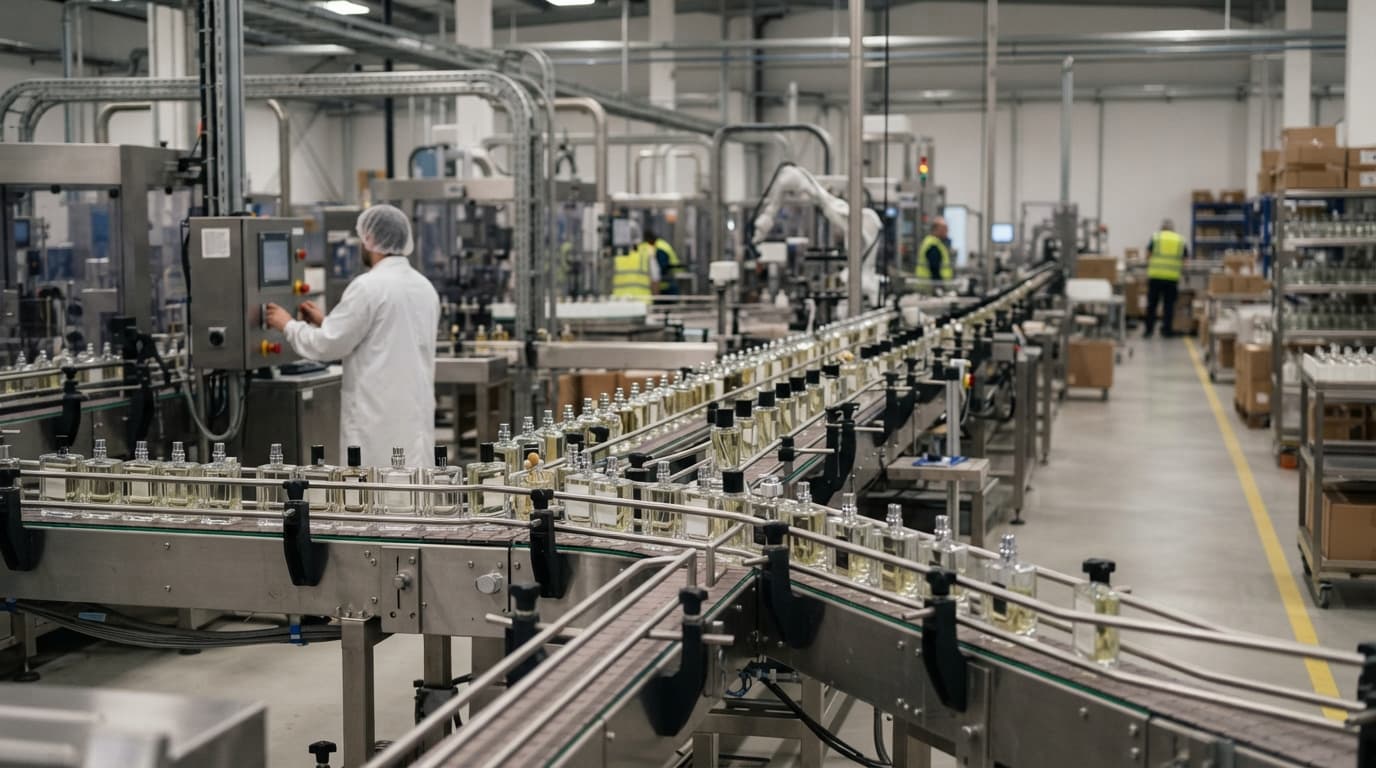
The packaging that wraps a bottle of perfume has quietly become a battleground for sustainability credentials, brand storytelling, and manufacturing margins. A new market research report from Future Market Insights (FMI) puts the global perfume packaging industry on track to hit USD 3.74 billion in value over the coming decade, a forecast that signals steady expansion in a niche corner of the packaging sector that rarely draws headlines on its own.
Why Fragrance Packaging Is Suddenly a Growth Story
Fragrance has historically been treated as a discretionary purchase, but consumer behaviour over the past several years has told a different story. Shoppers across income brackets have continued buying perfume even as they trimmed spending elsewhere, treating scent as an affordable form of self-indulgence during periods of economic uncertainty.
That resilience has fed directly into packaging demand, since every unit sold requires a bottle, cap, box, and often a secondary carton or gift sleeve. Packaging suppliers serving the beauty and personal care sector have benefited from this steady unit growth, even when overall retail spending has been uneven.
The FMI forecast, spanning 2026 through 2036, suggests this is not a short-term bounce but a structural trend. Longer-duration market reports of this kind typically reflect underlying shifts in manufacturing capacity, material sourcing, and retail distribution rather than a single seasonal spike.
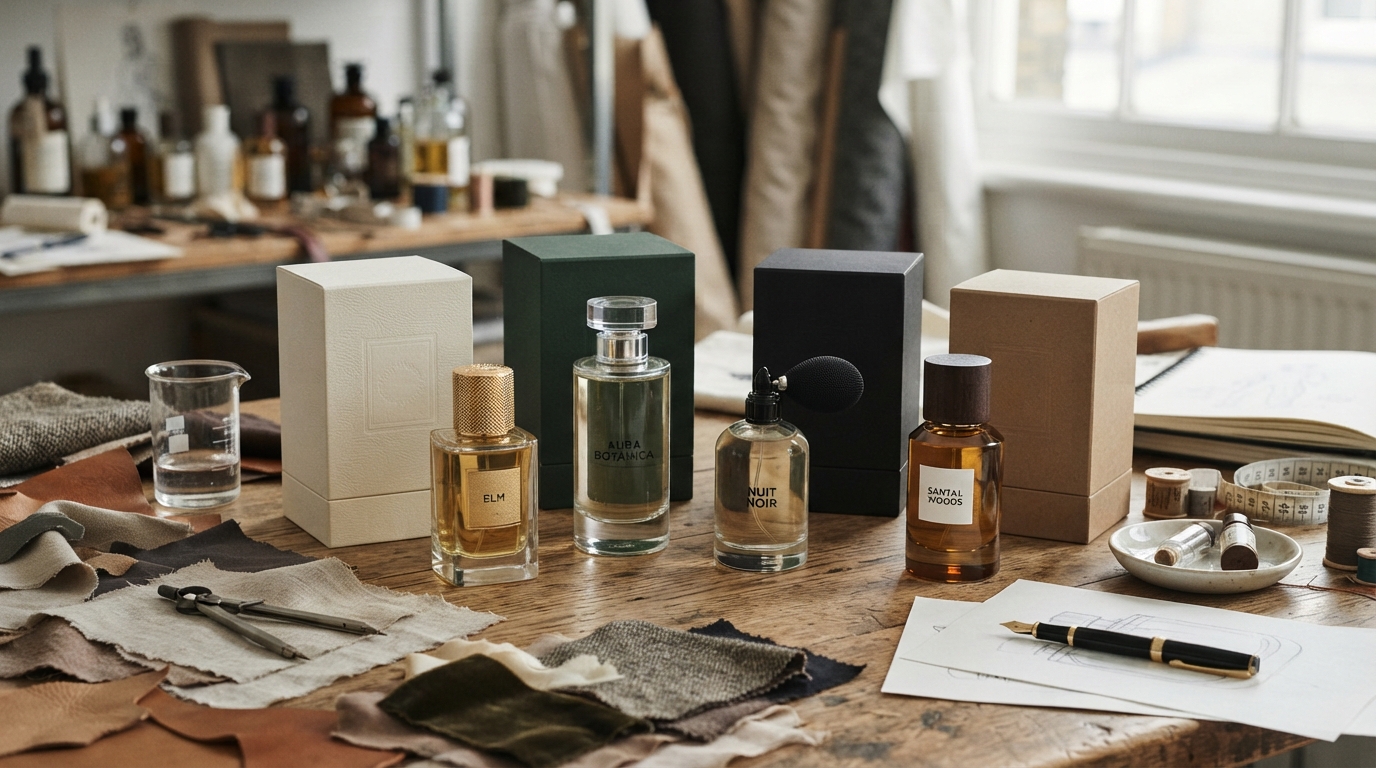
Premiumization is a second force at work. Niche and designer fragrance houses have leaned into elaborate glass work, metallic finishes, and collectible packaging as a way to justify higher price points, and that design intensity translates into more complex, higher-value packaging orders for manufacturers.
Perfume Bottles Become Packaging's Next Growth Bet
Sustainability Pressure Is Reshaping Materials
Glass has long dominated perfume bottle manufacturing because of its perceived luxury and inertness, but sustainability regulation and consumer expectation are pushing brands to reconsider every material choice. Refillable bottle systems, lighter-weight glass, and recycled-content packaging have moved from niche marketing claims to mainstream expectations among younger buyers.
Regulatory bodies in multiple regions have also tightened rules around packaging waste and extended producer responsibility, adding compliance costs that packaging suppliers must absorb or pass through to fragrance brands. Organisations focused on circular economy principles, including the Ellen MacArthur Foundation, have pushed consumer goods sectors broadly to rethink single-use packaging formats, and perfume is not exempt from that scrutiny despite its image as an untouchable luxury category.
Refill formats present a genuine tension for manufacturers. They reduce material consumption per purchase cycle but often require more sophisticated engineering for pumps, seals, and cartridge systems, which can offset some of the cost savings from using less raw material.
What the Numbers Signal for Packaging Suppliers
A market moving toward USD 3.74 billion over a ten-year horizon is not explosive growth in percentage terms compared with sectors like electric vehicle batteries or semiconductor packaging, but it represents dependable, low-volatility demand that many contract packaging manufacturers actively seek. Fragrance packaging tends to carry higher margins than commodity packaging categories such as food containers, because design complexity and brand exclusivity command premium pricing.
Suppliers positioned to serve both mass-market and prestige fragrance brands stand to benefit most, since the two segments are growing through different but complementary channels. Mass-market growth is coming from expanding middle-class consumption in emerging economies, while prestige growth is coming from limited-edition releases and celebrity-branded lines in mature markets.
The broader packaging industry has also seen consolidation activity as private equity and strategic buyers target specialty manufacturers with proven design capabilities, a pattern visible across adjacent consumer packaged goods sectors. That consolidation trend has parallels in how capital has moved into other asset-heavy niches, echoing dynamics seen when DXD Capital built a storage facility on Nantucket to capture demand in a specialised, underserved property niche rather than competing in a crowded mainstream market.
E-commerce distribution adds another layer of complexity that FMI's report timeframe will likely capture. Perfume sold online requires packaging engineered to survive shipping without leaking or breaking, a requirement that has pushed brands toward reinforced secondary packaging and tamper-evident seals that add cost but reduce returns and damage claims.
The Road Ahead for a Decade-Long Forecast
Ten-year market forecasts inherently carry uncertainty, particularly given how quickly raw material costs, energy prices, and trade policy can shift global manufacturing economics. Glass production is energy-intensive, and any sustained rise in energy costs in major manufacturing hubs could pressure margins across the perfume packaging supply chain regardless of underlying consumer demand.
Currency fluctuations and trade tariffs on glass, plastics, and metal components also represent a variable that could accelerate or dampen the growth curve FMI has projected, since much of the world's specialty glass and cosmetic packaging manufacturing is concentrated in a handful of exporting countries. Brands and their packaging partners will likely watch these input costs closely over the next several reporting cycles.
Consumer preference shifts remain the wildcard with the most upside. If refill and reuse models gain broader traction beyond early-adopter luxury shoppers, packaging suppliers who invested early in refillable systems could capture disproportionate market share as the category matures through the 2026-2036 window that FMI's research covers.
The perfume packaging market's projected climb toward USD 3.74 billion reflects a sector benefiting from durable consumer demand, tightening sustainability expectations, and a widening gap between mass-market and prestige product design. Suppliers that balance cost efficiency with genuine environmental credentials appear best positioned to capture growth through the coming decade, though energy costs and shifting trade policy remain factors that could alter the pace of that expansion.
⭐
Business Spotlight
This article is a premium Business Spotlight feature — an in-depth profile with priority homepage placement. Contact us to be featured.
Stay Ahead of the News
Get the latest business news and company spotlights delivered to your inbox. No spam, unsubscribe any time.