Designer Xishun Tan's Chengdu residential project "Myriad Circles" received a Gold A' Design Award in the Interior Space and Exhibition Design category
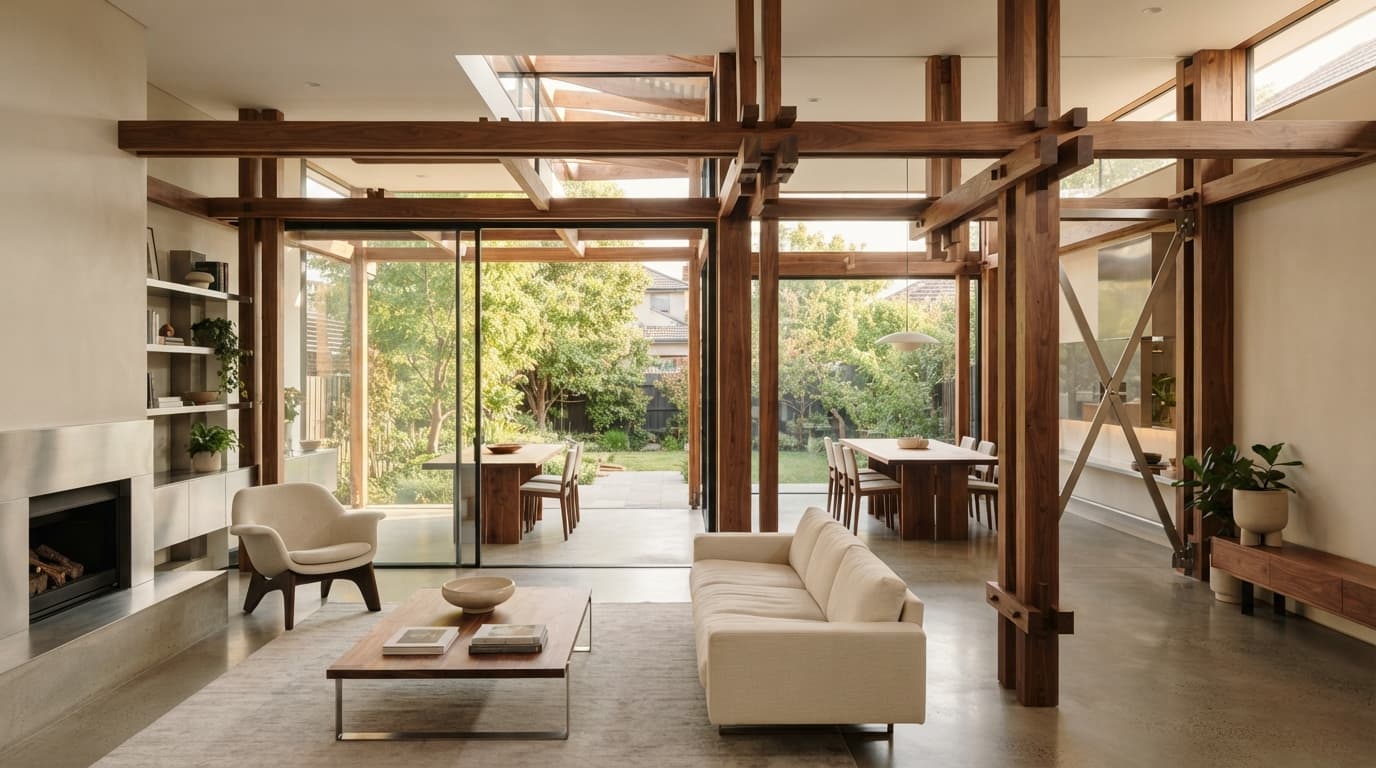
The interior reinterprets traditional Chuandou timber-joinery techniques from Western Sichuan's Linpan architecture using custom American Walnut and a concealed steel frame
The recognition reflects a broader push in China's design and property sector to fold regional building heritage into contemporary urban housing
A residential interior in Chengdu built around a centuries-old Sichuan timber technique has picked up one of interior design's better-known international honors, underscoring a wider industry shift toward heritage-driven residential work in China's fast-changing property market. Designer Xishun Tan's project, Myriad Circles, was named a Gold winner in the Interior Space and Exhibition Design category of the A' Design Award, an Italy-based competition that evaluates entries on criteria ranging from material selection to cultural relevance.
Translating a Regional Building Tradition
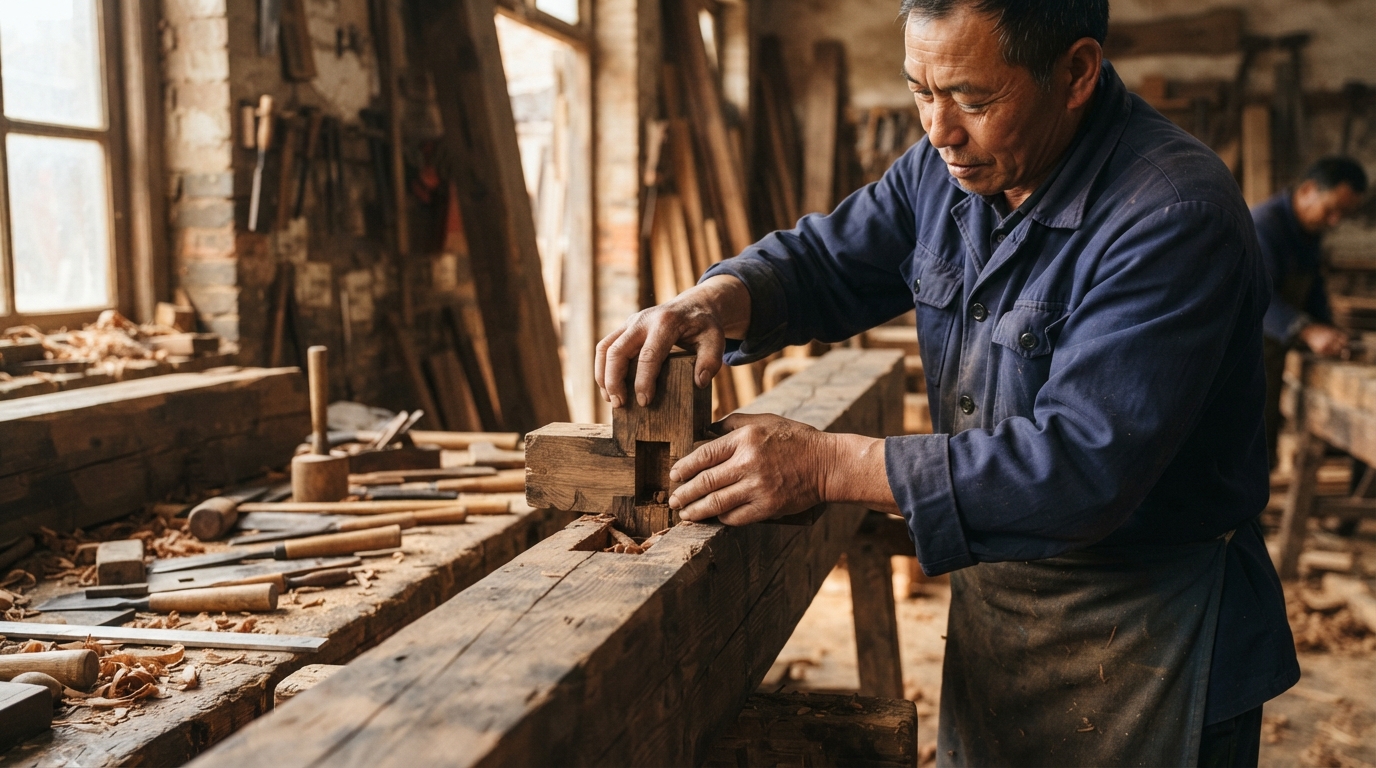
Myriad Circles is rooted in the Linpan settlement pattern of Western Sichuan, a vernacular building system historically associated with rural courtyard clusters rather than urban apartments. The project's core move is translating the region's Chuandou interlocking timber method, traditionally used in load-bearing wooden structures, into a decorative and functional framework for a modern home.
To achieve the visual lightness associated with traditional Chuandou cantilevers while still supporting the weight of a die-cast model collection belonging to the client, the design team embedded a hidden steel skeleton inside custom American Walnut joinery. The result combines walnut, stainless steel and glass within a single structural language, according to the award citation.
The interior is organized around what the designer describes as a "permanent-temporary" framework, arranging living spaces along a gradient from public to private zones. That structural logic is presented as a direct descendant of the social organization found in historic Linpan settlements, rather than a purely decorative reference.
Ancient Sichuan Carpentry Wins Global Design Gold
Why Heritage-Driven Interiors Are Gaining Traction
The project arrives amid growing interest among design practitioners and property developers in interiors that go beyond referencing traditional motifs on the surface. Reproducing joinery systems like Chuandou at a structural level typically demands ethnographic research, material testing and digital fabrication rather than simple ornamentation, which raises both the cost and the skill threshold for this kind of work.
That skill requirement points to a broader challenge facing bespoke interior and construction work internationally: sourcing craftspeople capable of executing highly specific joinery and fabrication techniques. Programs aimed at rebuilding trade pipelines, such as efforts covered in initiatives to retain skilled trades workers, reflect a parallel concern across the wider building industry about maintaining the craftsmanship base such projects rely on.
Vanke, the Chinese urban and rural life-services provider founded in 1984 and listed among the Fortune Global 500, is referenced in connection with the project, though the press materials do not specify its exact role in Myriad Circles. The company's stated focus on quality housing across residential, rental and commercial segments situates it within the same market pushing for more culturally distinctive residential product in Chinese cities.
Myriad Circles now joins the roster of winners published on the A' Design Award site, alongside entries assessed on functional layout, sustainability and cultural relevance. For Xishun Tan, whose practice spans more than two decades of interior and soft-furnishing work, the award adds visibility to a methodology built around decoding vernacular architecture. Whether that approach scales beyond bespoke residential commissions into broader development work remains an open question for China's design and property industries.
Stay Ahead of the News
Get the latest business news and company spotlights delivered to your inbox. No spam, unsubscribe any time.