At a Glance
- Tianjin-based RVYUAN produces single-crystal copper wire at 6N (99.9999%) and 7N (99.99999%) purity using Ohno Continuous Casting
- The technique eliminates grain boundaries that scatter electrons, addressing a persistent quality gap in commercial oxygen-free copper
- The announcement highlights how audio, precision electronics and instrumentation buyers are scrutinizing supply chains beyond purity certificates alone
A Chinese manufacturer's disclosure of its copper-casting methods points to a quieter shift in industrial materials sourcing: buyers of high-performance wire are no longer satisfied with a purity number on a certificate. Tianjin Ruiyuan Electric Material Co., Ltd., trading as RVYUAN, has detailed how it produces 6N and 7N single-crystal copper wire, framing the disclosure as a guide for procurement teams evaluating suppliers in a market where claims are easy to make and hard to verify.
Why Grain Structure, Not Just Purity, Is the New Battleground
Chemical purity has long served as the headline specification for copper wire destined for high-fidelity audio, precision instrumentation and specialty electronics. But according to RVYUAN, a supplier can print "6N" on paperwork while the underlying crystal structure remains broken into thousands of grain boundaries per meter, each one a site where impurities accumulate and signal performance degrades.
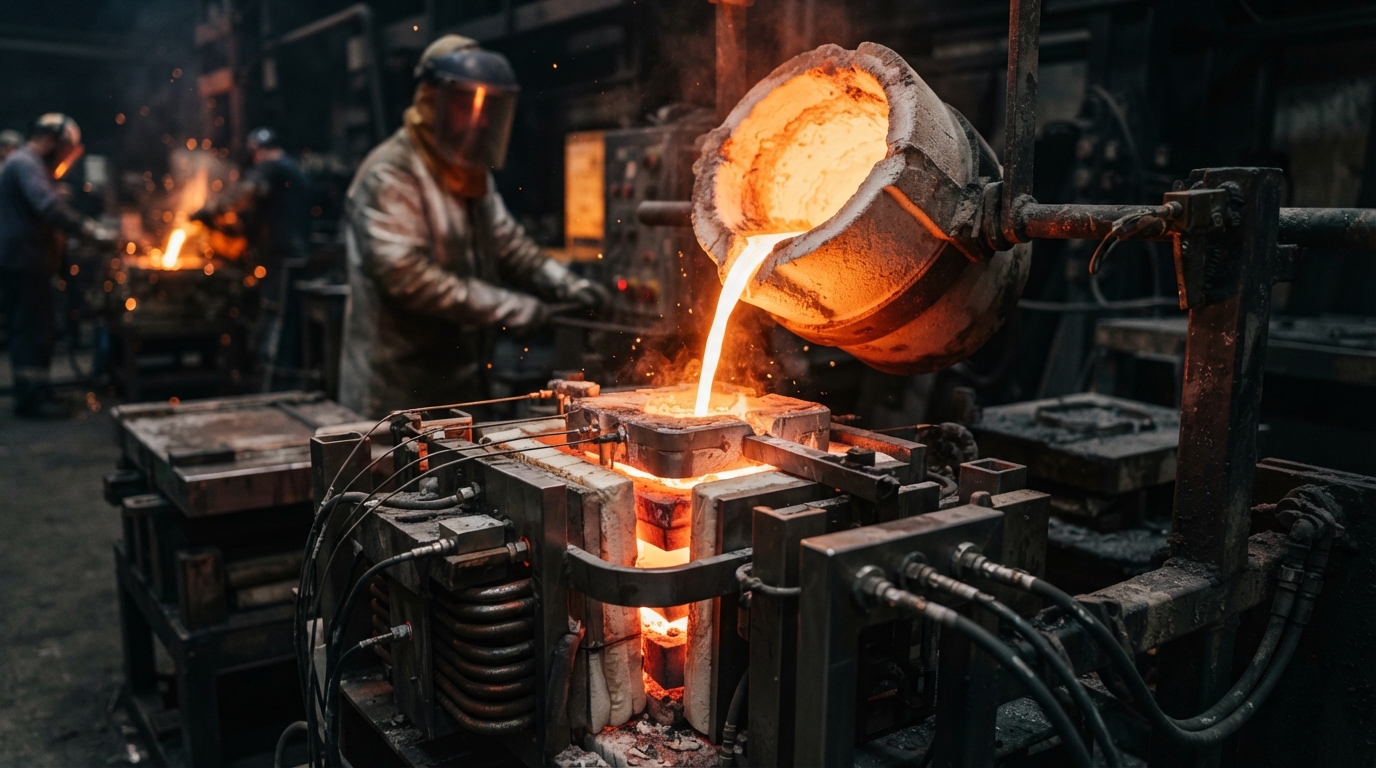
This distinction matters because ordinary ingot casting cools copper against a cold mold, triggering random crystal formation. The Ohno Continuous Casting method the company uses instead relies on a heated mold that forces copper to solidify in a single direction, producing long, ordered crystal grains with minimal internal boundaries.
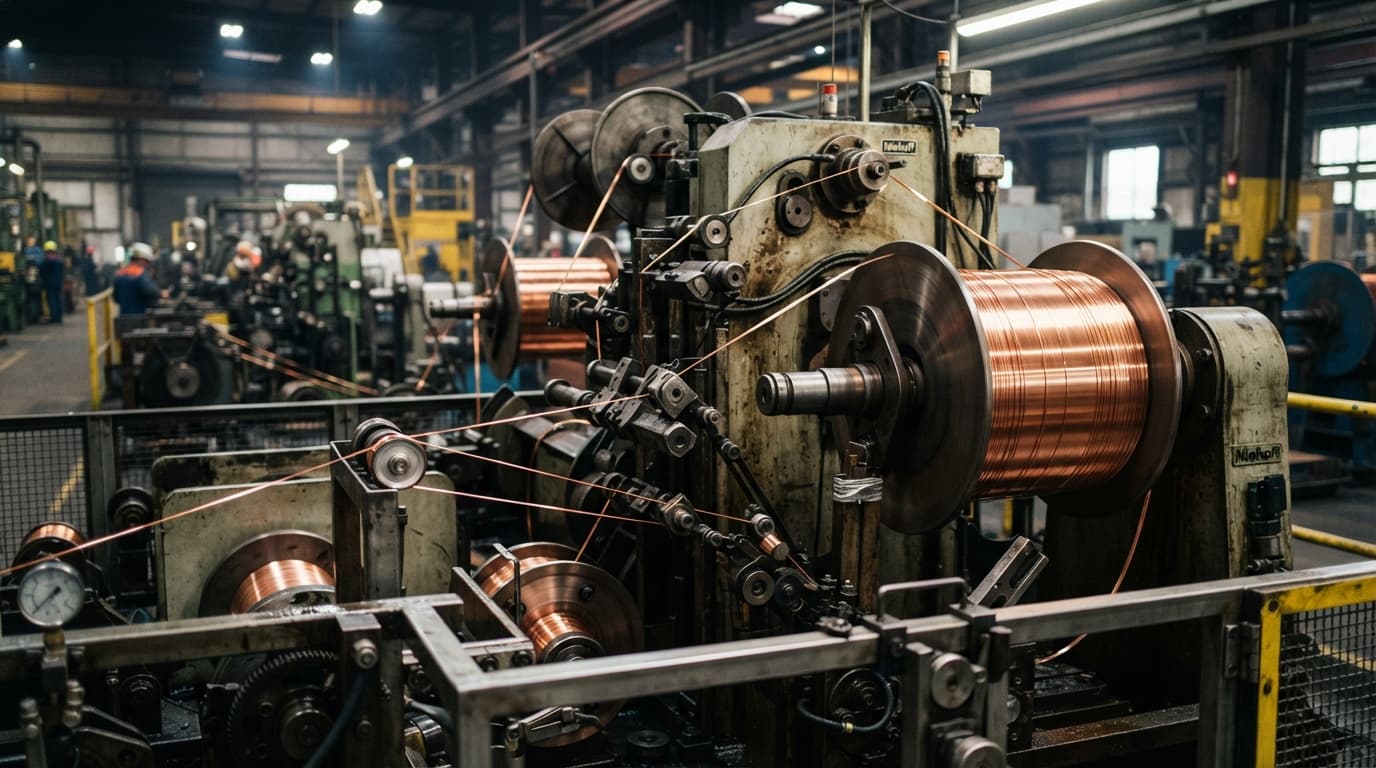
The practical implication for buyers is a shift in the questions asked during supplier audits. Rather than requesting only a chemical assay, procurement teams are increasingly asking whether a facility controls the casting process directly, since resellers of rough stock cannot guarantee the same structural continuity.
RVYUAN says its thermal gradient directional solidification process applies across both its 99.9999% and 99.99999% purity grades, a range that covers most specialty applications from audio cable to transformer windings.