Ambretolide, a synthetic musk used to replace scarce natural ingredients, is drawing renewed investor and industry attention through 2032
Luxury fragrance houses are leaning on the compound as sustainability and animal-welfare concerns push out traditional musk sources
Major aroma-chemical producers are positioning for growth as regulatory scrutiny reshapes ingredient sourcing across the sector
A little-known synthetic musk compound is emerging as a bellwether for how the global fragrance industry is quietly reengineering itself. Ambretolide, long used as a substitute for scarce natural musk ingredients, is now the subject of fresh market forecasts extending through 2032, with analysts pointing to luxury perfumery demand, tightening chemical regulation, and shifting supply chains as the forces reshaping its future.
What Ambretolide Is And Why It Matters Now
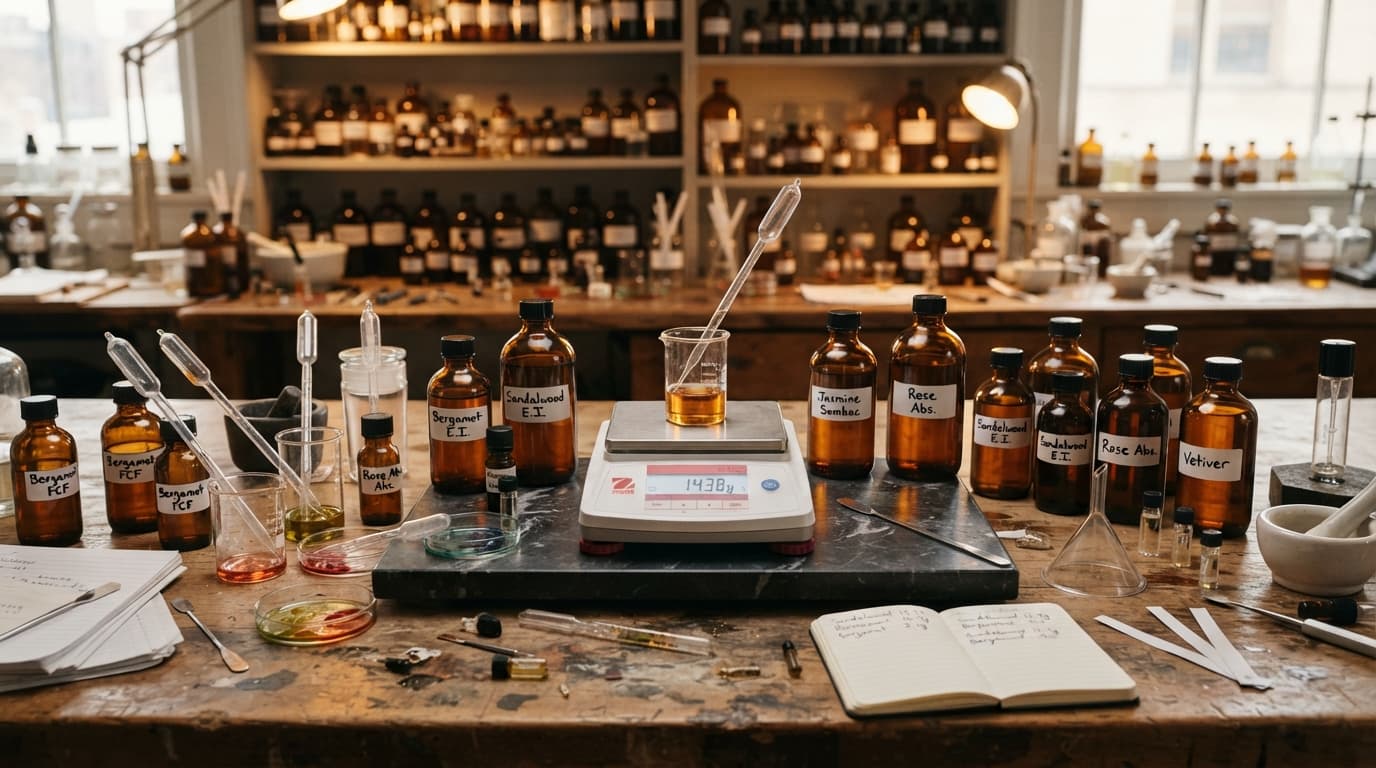
Ambretolide is a synthetic macrocyclic musk originally developed as an alternative to ambrette seed oil and animal-derived musk sources, both of which have become increasingly difficult and costly to obtain. It is prized in perfumery for the same warm, sensual base notes that made natural musk a staple of fine fragrance for centuries, without the sourcing complications attached to endangered species or over-harvested plants.
Demand for such synthetic alternatives has grown steadily as fragrance houses respond to consumer expectations around ethical sourcing. Musk deer, historically a source of natural musk, has been protected under international conservation agreements for decades, effectively forcing the industry toward synthetic and semi-synthetic substitutes.
Luxury perfume brands, which rely on complex, distinctive scent profiles to differentiate premium products, have particular reason to favour a reliable synthetic ingredient. Supply consistency matters enormously when a signature fragrance formula must be reproduced at scale across international markets.
That combination of performance and dependability explains why an obscure aroma chemical is now attracting the kind of market forecasting typically reserved for far larger commodity categories.
Ambretolide Boom Signals Fragrance Industry's Green Pivot
Sustainability And Regulation Reshape Ingredient Sourcing
The fragrance industry has faced years of regulatory tightening around musk ingredients, driven partly by environmental groups and partly by international bodies overseeing chemical safety in cosmetics and personal care products. The International Fragrance Association maintains standards that influence which musk compounds fragrance houses can use and in what concentrations, and those standards have gradually favoured well-characterised synthetic molecules over less predictable natural extracts.
This regulatory backdrop has made traceability a competitive advantage rather than merely a compliance requirement. Fragrance manufacturers that can demonstrate clean, well-documented supply chains for aroma chemicals are better positioned to reassure both regulators and increasingly sustainability-conscious consumers.
Supply chain resilience has become a persistent theme across specialty chemical industries more broadly, echoing concerns that have driven private equity's growing bets on supply chain technology in adjacent manufacturing sectors. Fragrance ingredient sourcing is not immune to the same pressures around traceability, geopolitical disruption, and raw material availability that have reshaped other global supply chains.
Whether ambretolide producers can maintain consistent output while meeting evolving environmental standards will likely determine how much of the forecast growth actually materialises.
Key Players And Competitive Dynamics
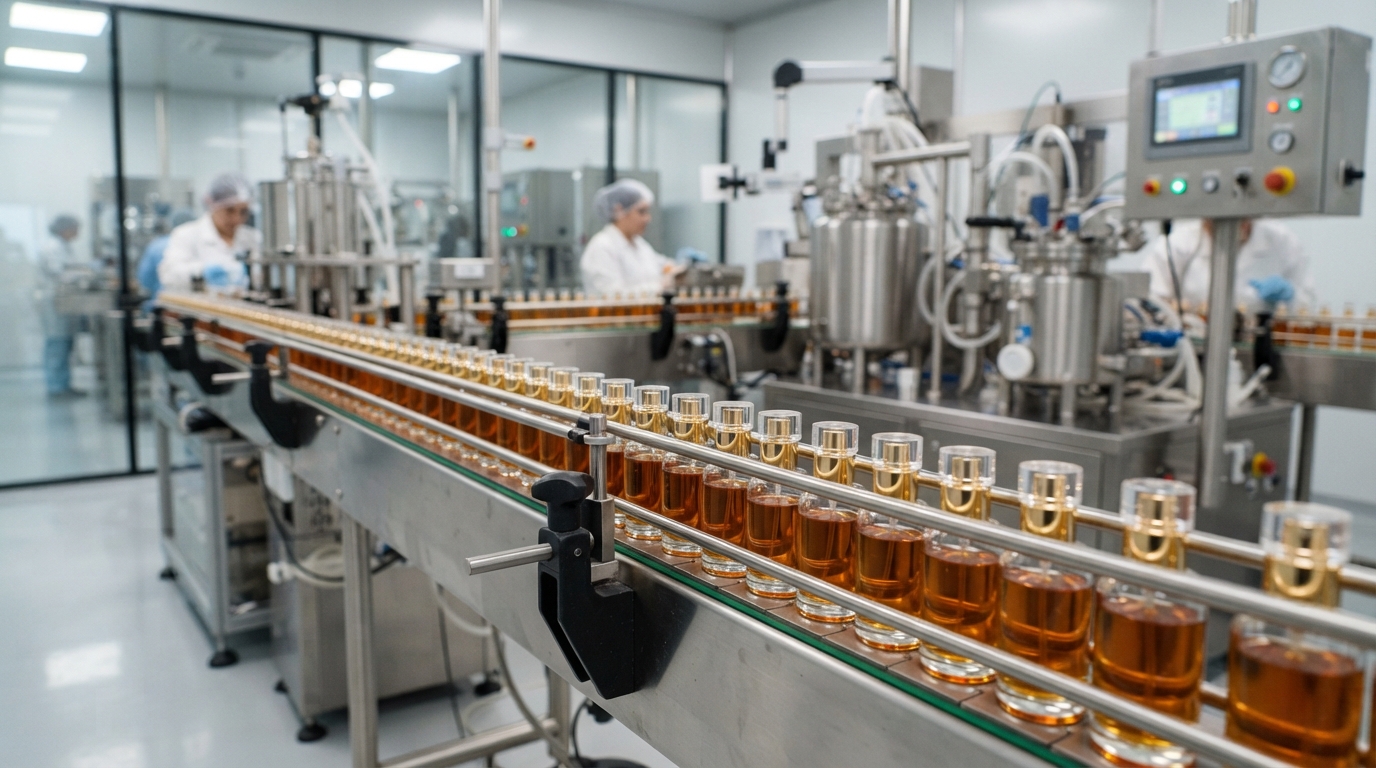
The aroma chemicals space that produces synthetic musks like ambretolide includes a small number of large specialty chemical and flavour-and-fragrance companies with the scale to invest in complex organic synthesis. Firms such as Givaudan, DSM-Firmenich, and Symrise have long histories in musk chemistry and maintain the manufacturing infrastructure needed to produce consistent, high-purity synthetic musks at commercial volumes.
These companies compete not just on price but on the ability to offer proprietary musk molecules with distinctive olfactory characteristics, giving perfumers new tools for formulation. Smaller specialty chemical producers also participate in the space, often focusing on niche or regional markets where large multinationals have less presence.
Competitive dynamics in this segment tend to reward companies that can combine chemical expertise with responsiveness to shifting regulatory and consumer expectations. As luxury brands push suppliers for greater sustainability documentation, ingredient producers with established environmental credentials may find themselves better positioned than newer entrants.
What The Forecast Period Signals
The years leading up to 2032 are likely to test whether synthetic musk producers can scale responsibly while satisfying both regulatory bodies and a luxury consumer base that increasingly asks where ingredients come from. That tension between growth and accountability is not unique to fragrance chemistry; it mirrors broader shifts across consumer goods industries where ingredient transparency has become a marketing and compliance issue simultaneously.
Investors watching this space should treat forecast figures with some caution, given how sensitive niche specialty chemical markets are to shifts in luxury spending, regulatory changes, and raw material costs. Small changes in any of these variables can meaningfully alter demand for a compound used almost exclusively within high-end perfumery formulations.
The broader lesson extends beyond fragrance: specialty ingredient markets, however small in absolute terms, often serve as early indicators of how consumer industries are responding to sustainability pressure and supply chain scrutiny.
Ambretolide's growing prominence reflects a wider recalibration within the fragrance industry, where sustainability concerns, regulatory oversight, and luxury brand demands are converging around a handful of specialty chemicals. Whether the market lives up to forecasts through 2032 will depend less on consumer enthusiasm for luxury scent and more on whether producers can keep pace with tightening environmental and sourcing standards. Industry watchers expect the segment to remain a useful proxy for broader shifts in ethical ingredient sourcing.
⭐
Business Spotlight
This article is a premium Business Spotlight feature — an in-depth profile with priority homepage placement. Contact us to be featured.
Stay Ahead of the News
Get the latest business news and company spotlights delivered to your inbox. No spam, unsubscribe any time.