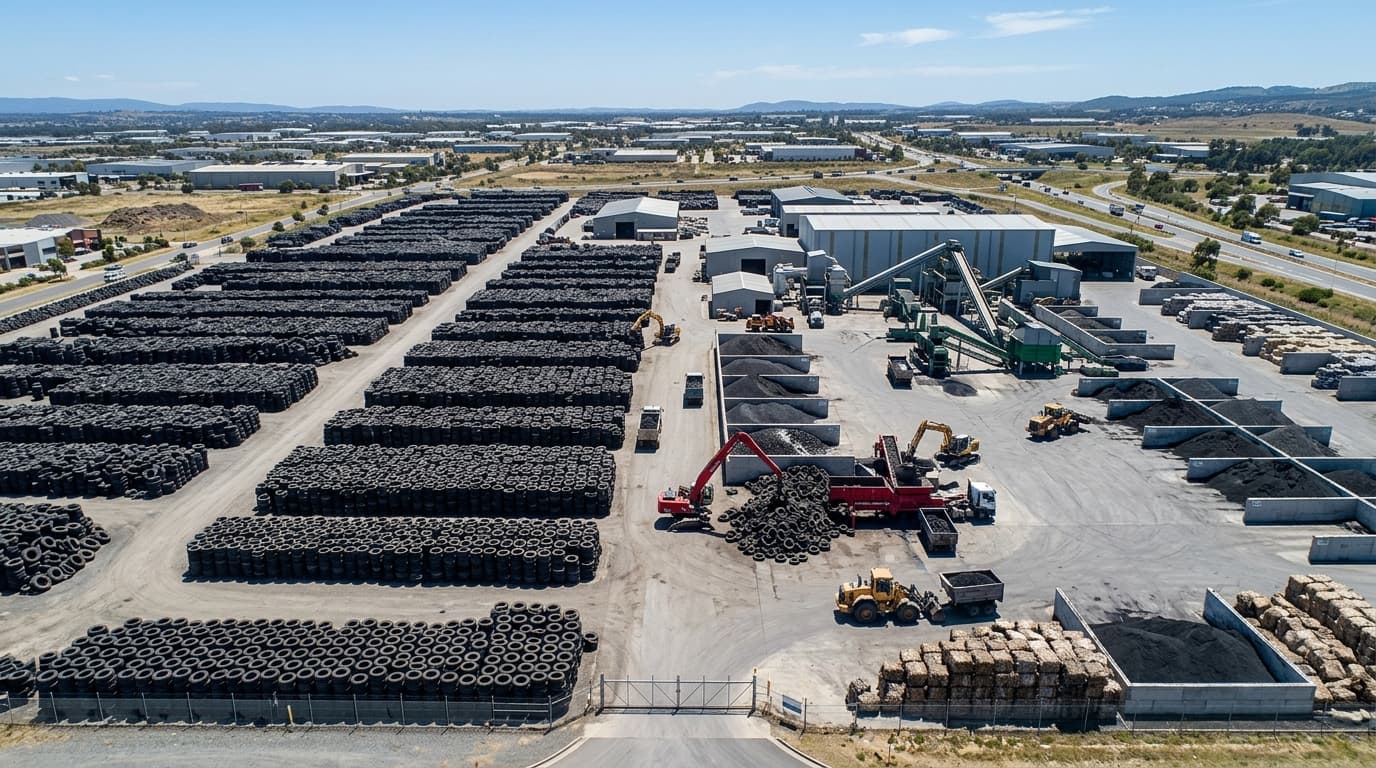
Willig Tire Recycling has significantly increased its processing capabilities by opening a new 20-acre facility in Cincinnati, Ohio. Located at the Rumpke Waste & Recycling site, this expansion brings the company's total annual capacity to more than 10 million tires across its three Ohio locations. This strategic move addresses the growing demand for sustainable disposal solutions in the Midwest. The facility will focus on converting scrap tires into valuable materials for industrial and construction applications.
Scaling Regional Waste Management Infrastructure
The new Cincinnati site represents a major investment in the regional circular economy. By situating the facility at the Rumpke site, Willig Tire Recycling benefits from logistical advantages and a steady stream of incoming materials. This location complements existing operations in Galion and Columbus, creating a triangle of service coverage across the state. The site provides ample space for storage and future growth while serving the greater Cincinnati metropolitan area.
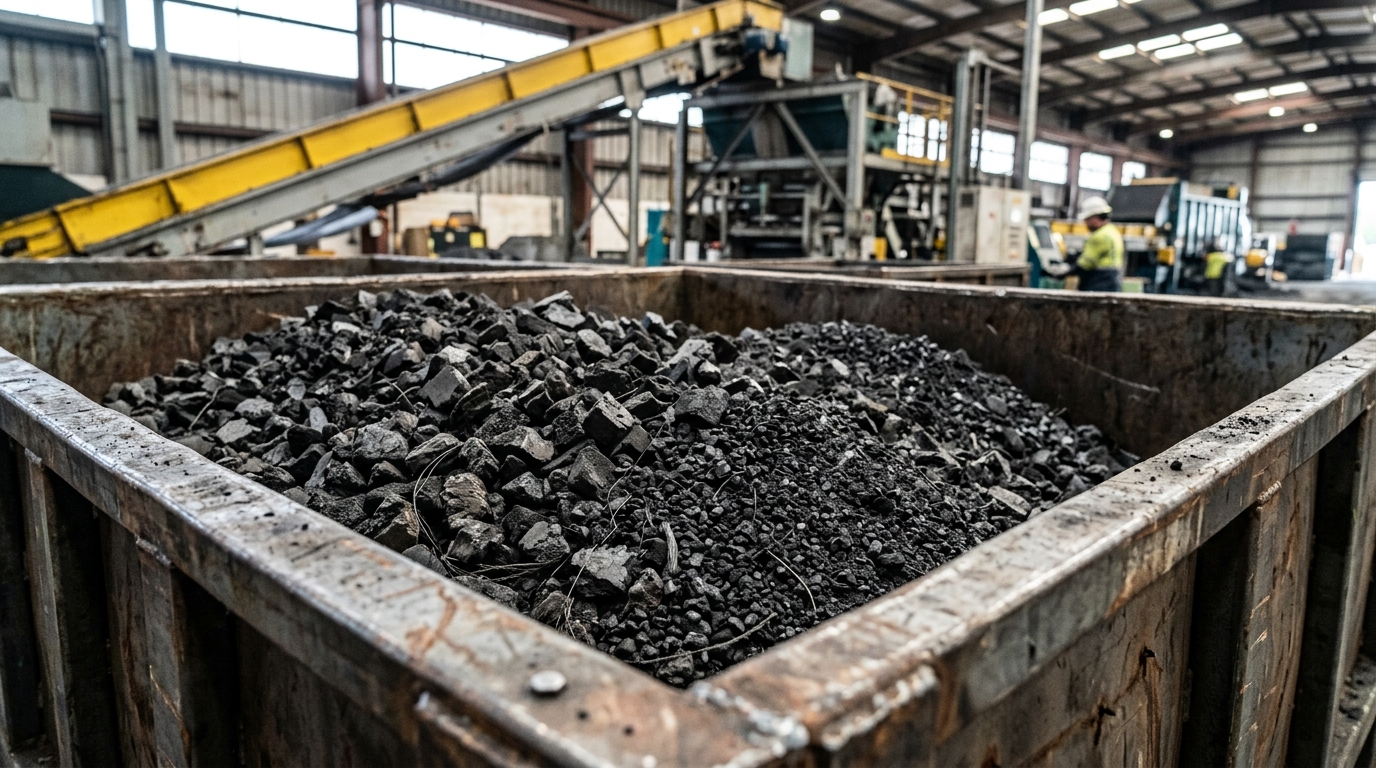
The facility utilizes high-volume processing equipment to handle passenger, truck, and off-the-road tires. These machines break down rubber into various grades of tire-derived fuel and aggregate. The expansion helps prevent illegal dumping and reduces the volume of waste sent to landfills. By processing tires locally, the company reduces the carbon footprint associated with transporting waste over long distances.
State regulators have highlighted the need for increased tire recycling capacity to manage the millions of scrap tires generated annually. This project directly supports Ohio's environmental goals by providing a scalable solution for waste rubber. The company plans to hire additional staff to manage the increased throughput at the Cincinnati location. These new roles will support both the mechanical processing and the logistics of material distribution.
Operations at the new site are expected to run year-round to meet the needs of municipal and private waste haulers. The site design allows for rapid unloading and sorting, which minimizes turnaround times for delivery vehicles. This efficiency is vital for maintaining the flow of materials through the recycling pipeline. Consistent operations ensure that regional partners have a reliable outlet for their scrap tire inventory.
"This expansion is a testament to our team's dedication and our commitment to environmental stewardship. By partnering with Rumpke, we are able to provide a more efficient and sustainable solution for tire disposal in the region."
— David Willig, CEO at Willig Tire Recycling
Willig Tire Recycling Increases Capacity to 10 Million
Material Recovery and Industrial Applications
The processing technology at the Cincinnati plant focuses on creating high-quality end products. Tire-derived fuel (TDF) remains a primary output, serving as a high-energy supplement for cement kilns and paper mills. This product provides a cost-effective alternative to traditional fossil fuels while maintaining strict emissions standards. The consistent energy value of TDF makes it a sought-after resource for heavy industry.
Beyond fuel, the facility produces tire-derived aggregate (TDA) used in civil engineering projects. TDA serves as a lightweight fill material for road embankments, retaining walls, and septic system drain fields. Its vibration-dampening properties make it a preferred choice for light rail construction and other infrastructure needs. This material offers superior drainage characteristics compared to traditional soil or gravel fills.
The company also processes crumb rubber for use in asphalt and playground surfaces. This fine-grade material improves the durability of road surfaces and provides a safer environment for recreational areas. By diversifying its product line, the company ensures a stable market for the recycled rubber it produces. The demand for rubber-modified asphalt continues to grow as municipalities seek longer-lasting pavement solutions.
Quality control measures are integrated into every stage of the shredding and granulation process. Technicians monitor the output to ensure consistency in particle size and purity. These standards ensure that the materials meet the expectations of industrial buyers. The company maintains testing protocols to verify the safety and performance of its crumb rubber products.
The expansion into Cincinnati positions the company as a leader in the Ohio waste management sector. With a combined capacity exceeding 10 million tires, the organization is prepared to handle the regional volume of scrap rubber for the foreseeable future. This partnership with Rumpke marks a new phase of growth and operational efficiency. Looking ahead, the company intends to refine its processing techniques to further increase the value of its recycled products while maintaining its focus on environmental compliance.
Stay Ahead of the News
Get the latest business news and company spotlights delivered to your inbox. No spam, unsubscribe any time.