Manufacturer Yulong Intelligent Sports is expanding supply of electronic dart, archery and shooting arcade machines aimed at commercial venues
Move reflects a wider industry shift as entertainment operators seek activities that cannot be replicated on home consoles or smartphones
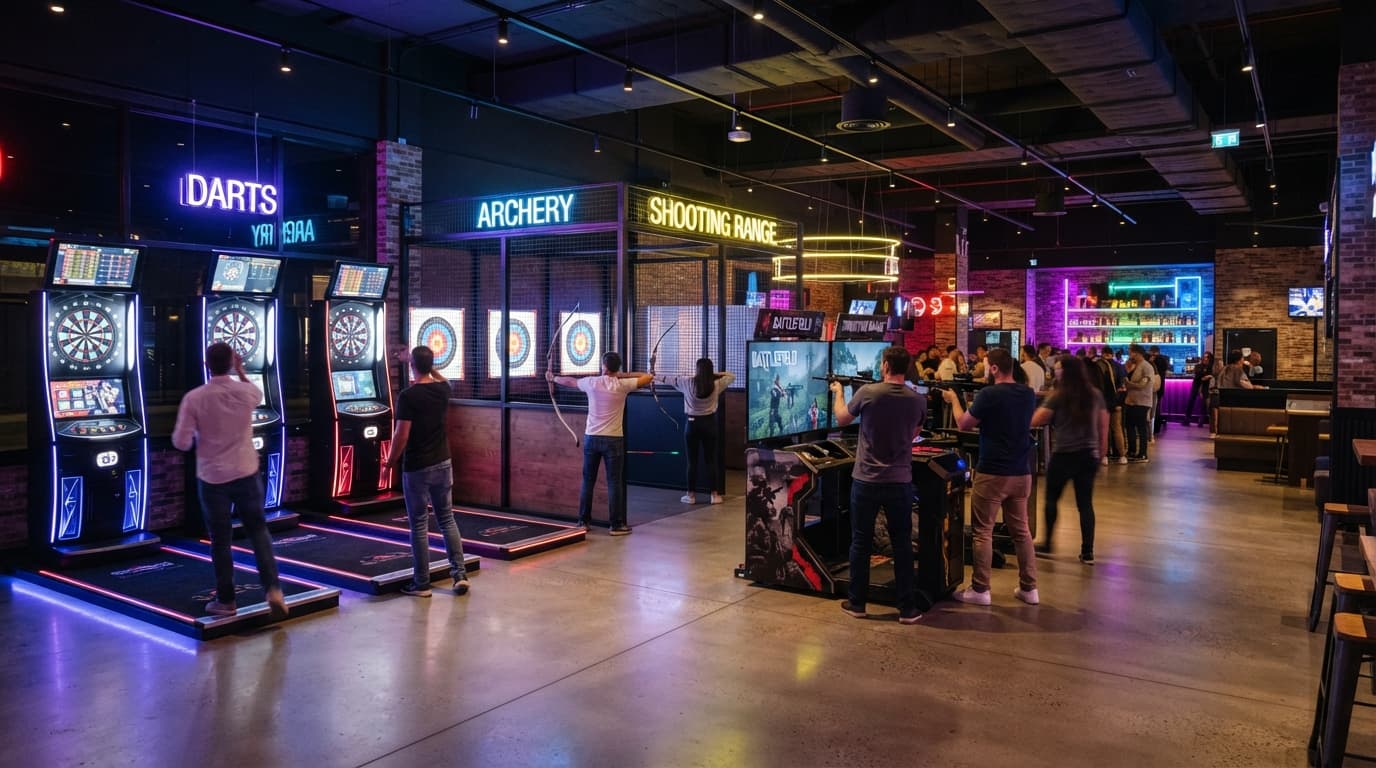
Equipment spans wall-mounted and freestanding formats, targeting bars, malls, family entertainment centers and tourist attractions
Commercial entertainment operators are under growing pressure to justify why customers should leave their living rooms, and equipment makers are responding with a fresh push into physical, skill-based arcade games. Yulong Intelligent Sports Co., Ltd, a manufacturer of commercial arcade sports machines, has outlined an expanded lineup of electronic dart machines, interactive archery machines and shooting game machines designed specifically for venues competing against ever-more-sophisticated home entertainment options.
The Home-Entertainment Squeeze
The core problem facing family entertainment centers, malls, arcades, bars and sports centers is not new, but it has intensified. Streaming platforms, home consoles and mobile gaming apps now offer production values and convenience that many venues cannot easily match on price or accessibility.
What those platforms cannot replicate is physical presence: the feel of drawing a bow, throwing a dart or aiming at a moving target in front of friends. Yulong's positioning leans directly into that gap, framing its machines around participation, immediate scoring feedback and group competition rather than passive screen time.
This is consistent with a broader pattern across leisure retail, where operators of shopping centers and mixed-use venues increasingly treat activity zones as a way to extend visit duration and encourage repeat footfall, rather than relying solely on retail tenancy income.
Arcades Bet on Physical Play to Beat Home Screens
Format Flexibility for Different Venue Types
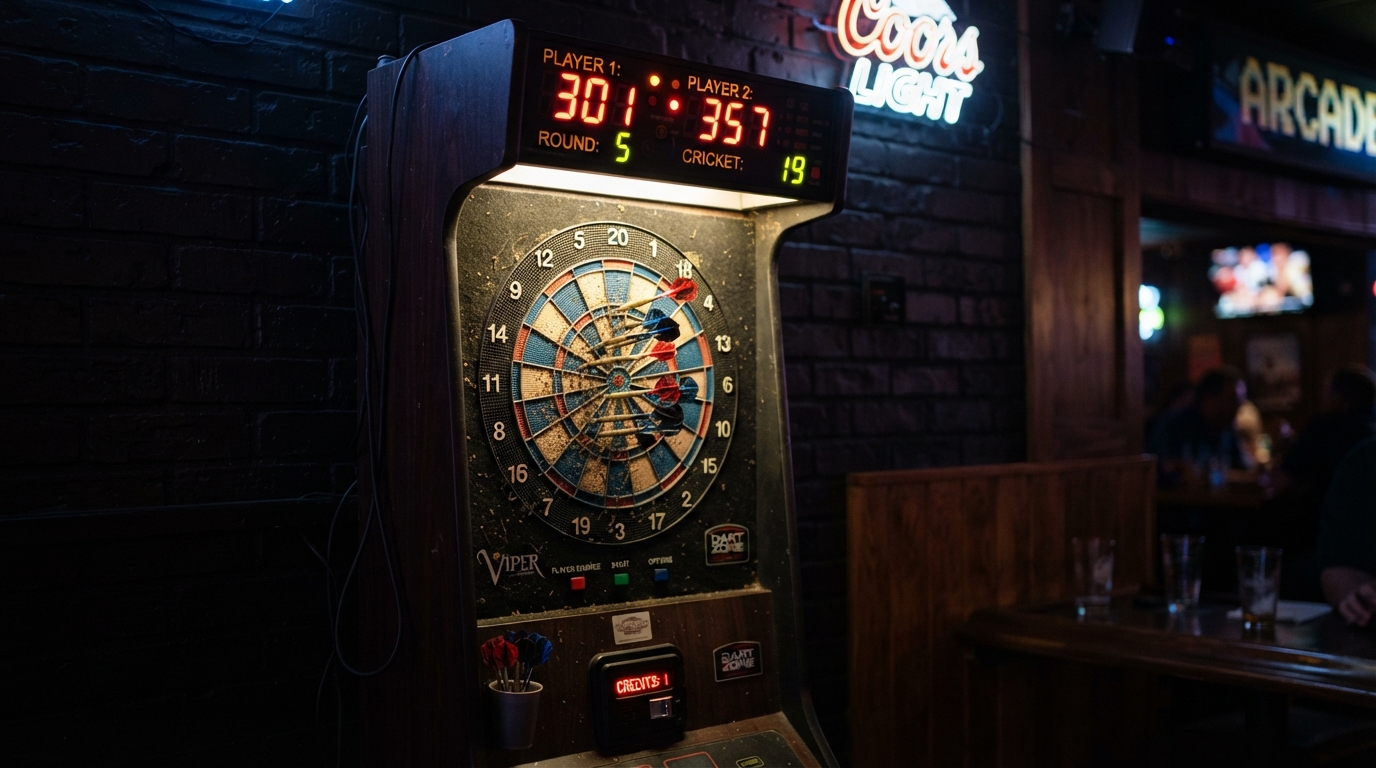
Yulong's electronic dart machines are offered in both wall-mounted and freestanding versions, a distinction that matters for operators balancing floor space against visual impact. Compact wall units suit bars, billiard halls and smaller arcades, while larger vertical machines are pitched as focal points in bigger entertainment centers.
The archery machines are aimed at a wider range of settings, including indoor amusement parks, shopping mall activity zones, tourist attractions and team-building venues, with adjustable difficulty intended to serve both casual visitors and more competitive players. Shooting game machines follow a similar multiplayer logic, designed to let groups challenge each other and compare scores during busy periods.
Taken together, the three categories are also presented as components that can be combined into a single interactive zone, an approach that mirrors how operators elsewhere have bundled equipment such as factory-scale product innovations across other consumer-facing industries to differentiate physical spaces from digital alternatives.
The emphasis on darts, archery and shooting as a coordinated equipment set signals where equipment manufacturers see demand concentrating: not in single standout attractions, but in configurable activity clusters that operators can scale up or down depending on venue size and footfall patterns. For entertainment center operators, that flexibility is likely to matter more than any single machine's novelty, particularly as capital budgets for physical upgrades remain under scrutiny across the leisure sector. Whether this translates into measurable gains in visitor spending will depend on execution at the venue level, but the direction of investment points to physical, skill-based play holding a defensible niche against home entertainment for the foreseeable future.
Stay Ahead of the News
Get the latest business news and company spotlights delivered to your inbox. No spam, unsubscribe any time.