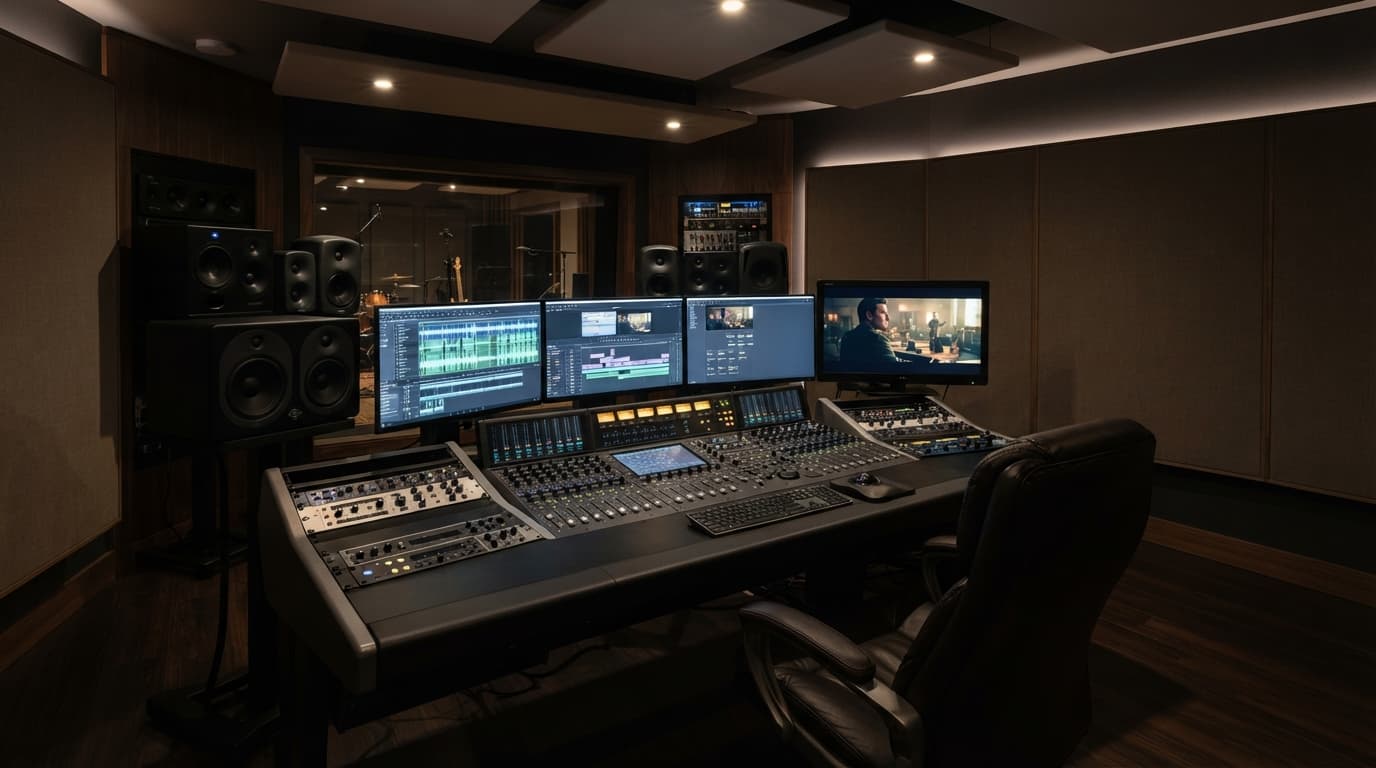
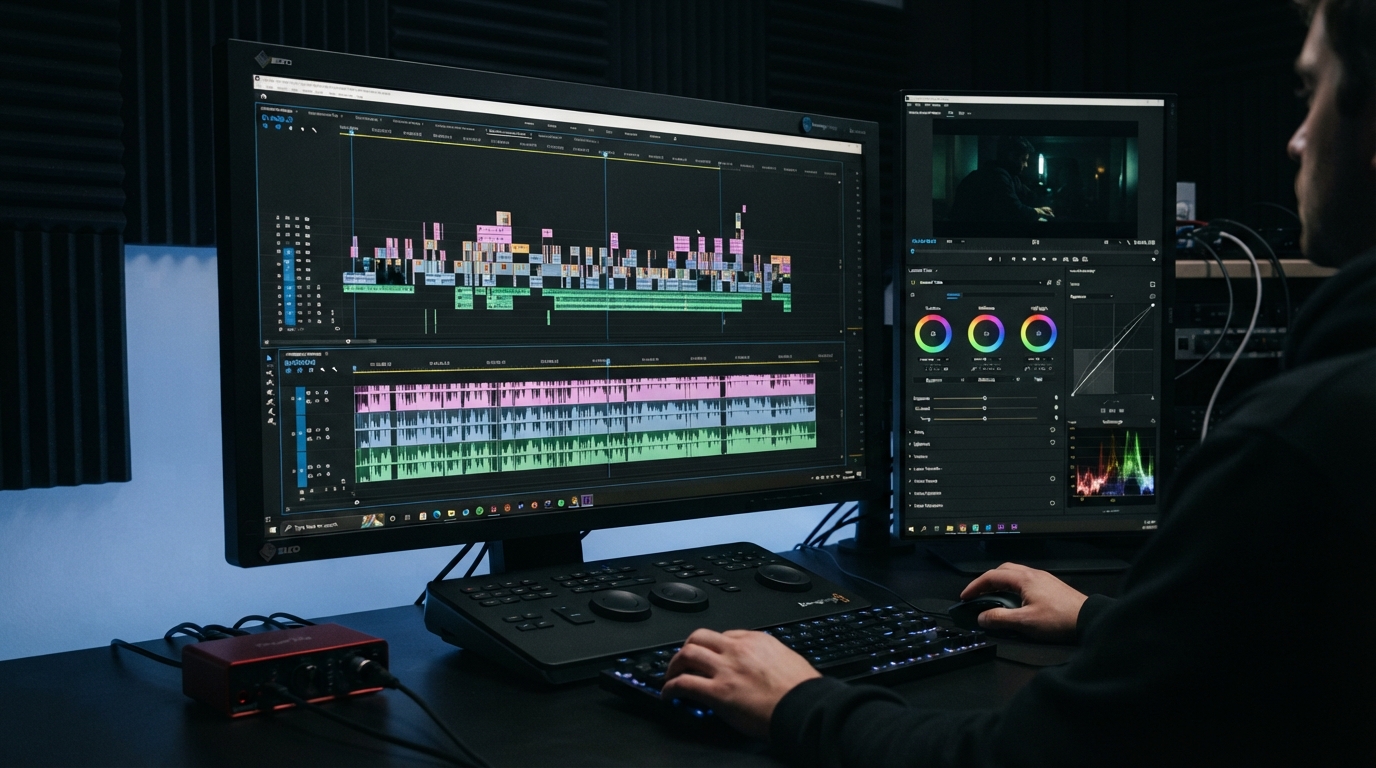
Jukebox Studios in West London now offers post-production services alongside recording, covering audio mastering, video editing, colour grading and social clips
The move reflects a wider shift among independent creators and brands toward consolidating production workflows under one provider
Post-production, long treated as a secondary step, is increasingly seen as decisive for how finished audio and video content performs across platforms
A West London recording facility has expanded into full post-production services, a move that signals how independent creators and small brands are increasingly seeking to compress their entire content pipeline into a single studio relationship rather than juggling multiple vendors after recording wraps. Jukebox Studios says the addition reflects demand from musicians, podcasters and digital creators who need recorded material turned into finished, platform-ready output without handing it off elsewhere.
Why Post-Production Has Become a Bottleneck
For years, recording was treated as the hard part of content creation, with editing and finishing viewed as a straightforward follow-on task. That assumption has eroded as the volume of platforms, formats and audience expectations has multiplied.
A podcast episode today is rarely just an audio file. It typically needs synchronised multi-camera footage, graphics, structured chapters and a set of short clips designed specifically for social feeds, each with different aspect ratios and pacing requirements.
Jukebox Studios says its post-production offering covers audio editing and mastering, video editing, colour grading, graphics work, episode formatting and the creation of social media clips from longer recordings. Musicians, the company notes, can use the same services to move tracks from a raw studio session through mixing and mastering to release-ready files.
Studios Bundle Post-Production as Creators Cut Costs
The Business Logic of Bundling Services
From a commercial standpoint, bundling post-production with recording is a logical response to how fragmented the creator economy has become. Independent podcasters and solo musicians often lack the budget to retain separate editors, colourists and social media specialists, and coordinating freelancers across time zones and software formats introduces delays and inconsistency.
By keeping the full process inside one facility, a studio can promise consistency between what was captured on the day and what the audience eventually sees or hears. That matters most for brands and businesses producing interviews or branded podcasts, where tone and visual presentation need to match the rest of their output rather than varying from one episode to the next.
This pattern mirrors broader consolidation trends across service-based industries, where smaller operators increasingly compete not on a single capability but on how much of a client's workflow they can absorb. It is a dynamic also visible in sectors wrestling with how new technology reshapes trust and process, a theme examined in reporting on the trust gap slowing AI autonomy adoption more broadly.
The expansion into post-production places Jukebox Studios alongside a growing number of facilities repositioning themselves as full-service partners rather than rental spaces for recording time alone. As more creators and small businesses treat podcasts and video as core marketing output rather than side projects, demand for studios that can carry a project from first take to final published clip is likely to keep rising, particularly in competitive urban markets where client time and budget are both limited.
Stay Ahead of the News
Get the latest business news and company spotlights delivered to your inbox. No spam, unsubscribe any time.