Vending Media Inc. has introduced a program letting operators earn from both product sales and digital screen advertising
The company also offers location placement support, connecting operators with offices, gyms, hotels and other high-traffic indoor sites
The service is available across the United States and Canada, targeting both new and existing vending operators
A New York-based company is betting that the humble vending machine can double as a small-scale advertising billboard. Vending Media Inc. has launched a program that pairs traditional product sales with digital screen advertising and site placement assistance, positioning vending machines as revenue-generating assets beyond snacks and drinks.
How the Dual-Revenue Model Works
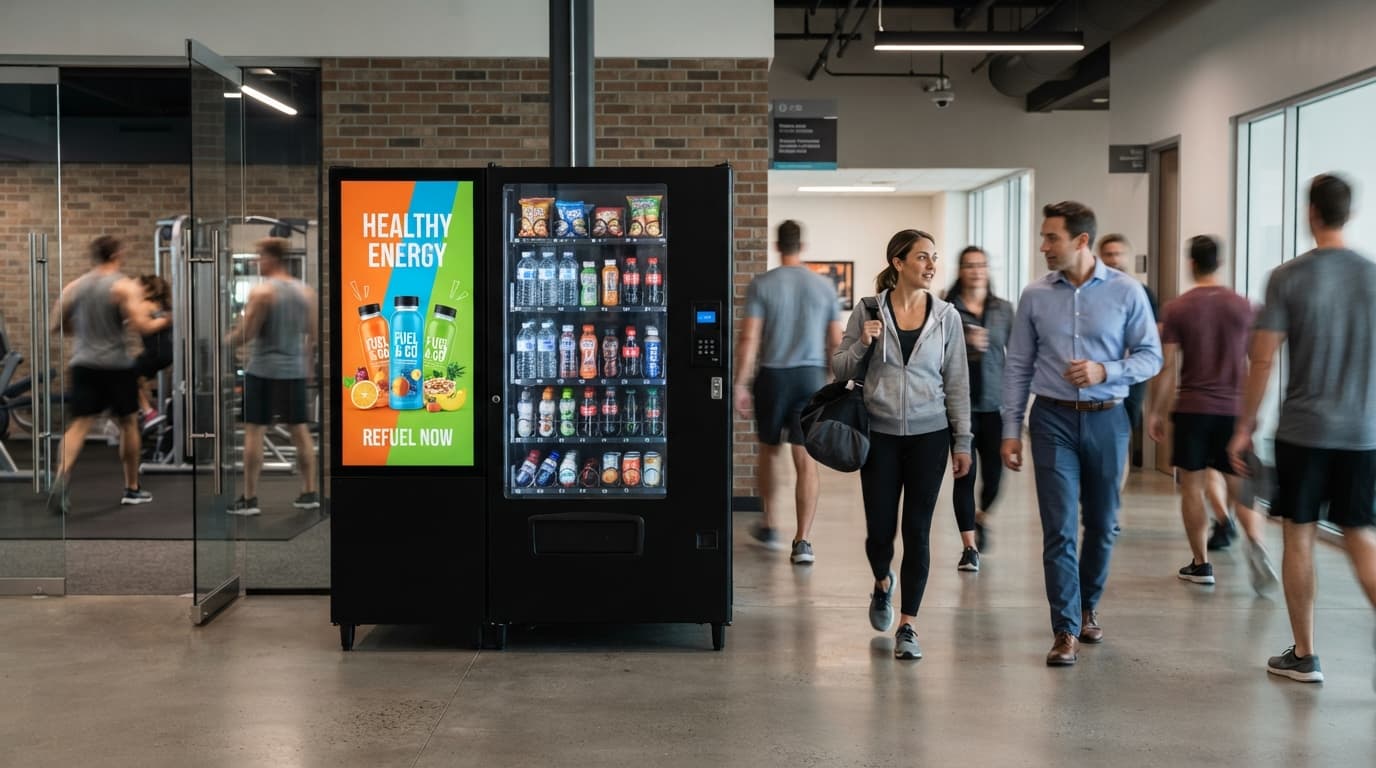
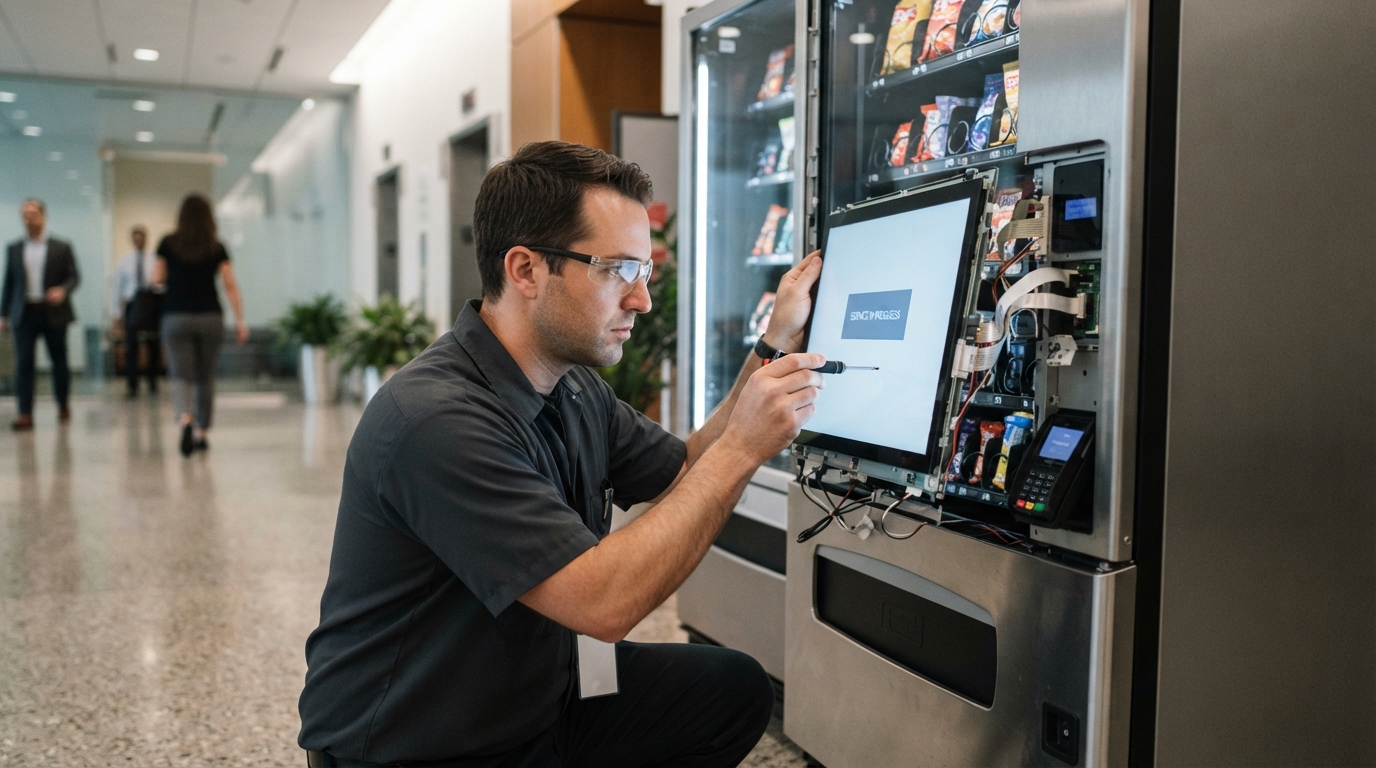
The program centers on vending machines equipped with digital screens capable of displaying image or video advertisements from local and national businesses. Operators can earn income both from items sold at the machine and from ad space sold on the accompanying screen, creating two separate income streams from a single unit.
Advertising content can include promotional videos, static graphics, limited-time offers, and QR codes linking to websites, forms, or campaign landing pages. The company says its platform is built to accommodate small businesses and local service providers alongside larger brands, with content formatted as either static images or short video clips depending on the location and campaign.
Operators retain flexibility to add QR codes and lead-capture forms when advertisers require campaign tracking, though this depends on the specific service tier selected. That optionality suggests the company is trying to serve a range of advertiser budgets, from small local businesses running simple static ads to brands wanting measurable, trackable campaigns.
Vending Machines Get a Second Revenue Stream
Solving the Site Selection Problem
Beyond the advertising layer, Vending Media provides location placement assistance, a service aimed at one of the more persistent obstacles facing vending operators: finding suitable, high-traffic sites. The company evaluates potential locations and works to connect operators with offices, gyms, residential buildings, hotels, schools, and retail centers.
Site acquisition has long been a bottleneck for independent vending operators, who often lack the relationships or negotiating leverage that larger vending networks use to secure premium indoor spaces. By folding placement support into the same package as machine customization and advertising management, Vending Media is effectively packaging several separate services that operators would otherwise need to source independently.
This kind of bundling mirrors a broader shift in physical retail technology, where hardware providers increasingly pair equipment sales with software, data, and logistics support rather than selling machines as standalone products. The approach echoes trends seen in other sectors where investment in supply chain technology has favored companies offering integrated services over single-function tools.
What the Dual Model Signals for Automated Retail
The vending industry has faced a slow but steady technology upgrade cycle, with cashless payment and remote monitoring becoming standard features over the past decade. Adding screen advertising as a built-in revenue layer extends that trajectory, treating the vending machine less as a static dispenser and more as a small digital touchpoint in physical spaces where people already gather.
For advertisers, the appeal lies in proximity: reaching consumers at or near the point of purchase, in locations such as gyms, offices, or hotel lobbies where foot traffic is repetitive and predictable. Whether this translates into meaningful ad revenue for operators will depend on factors the announcement does not address, including pricing structures, minimum ad commitments, and how much screen real estate advertisers are willing to pay for on a relatively small, single-purpose device.
The dual-revenue framing also signals how vending operators, often small businesses or individual entrepreneurs, are being pitched a hedge against the traditionally thin margins of product-based vending. If advertising revenue proves reliable, it could reduce operators' dependence on sales volume alone, though the model's success will ultimately hinge on advertiser demand for this format at scale.
Vending Media's launch reflects a broader effort to make physical vending infrastructure earn its keep in more than one way, combining product sales, screen advertising, and placement logistics into a single offering for operators across the United States and Canada. Whether the model gains traction will likely depend on advertiser uptake and how effectively the company can match its machines with genuinely high-traffic locations. More details are available through Vending Media Inc.
Stay Ahead of the News
Get the latest business news and company spotlights delivered to your inbox. No spam, unsubscribe any time.