At a Glance
- New facility opens in Myeongdong to serve international tourists.
- Multilingual staff and on-site tax refunds simplify the experience.
- Treatments are designed for minimal downtime during travel.
SEOUL, South Korea — A new medical aesthetic facility has opened in the heart of the Myeongdong shopping district, targeting the growing influx of international visitors seeking rapid cosmetic procedures. The facility aims to integrate medical tourism directly into the traditional retail experience by offering high-speed skin treatments and aesthetic enhancements. As South Korea continues to dominate the global beauty market, this strategic expansion addresses the demand for accessible, professional care that fits into a standard tourist itinerary.
Expanding Access in Retail Districts
Myeongdong remains one of the most visited areas in Seoul, known for its high concentration of retail stores and street food. The new PPEUM Clinic location occupies a multi-story space designed to handle high patient volumes while maintaining clinical standards. This placement allows travelers to transition from shopping to aesthetic care without leaving the primary commercial zone.
Data from the Korea Tourism Organization indicates that medical tourism is a significant driver of foreign exchange. By positioning clinics in high-traffic zones, operators reduce the barriers for first-time visitors. The facility provides services that require minimal recovery time, ensuring that patients can resume their travel activities immediately after their appointments.
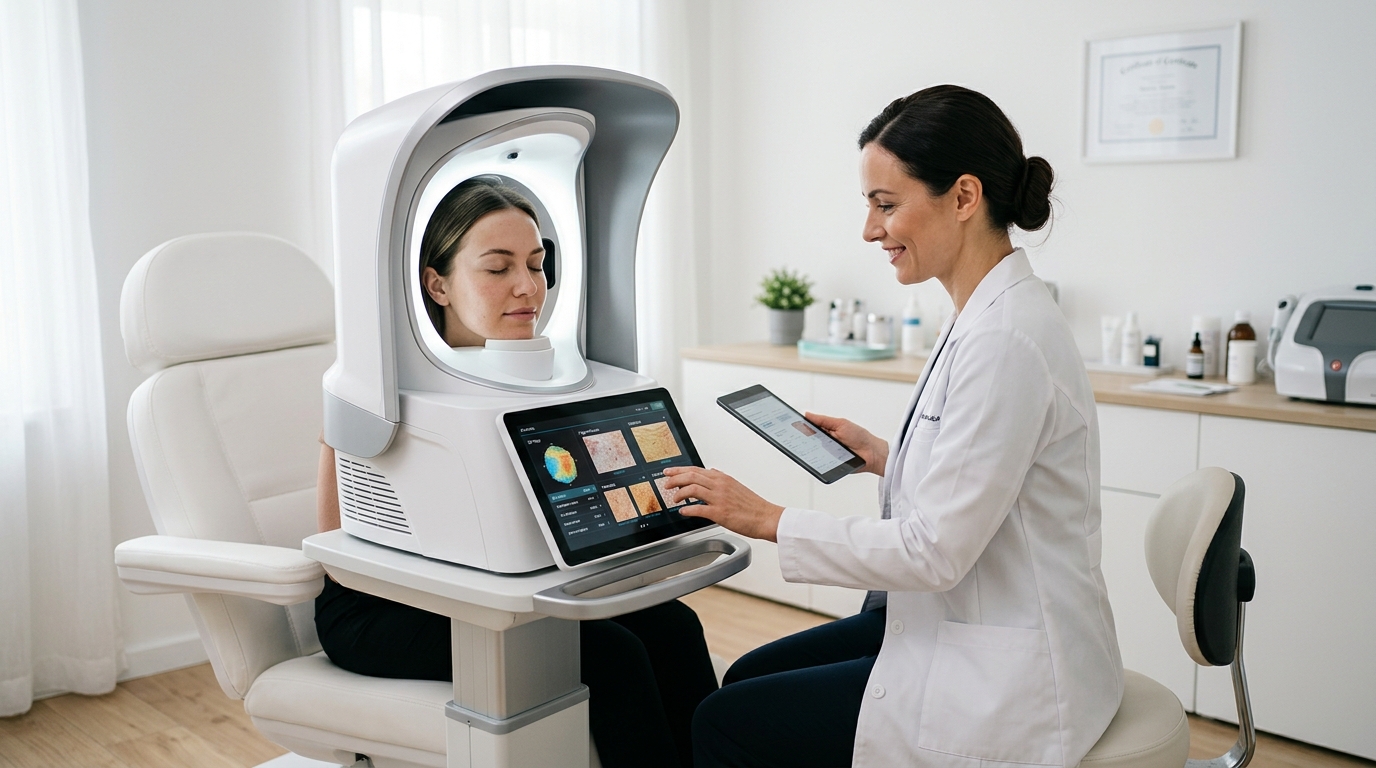
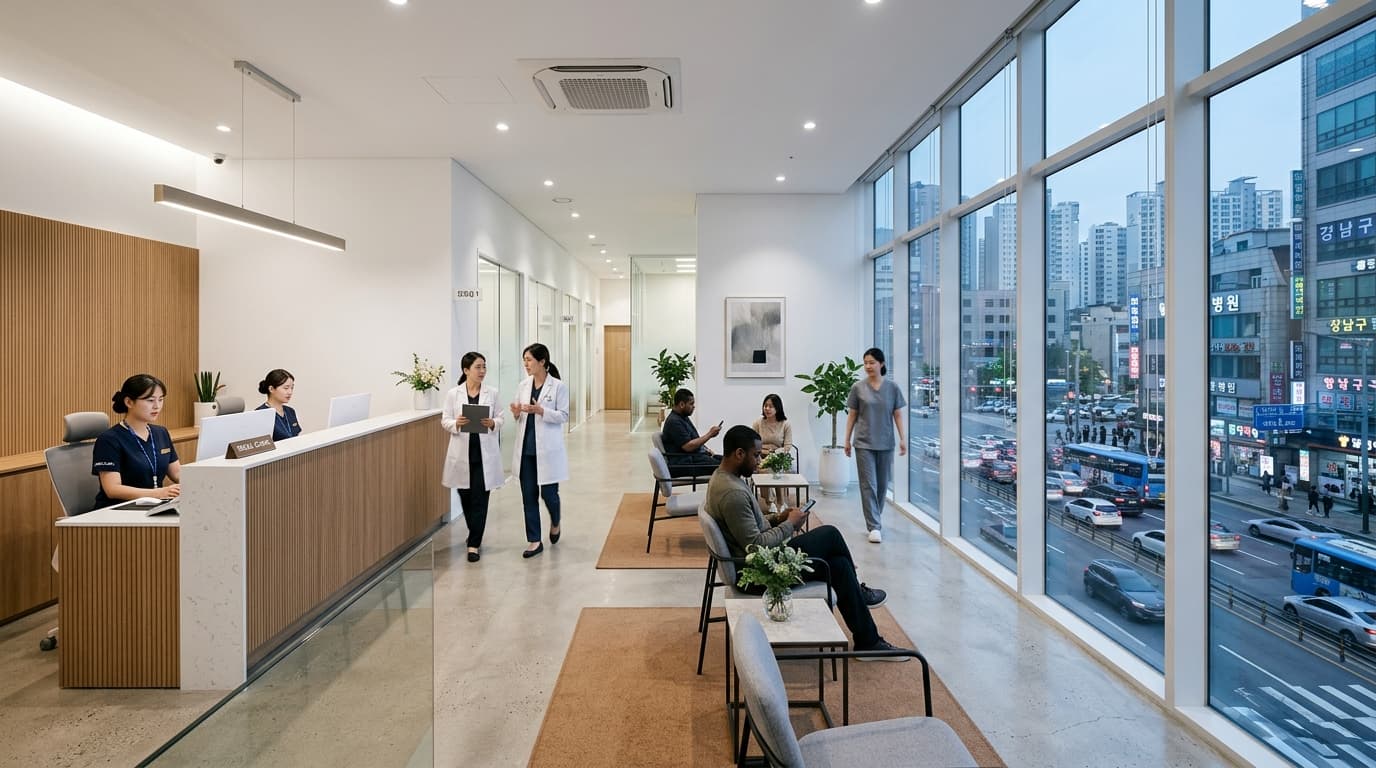
The facility includes dedicated spaces for consultations and post-treatment recovery. Each floor is organized by treatment type to manage flow and reduce wait times. Staff members are trained to handle the specific logistics of international documentation and insurance requirements.
The building features a minimalist aesthetic that differentiates it from the vibrant neon signage of the surrounding streets. This design choice provides a calm environment for patients seeking a break from the busy outdoor market. It reflects a shift toward professionalizing the aesthetic experience for a global audience.
"Our goal is to provide a standardized, high-quality experience for international visitors who have limited time in Seoul. By combining medical expertise with a convenient retail location, we make professional skin care an easy addition to any vacation."