At a Glance
- More than 70% of cross-border procurement now starts and finishes on smartphones, according to industry data cited by mobile trade platform Ecer.com
- The platform reports inquiry delivery speeds three times faster than email, alongside AI-driven buyer-supplier matching and remote factory verification tools
- The shift signals a structural change in how small and mid-sized exporters compete for international orders, favoring speed of response over traditional sales infrastructure
A threshold has quietly been crossed in global trade: more than 70% of cross-border sourcing transactions are now initiated and completed on mobile devices, according to industry figures cited by Ecer.com, a mobile-focused B2B trade platform. The figure marks a meaningful shift for an industry long built around desk-bound procurement teams, trade show booths and email negotiations, and it raises the stakes for suppliers who have been slow to adapt their sales operations to smartphone-first buyers.
Why Response Speed Is Becoming a Competitive Weapon
For exporters, the practical consequence of mobile-first sourcing is that buyer inquiries no longer wait for office hours. A supplier who checks email once a day, or only after landing from a flight, risks losing a deal to a rival who replies within minutes. Ecer.com says its instant inquiry system pushes high-priority leads to mobile devices with alerts, claiming reach efficiency more than three times faster than conventional email channels.
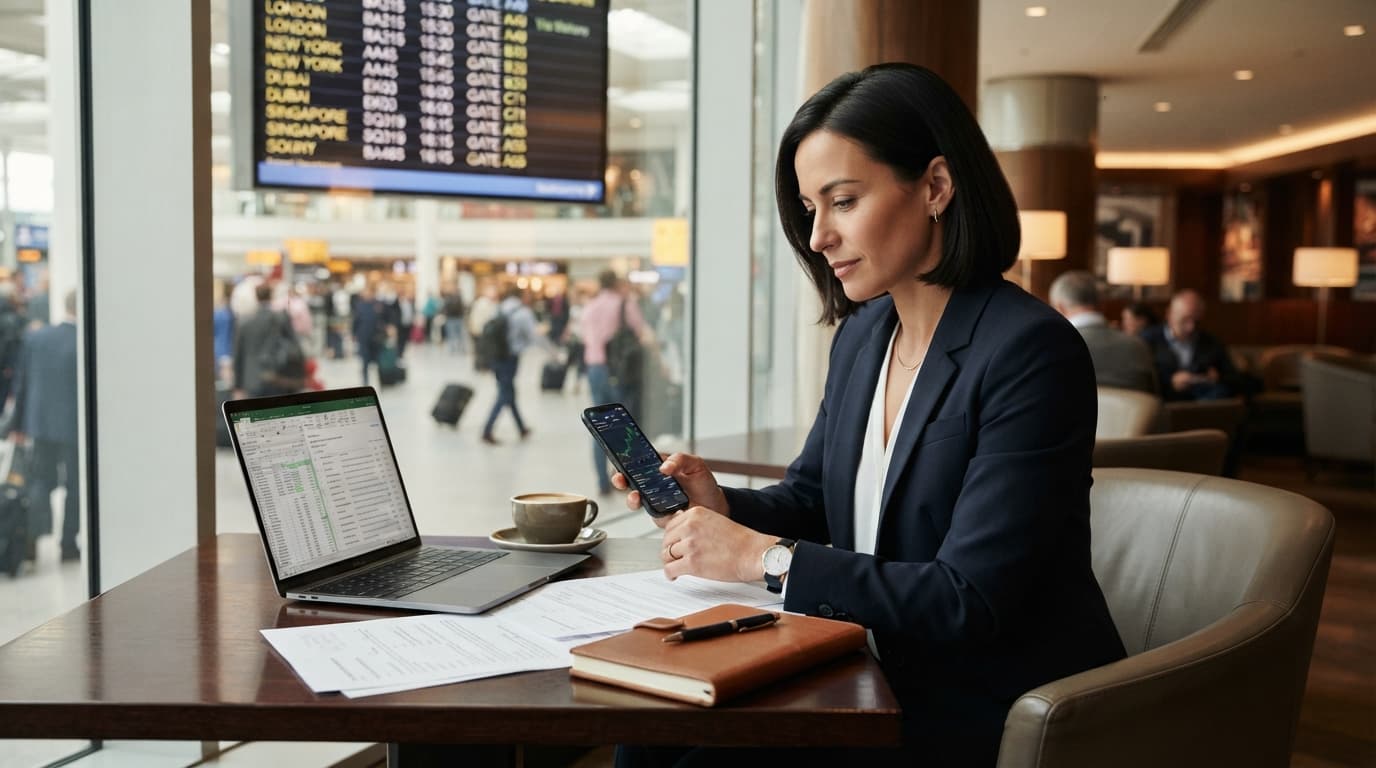
The company points to an example involving an executive at Guangzhou Micron Vending Technology Co., Ltd, who reportedly closed a deal with a European buyer from an airport transit lounge in Southeast Asia after receiving a mobile alert. Whether or not such anecdotes generalize across an industry, the underlying pressure they illustrate is real: buyers sourcing on mobile expect near-immediate responses, not next-day follow-ups.
This dynamic mirrors a broader pattern across business software, where speed of response is increasingly automated rather than left to manual monitoring. The same logic is driving investment in AI-driven workflow automation across enterprise tools, as companies look to remove human lag from time-sensitive processes.