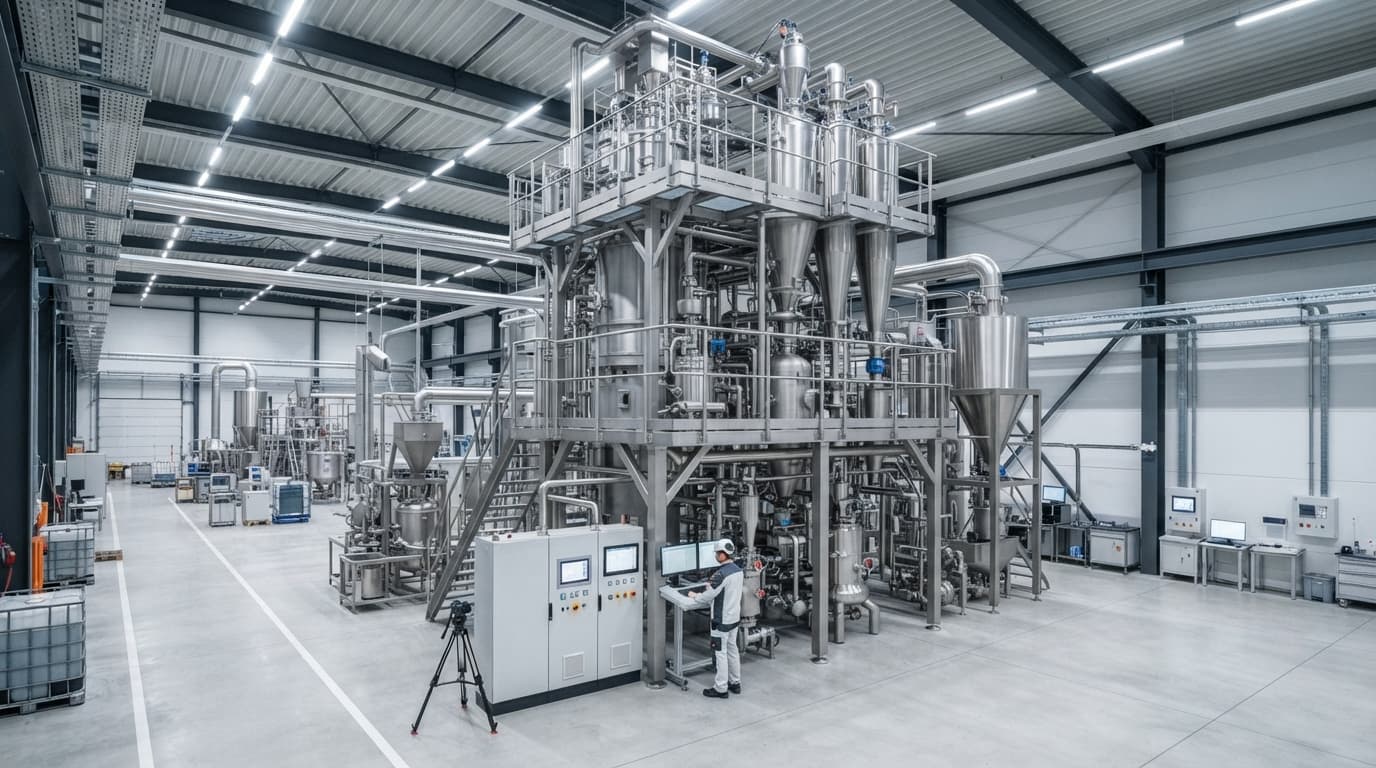
CO-NELE Machinery has launched an integrated mixing granulator that combines mixing, bonding and granulation into a single machine for metal powder processing
The equipment uses "3D turbulent granulation" technology aimed at iron, copper, titanium and nickel-based superalloy powders used in powder metallurgy
The launch responds to longstanding industry complaints about screen clogging, uneven particle size and costly multi-machine production lines
A Qingdao-based industrial equipment manufacturer has moved to address one of powder metallurgy's persistent production headaches: the granulation stage that determines whether metal powder becomes a usable, uniform feedstock or an inconsistent, wasteful batch. CO-NELE Machinery has introduced an integrated mixing granulator designed to fold several separate manufacturing steps into one machine, targeting iron, copper, titanium and nickel-based superalloy powders.
Why Granulation Has Lagged Behind
Powder metallurgy, the process of forming metal parts from powdered materials rather than melting and casting them, depends heavily on granulation to prepare powders for compaction into finished parts. Poorly formed granules translate directly into weaker, less precise components further down the production line, which is why manufacturers of aerospace, automotive and industrial hardware pay close attention to this step.
According to the announcement, two approaches have dominated the industry, and both carry drawbacks. Standalone spray granulators struggle with the sheer variety of metal powders in circulation, since particle size, shape and density differ significantly between materials like titanium and nickel-based superalloys, often producing inconsistent particles and lower yields.
The alternative, a combined process of kneading and extrusion granulation, requires separate mixers, kneaders and granulators linked together. That multi-machine setup raises labor and floor-space costs while introducing material loss at each transfer point, and extrusion granulators are prone to screen clogging that forces unplanned downtime.
China Equipment Maker Targets Metal Powder Bottleneck
A Single-Machine Approach
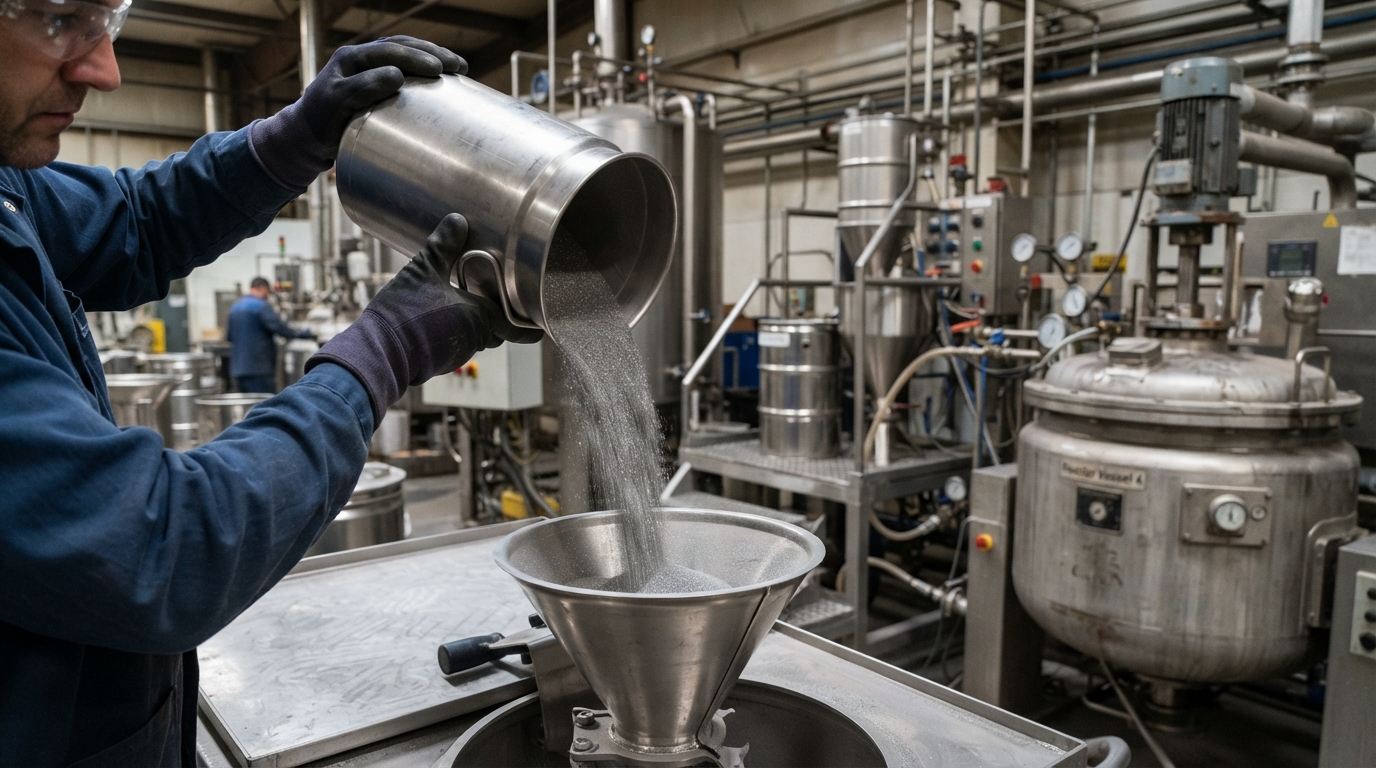
CO-NELE's system is built to complete feeding, mixing, bonding, granulation and forming within one unit. For iron powder, the company describes an operation in which raw powder, binders and solvents are loaded together, with rotating speed and duration set before the machine handles mixing and granulation automatically, discharging dry finished particles without further processing.
The company says the equipment allows particle size to be adjusted according to production needs, while optional heating, cooling and vacuum attachments let operators tailor temperature and atmosphere to different powder types. It also claims the design avoids the screen-clogging problems associated with extrusion granulators and includes a structure intended to reduce material residue for easier cleaning between batches.
The push toward consolidated, multi-material processing equipment mirrors a broader trend in metals manufacturing, where producers face pressure to cut labor costs and material waste without sacrificing the precision demanded by high-value sectors such as aerospace and electric vehicle components. That pressure has intensified as supply chains for critical and specialty metals face tighter scrutiny, a dynamic also visible in efforts described in China's push for ultra-pure copper wire, where upstream processing quality has become a competitive differentiator rather than an afterthought.
Equipment claims of this kind typically require independent validation through customer deployments and third-party testing before broader industry adoption follows. Powder metallurgy producers evaluating new granulation technology tend to weigh capital outlay against demonstrated gains in yield and uptime, meaning the equipment's real impact will likely become clearer as manufacturers report operational results over time.
CO-NELE's integrated granulator arrives as powder metallurgy producers continue searching for ways to raise yields and cut costs amid growing demand from sectors reliant on precision metal components. Whether the machine delivers on its stated advantages across diverse metal powders will depend on performance data from actual production floors rather than the announcement alone.
Stay Ahead of the News
Get the latest business news and company spotlights delivered to your inbox. No spam, unsubscribe any time.