

At a Glance
- Multicenter study of 284 children validates SeptiCyte RAPID for distinguishing sepsis from noninfectious inflammation
- Test achieved 0.83 AUC alone, rising to 0.87 when combined with six routine lab measures
- Performance was consistent across age groups and between U.S. and Australian patient cohorts
- 68.4% of confirmed sepsis patients with positive blood cultures scored in the highest-probability band
Immunexpress announced on October 15, 2026 the publication of a multicenter study showing that its SeptiCyte RAPID blood test can help distinguish sepsis from noninfectious inflammation in critically ill children suspected of sepsis. The study covered 284 children at leading pediatric centers in the United States and Australia, and found an area under the curve (AUC) of 0.83 on its own and 0.87 when combined with routine laboratory results.
What the Study Found
The retrospective, noninterventional study pooled data from four separate studies at pediatric centers in the US and Australia, enrolling children from one month to 18 years of age. Researchers evaluated whether SeptiCyte RAPID's SeptiScore, a 0-15 output generated from a small blood sample, could separate true sepsis from systemic inflammatory response syndrome (SIRS) that has no infectious cause.
Among children with a consensus clinical diagnosis, the test produced an AUC of 0.83, outperforming other clinical parameters used alone or in combination. Adding six routine laboratory tests, including organ dysfunction variables, lifted that figure to 0.87.
Performance held steady across infants and toddlers, children and adolescents, and no statistically significant difference was observed between the US and Australian cohorts. Among clinically adjudicated sepsis patients with positive blood cultures, 68.4% had a Band 4 result, the highest sepsis-probability category the test reports.
"Distinguishing infection-driven sepsis from noninfectious inflammation remains one of the most difficult and time-sensitive decisions in pediatric critical care. The findings in this study demonstrate the promise of a rapid host-response laboratory test to help clinicians manage diagnostic uncertainty in real time during high stakes evolution of a dynamic clinical picture—supporting early sepsis management when sepsis probability is high and consideration of alternative diagnoses and antibiotic stewardship when sepsis probability is low."
— Dr Jerry Zimmerman, lead author and Emeritus Professor, Pediatric Critical Care Medicine, Seattle Children's Hospital, University of Washington
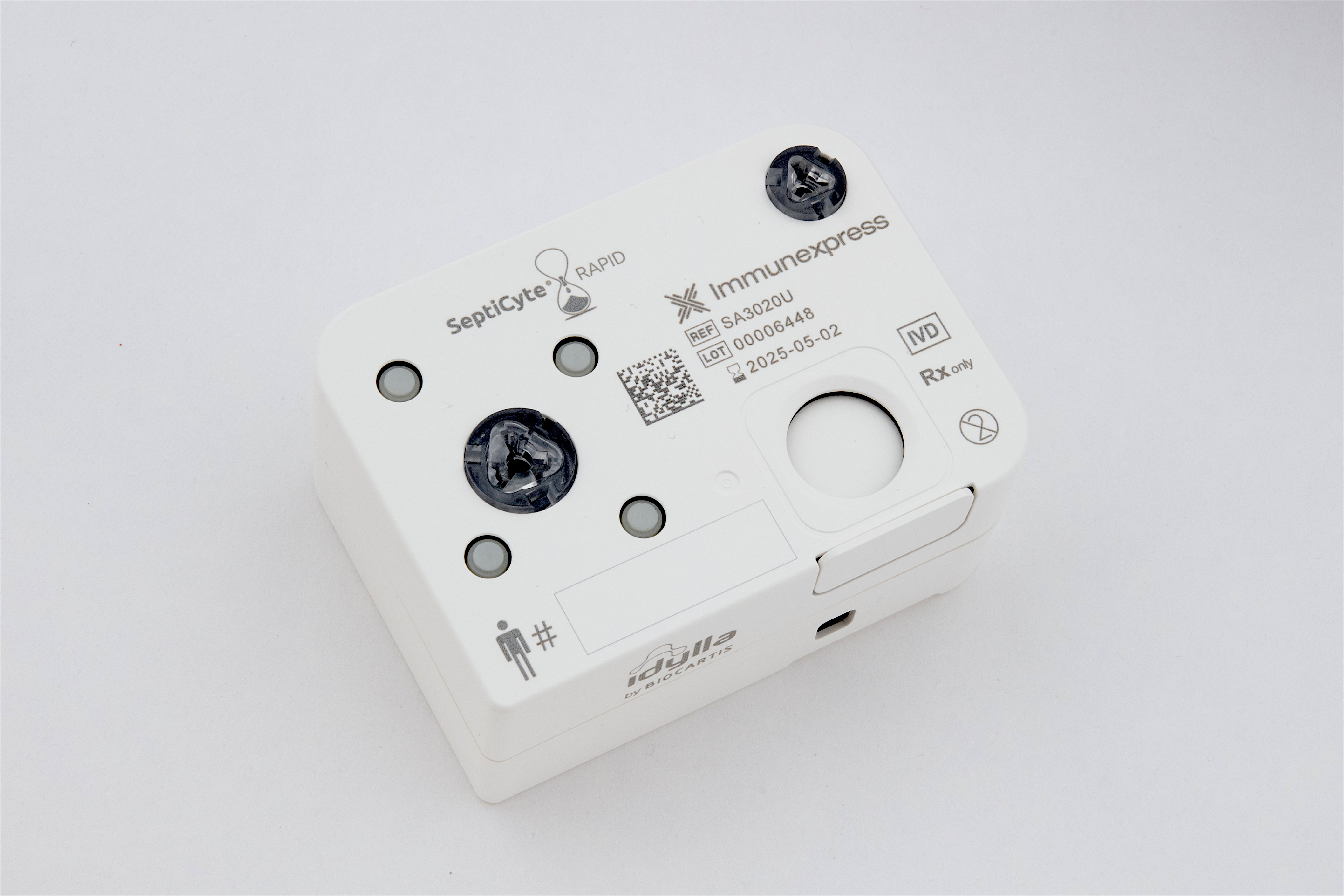
Reading the Score
The study's likelihood-ratio findings describe how the test behaves at either end of its scale. Higher SeptiScores corresponded to a progressively greater probability of sepsis, with a positive likelihood ratio of 3.51, while lower scores carried a likelihood ratio of 0.09, which the company says can enable sepsis to be ruled out. For clinicians managing a child with an uncertain diagnosis, that points toward earlier treatment when the score is high, or toward antibiotic stewardship and alternative diagnoses when it is low.