

At a Glance
- Global Carbon Fiber Drive Shaft market outlook for 2024-2030 detailed in new report.
- Analysis covers key drivers, restraints, and the competitive environment.
- Market segmented by vehicle type, application, and major global regions.
A new report from MarketQuest.biz offers an in-depth analysis of the global carbon fiber drive shaft market, projecting its trajectory through 2030. The study provides a detailed assessment of market size, current growth factors, and anticipated future trends, aiming to equip businesses with essential insights for strategic decision-making. This detailed overview examines historical data alongside prevailing market dynamics, highlighting significant potential opportunities for industry participants. It underscores the increasing adoption of lightweight carbon fiber components in various vehicle types across key global regions, driven by performance and efficiency demands.
Market Dynamics and Key Drivers
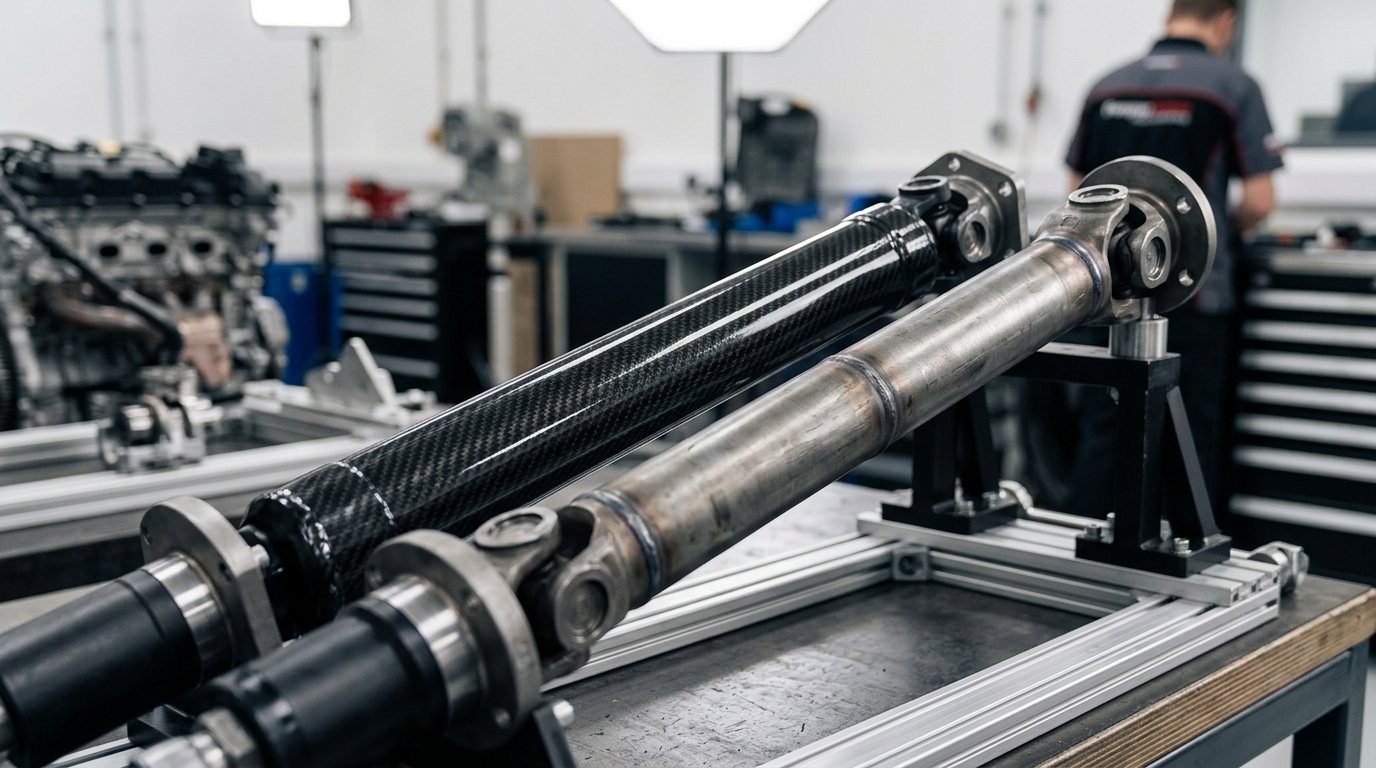
The recent report by MarketQuest.biz identifies several critical factors influencing the global carbon fiber drive shaft market's expansion through the forecast period ending in 2030. A primary driver is the automotive industry's persistent push for lighter vehicles, directly impacting fuel efficiency standards and overall performance benchmarks. Carbon fiber drive shafts offer substantial weight reduction compared to traditional steel components, contributing significantly to enhanced vehicle dynamics, improved acceleration, and lower emissions profiles required by modern regulations worldwide.
Technological advancements in manufacturing processes are also playing an important role in driving sustained market growth and broader adoption. These innovations are progressively making carbon fiber drive shafts more cost-effective to produce and, consequently, increasingly accessible for a wider range of vehicle applications beyond high-performance niches. The report details how these advancements are enabling greater material integration and design flexibility, thereby expanding the potential for broader adoption across the automotive sector. This continuous improvement in production techniques is vital for market penetration.
Furthermore, increasing consumer preference for high-performance, fuel-efficient, and environmentally friendly vehicles contributes directly to market uptake. Automakers are actively responding to these evolving consumer shifts by incorporating advanced materials like carbon fiber into critical powertrain components. This trend is distinctly visible across both passenger vehicle and commercial vehicle segments, as companies strive for competitive advantages and to meet consumer expectations in a demanding global market.
The study additionally considers the impact of global regulatory pressures, which consistently encourage the adoption of lightweight materials to meet stringent emission and fuel economy standards. These regulations compel vehicle manufacturers to innovate and integrate advanced solutions that enhance overall vehicle efficiency and environmental performance. This external pressure acts as a significant catalyst for ongoing market development and stimulates substantial investment in material science research and application.
"Understanding the intricate dynamics of the carbon fiber drive shaft market is vital for stakeholders to identify emerging opportunities and address competitive challenges effectively."
— Analyst, MarketQuest.biz
Segmentation and Competitive Landscape
The global carbon fiber drive shaft market is meticulously segmented within the report to provide a granular and systematic view of its structural components and growth areas. The analysis categorizes the market by specific product types, clearly distinguishing between applications for passenger vehicles and commercial vehicles. This segmentation reveals distinct growth patterns and specific demands within each vehicle category, reflecting their particular operational requirements and design considerations for optimal performance and durability.
Application-wise, the market is primarily divided into the dominant automotive sector and other specialized industrial applications, with the automotive segment retaining its leading position due to mass production requirements. Regional analysis thoroughly covers North America, Europe, Asia-Pacific, South America, and the Middle East & Africa, examining each area's unique market drivers and economic conditions. Each region presents specific growth prospects, shaped by local manufacturing capabilities, economic development, and evolving consumer trends, offering diverse investment opportunities for market players.
The competitive environment section profiles a range of key industry players, offering valuable insights into their product portfolios, strategic business approaches, and estimated market shares. Major companies such as Dana, GKN, Nexteer, and MarketQuest.biz highlights American Axle & Manufacturing as significant contributors, among others, alongside regional specialists. This competitive intelligence helps stakeholders understand the strategic positioning, operational approaches, and innovation efforts of both market leaders and emerging participants in this specialized field.
The report also incorporates strong analytical frameworks, including Porter's Five Forces analysis and PESTEL analysis, to ensure a thorough market understanding and strategic context. These tools provide a holistic view of competitive intensity and broader macro-environmental influences impacting the market's trajectory and future development. They help assess factors such as the bargaining power of buyers and suppliers, the threat of new entrants, and the overall competitive rivalry, ensuring a well-rounded market perspective for informed decision-making and future planning.
The MarketQuest.biz report serves as a valuable resource for market players, investors, and stakeholders seeking to make informed decisions within the evolving carbon fiber drive shaft industry. By offering detailed insights into market dynamics, identifying key growth opportunities, and analyzing competitive strategies, the study aims to support effective business planning and innovation. The forecast period through 2030 indicates continued evolution and significant potential for technological advancement and market expansion in this specialized automotive component sector.