
At a Glance
- The global cargo shipping market is projected to reach US$ 255.42 billion by 2034.
- The sector anticipates a steady compound annual growth rate (CAGR) of 2.01% from 2026 to 2034.
- Technological adoption, sustainability efforts, and supply chain resilience are key market drivers.
The global cargo shipping market is poised for significant expansion, with recent projections indicating a valuation of US$ 255.42 billion by 2034. This steady growth trajectory, marked by a compound annual growth rate (CAGR) of 2.01% from 2026, underscores the sector's enduring importance to international trade and supply chains. Despite geopolitical shifts and economic fluctuations, maritime transport remains the backbone of global commerce.
Market Dynamics and Key Drivers
The growth of the global cargo shipping market is intrinsically linked to the expansion of international trade and industrial output. Rising consumer demand, particularly from emerging economies, fuels the movement of raw materials and finished goods across continents. The continued surge in e-commerce activities also necessitates efficient and reliable shipping services to deliver goods to end-users worldwide. This sustained demand underpins the market's projected growth.
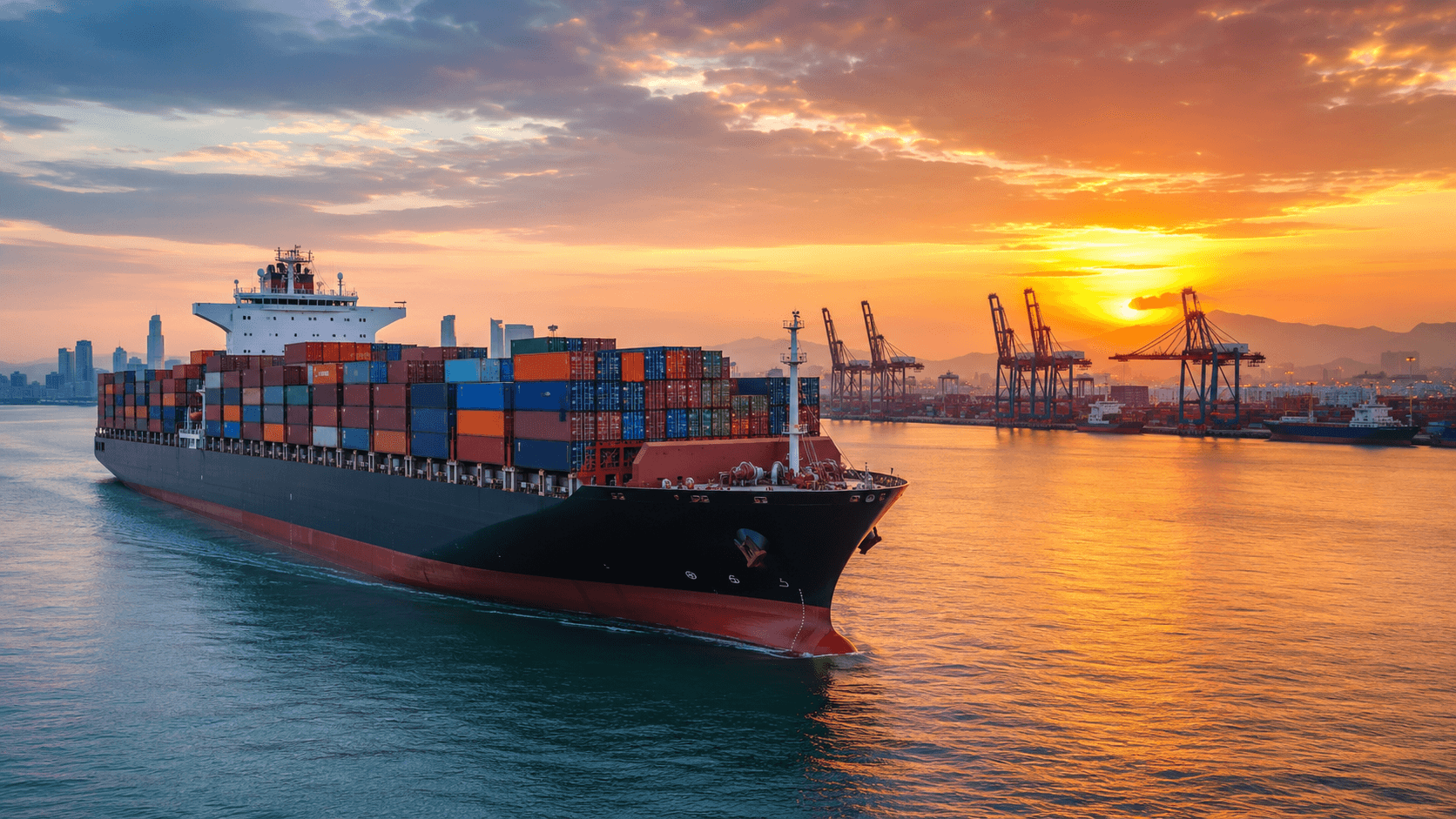
Containerization remains a cornerstone of modern cargo shipping, providing standardized and cost-effective transport for a vast array of products. This method has revolutionized global logistics, allowing for seamless intermodal transfers and economies of scale. Alongside this, the bulk shipping segment, handling commodities like iron ore, coal, and grain, sees demand influenced by global infrastructure projects and agricultural yields.
Specialized cargo, including oil & gas, chemicals, and project cargo, also contributes significantly to market volume and revenue. The transport of these unique goods often requires bespoke vessels and specialized handling procedures, adding complexity and value to the shipping ecosystem. Demand for these niche services is often tied to specific industrial cycles and energy sector developments.
Regional economic development plays a pivotal role in shaping shipping routes and demand patterns. Rapid industrialization in parts of Asia and Africa, coupled with steady consumption in North America and Europe, dictates the flow of goods. Investment in port infrastructure and logistics hubs in these key regions further supports market expansion, as highlighted by organizations like the World Shipping Council, which regularly details the critical role of maritime transport in facilitating global economic interaction.
"The cargo shipping market, while cyclical, continues to demonstrate remarkable resilience, adapting to new economic paradigms and geopolitical shifts. Investments in fleet modernization and digital infrastructure are crucial for maintaining efficiency and meeting evolving global demand."
— Dr. Evelyn Reed, Chief Economist at Maritime Insights Group
Embracing Technology and Sustainability
The cargo shipping industry is increasingly adopting advanced technologies to enhance operational efficiency and reduce environmental impact. Digitalization, including the use of Artificial Intelligence (AI) and the Internet of Things (IoT), optimizes route planning, cargo tracking, and predictive maintenance for vessels. These technological advancements are vital for creating more resilient and transparent supply chains, benefiting all participants from large corporations to SMEs drive growth through digital transformation.
Sustainability is no longer an option but a core strategic imperative for shipping lines worldwide, driven by both regulatory pressures and corporate responsibility. International Maritime Organization (IMO) regulations are pushing for significant reductions in greenhouse gas emissions, spurring the adoption of cleaner fuels, such as LNG and methanol. The development of zero-emission vessels and shore power connections is also gaining momentum across the industry.
Major players like A.P. Moller - Maersk are investing heavily in green shipping initiatives, aiming to decarbonize their fleets and operations well ahead of mandated deadlines. This includes exploring alternative propulsion systems and investing in energy-efficient ship designs. Such commitments reflect a broader industry shift towards environmental stewardship and long-term viability.
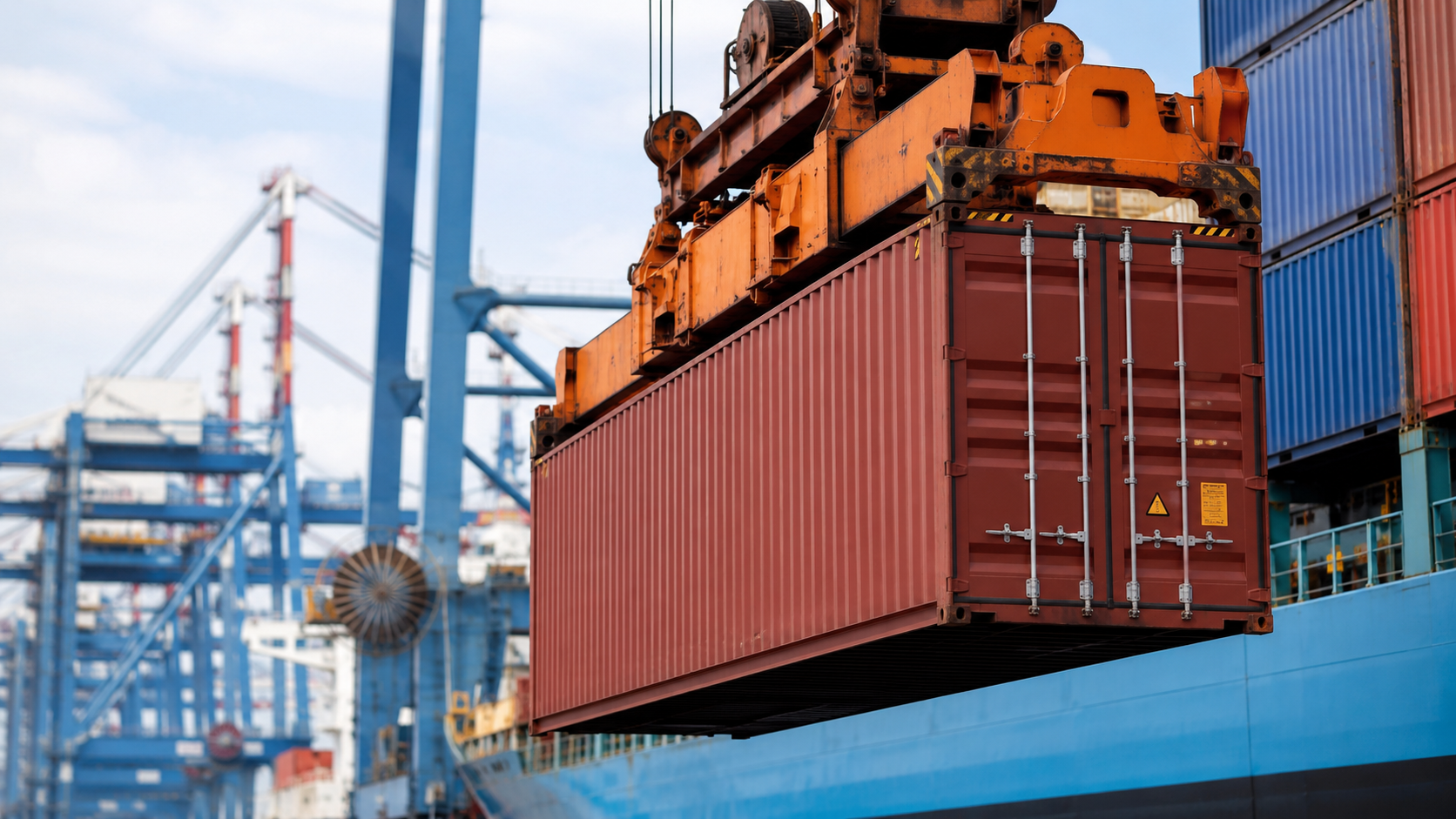
Port infrastructure is also undergoing significant transformation, with automation and smart technologies improving turnaround times and reducing congestion. Automated cranes, intelligent freight management systems, and enhanced data analytics are becoming standard features in major global ports. These investments are critical for handling larger vessel capacities and increasing trade volumes efficiently, while also improving safety and security.
Geopolitical Influences and Supply Chain Resilience
Geopolitical events frequently reshape global trade routes and impact shipping costs and schedules, posing significant challenges to market stability. Conflicts, trade disputes, and regional instability can lead to rerouting of vessels, increased transit times, and heightened insurance premiums. The ongoing challenges in critical waterways, like the Suez and Panama Canals, underscore the vulnerability of existing supply chain networks to external shocks.
Businesses are increasingly focusing on diversifying their supply chains to mitigate risks associated with over-reliance on single regions or production hubs. This involves re-evaluating sourcing strategies and expanding manufacturing footprints. Trends such as nearshoring and friend-shoring are emerging as companies seek to build more resilient and geographically varied logistics networks, bringing production closer to consumption.
The demand for enhanced supply chain resilience has spurred significant investment in advanced logistics planning and inventory management systems. Shippers are seeking greater visibility and control over their cargo, from origin to destination, through integrated digital platforms. This proactive approach helps anticipate disruptions and respond more effectively to unforeseen events.
Maritime intelligence providers like Drewry Shipping Consultants offer crucial insights into market trends, geopolitical risks, and potential disruptions, aiding strategic decision-making in this complex environment. Their analysis helps shipping companies and cargo owners adapt to changing global dynamics and maintain operational continuity. This focus on data-driven strategy is becoming indispensable.
Investment and Future Outlook
Significant capital investment is flowing into the cargo shipping sector, targeting both fleet renewal and port infrastructure upgrades. Shipping lines are ordering new, more efficient vessels, including those capable of running on alternative fuels, to meet future demand and environmental regulations. Port authorities worldwide are also expanding capacities and modernizing facilities to accommodate larger ships and increased cargo volumes.
The industry has witnessed a period of consolidation, with major players acquiring smaller companies or forming strategic alliances. These mergers and acquisitions aim to achieve economies of scale, expand route networks, and enhance service offerings. Such strategic moves often lead to greater market concentration but can also drive efficiency and innovation within the sector.
A persistent challenge for the shipping industry is attracting and retaining a skilled workforce, both at sea and ashore. The demand for qualified seafarers, logistics professionals, and technical experts continues to grow. Companies are investing in training programs and improved working conditions to address these talent gaps and ensure operational continuity.
Despite potential headwinds from economic slowdowns or geopolitical tensions, the long-term outlook for global cargo shipping remains positive. The fundamental drivers of international trade, such as globalization and increasing consumption, are expected to sustain demand. Continuous adaptation to technological advancements and sustainability mandates will be key to the market's enduring success through 2034 and beyond.
The outlook for the global cargo shipping market remains cautiously optimistic, driven by sustained international trade and continuous technological integration. While challenges such as regulatory compliance and geopolitical risks persist, the industry's commitment to efficiency and environmental stewardship is expected to underpin its long-term expansion. Stakeholders across the logistics ecosystem are focused on building a more adaptable and sustainable future for global commerce.