
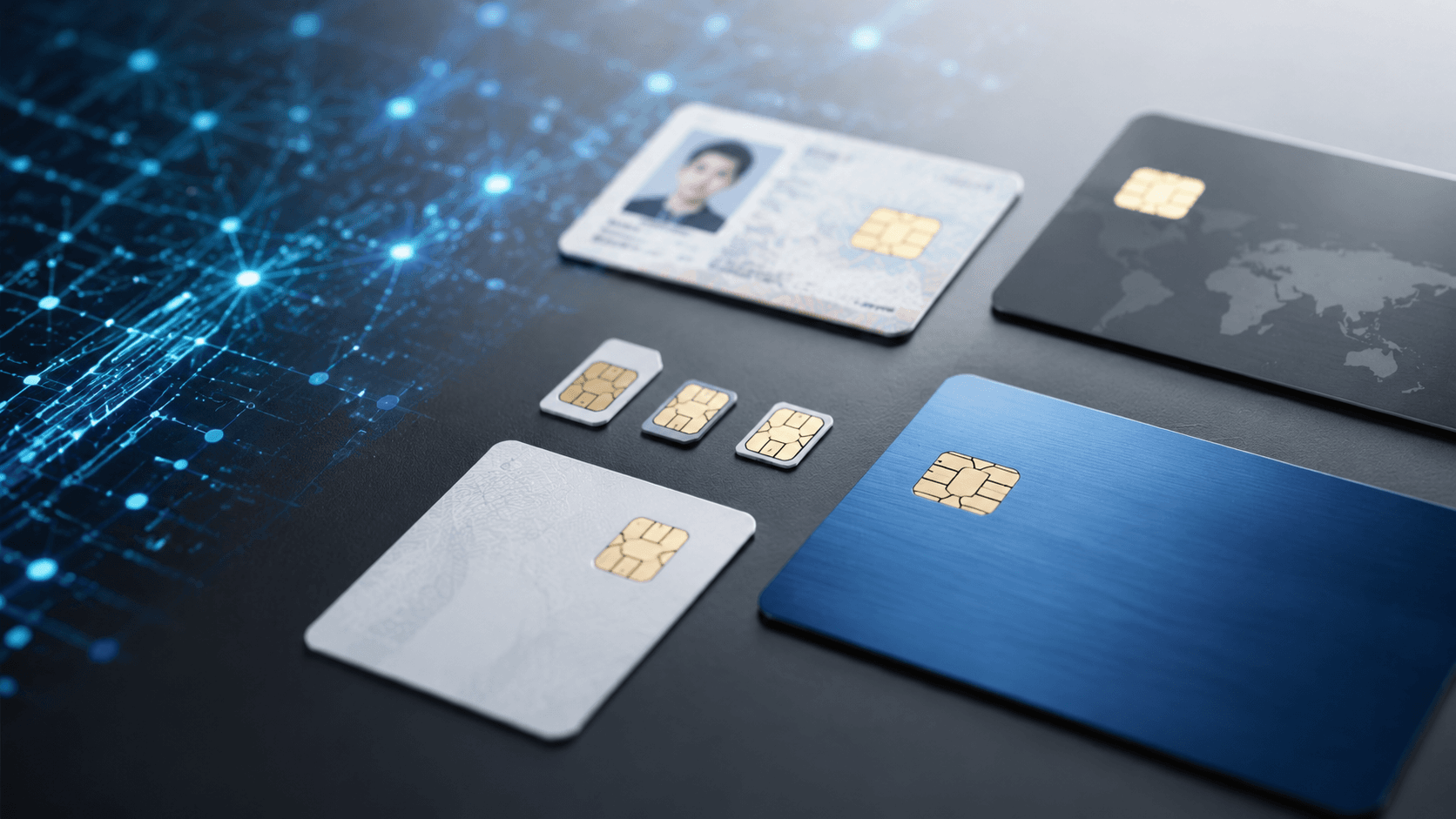
At a Glance
- Global smart card shipments are projected to reach 8.46 billion units by 2030.
- The transition to eSIM technology is significantly reshaping the traditional SIM card market.
- New digital-first strategies are redefining the issuance of payment cards.
Global smart card shipments are forecast to reach an impressive 8.46 billion units by 2030, according to a recent report from ABI Research. This substantial growth is anticipated despite a major transformation occurring within the traditional SIM card sector. The evolving landscape of connectivity, payments, and identity solutions are the primary drivers behind this market expansion.
Market Dynamics and eSIM Evolution
The overall smart card market is experiencing consistent growth, but its internal composition is undergoing a fundamental shift. Traditional physical SIM card shipments are declining, particularly in consumer devices like smartphones, due to the accelerating adoption of eSIM technology. This transition marks a significant change in how mobile connectivity is managed.
Despite the decrease in physical SIMs, the underlying secure element technology remains crucial for authentication and connectivity. This core technology, present in both physical SIMs and eSIMs, finds expanding applications beyond mobile phones. Its role is becoming increasingly vital in diverse sectors such as the Internet of Things (IoT) and industrial applications.
ABI Research highlights that while the form factor is changing, the need for secure embedded components persists. The secure element is essential for robust security and identification in a growing number of connected devices. This ensures continued demand for the foundational technology, even as its packaging evolves.
"The smart card market is undergoing a profound transformation, driven by the shift to eSIMs and the evolving payment landscape."
— Phil Sealy, Research Director at ABI Research
Payment Card Innovation and New Issuance
The payment card market continues to demonstrate strong resilience and sustained growth, serving as a cornerstone of the broader smart card industry. Physical payment cards remain indispensable for numerous transactions, even with the rise of digital payment alternatives. This enduring demand is bolstered by innovative issuance strategies.
New issuance strategies are increasingly digital-first and driven by FinTech partnerships, emphasizing instant issuance capabilities and personalized card designs. This adaptability ensures that payment cards remain relevant and secure in an evolving financial ecosystem. The focus on digital transformation initiatives is key to these advancements.
Beyond traditional payments, smart cards and secure elements are expanding their utility into various other sectors. Government identity programs, healthcare applications, and the burgeoning IoT market all contribute to a rising demand for secure credentialing and authentication. Secure elements offer robust security in a compact form factor, making them ideal for devices from connected cars to industrial sensors.
The smart card market is navigating a period of significant change, with the shift towards eSIMs altering the SIM card landscape while payment cards adapt through digital innovation. This dual evolution underscores the market's dynamism, with secure element technology remaining central to authentication and connectivity across an expanding array of applications. The forecast growth reflects the continued importance of these secure solutions in an increasingly connected world.