
At a Glance
- Global automotive composite materials market projected to reach $26.8 billion by 2032.
- Demand for lightweight vehicles and strict emission rules are key growth drivers.
- Electric vehicles are expected to show the highest growth rate among vehicle types.
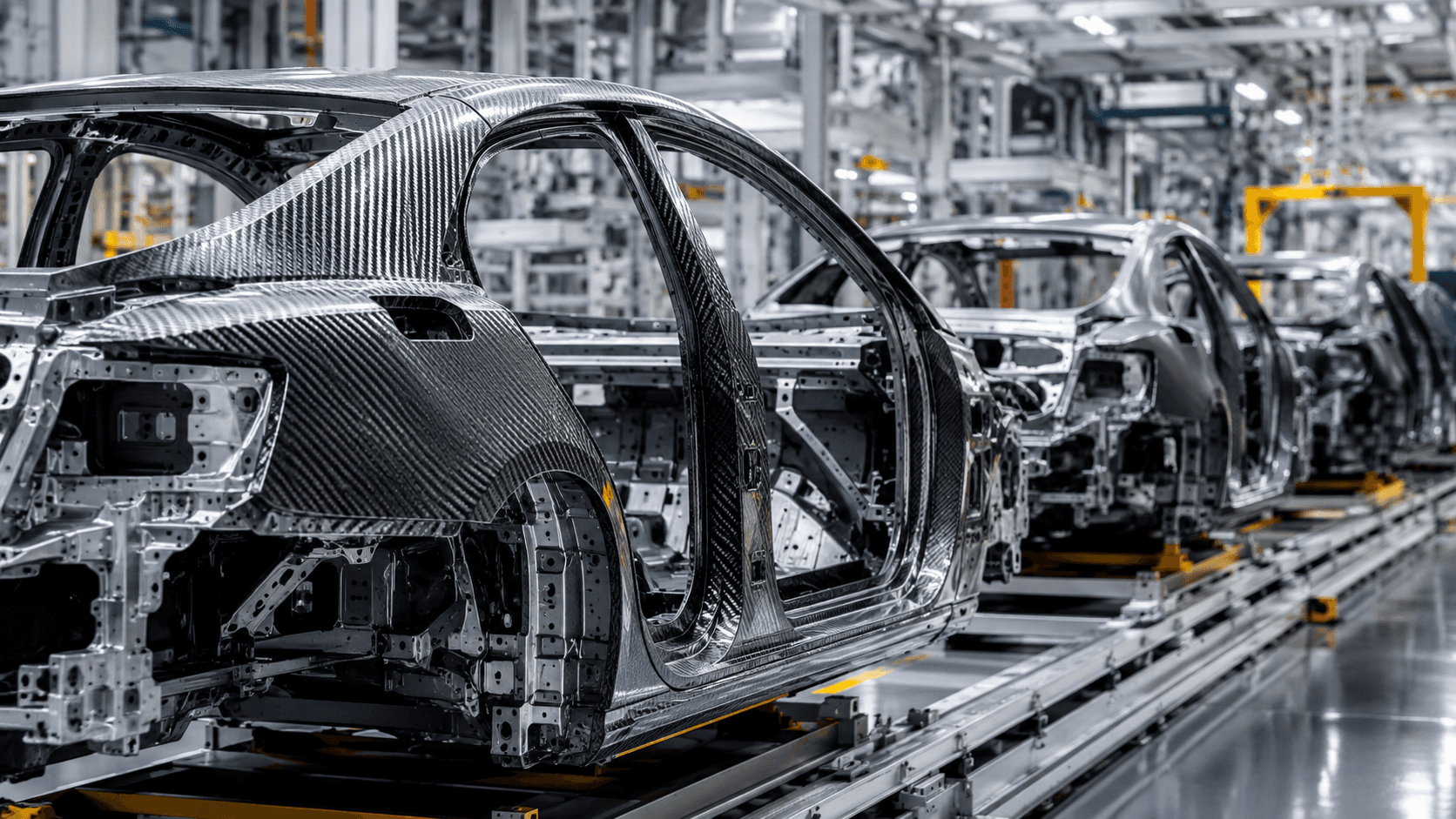
The global market for composite materials in the automotive sector is poised for significant expansion, according to a recent report by Allied Market Research. Valued at $11.0 billion in 2022, the market is forecast to nearly triple, reaching an estimated $26.8 billion by 2032. This growth represents a compound annual growth rate (CAGR) of 9.3% from 2023 to 2032, driven by a confluence of industry trends.
Market Dynamics and Key Drivers
The increasing global demand for lightweight vehicles remains a primary catalyst for market growth. Automotive manufacturers are increasingly adopting composite materials to reduce vehicle weight, which directly contributes to improved fuel efficiency and reduced carbon emissions across various vehicle types.
Stricter governmental regulations concerning vehicle emissions worldwide are also playing a significant role in this expansion. These mandates compel automakers to seek advanced material solutions that help meet environmental targets without compromising vehicle performance or safety standards.
New developments in manufacturing processes for composite materials have further supported their adoption. Innovations in production techniques are making these materials more cost-effective and easier to integrate into complex automotive designs, thereby expanding their application scope across the industry.
Despite these driving forces, the market faces certain restraints, such as the high initial costs associated with some composite materials and the inherent complexities of their specialized manufacturing processes. Addressing these challenges through further technological improvements will be essential for sustained market penetration.
"The shift towards electric vehicles and the continuous push for lighter, more fuel-efficient designs are undeniably propelling the demand for advanced composite materials across the automotive industry."
— Research Team, Allied Market Research
Segment Growth and Regional Outlook
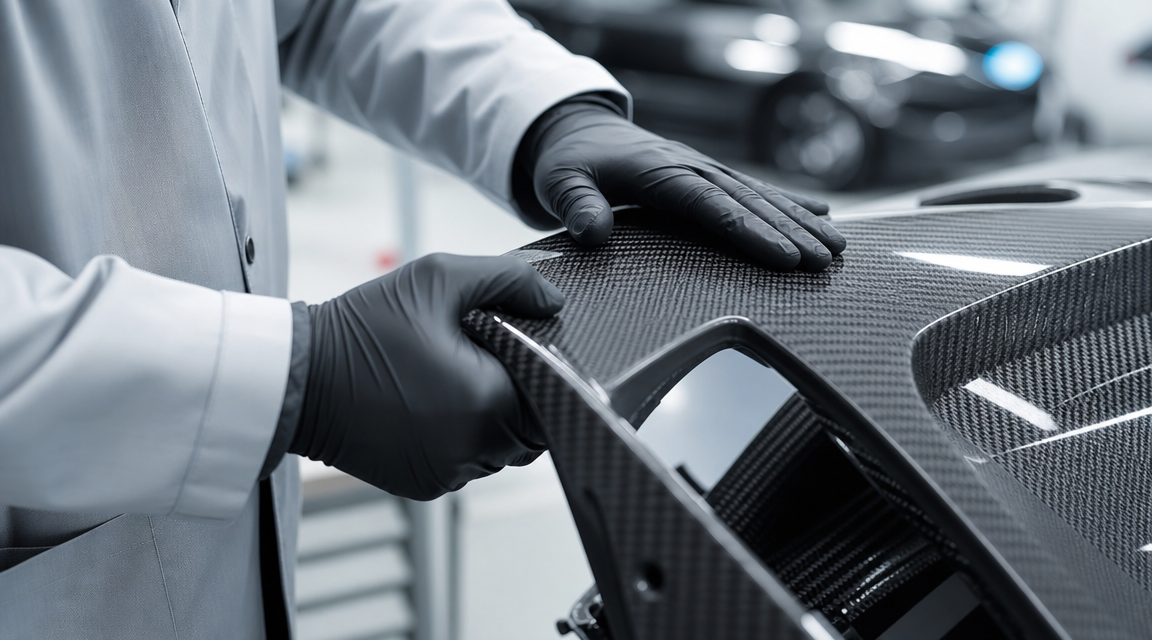
Among the various fiber types, carbon fiber accounted for the largest market share in 2022, reflecting its established use in high-performance automotive applications. However, glass fiber is anticipated to exhibit the highest CAGR of 10.0% through the forecast period, indicating its growing versatility and cost-effectiveness for broader adoption.
The thermoset resin type commanded the largest market share in 2022, while thermoplastic resins are expected to grow at the fastest rate, with a CAGR of 9.7%. This suggests a gradual shift towards materials offering improved recyclability and faster processing times in automotive component production.
From a manufacturing process perspective, compression molding held the dominant share in 2022. Resin transfer molding (RTM) is projected to experience the highest CAGR at 9.8%, driven by its ability to produce complex parts with good surface finish and dimensional accuracy.
Asia-Pacific emerged as the leading region in 2022, holding the largest market share and is expected to maintain its dominance with the highest CAGR of 9.6%. This regional growth is attributed to the expanding automotive manufacturing sector and rising demand for lightweight vehicles in countries like China, Japan, and India. The Asia-Pacific region, alongside other emerging economies, is heavily investing in advanced manufacturing and material science, reflecting broader trends seen in the plastic filler market growth.
The automotive composite materials market is set for substantial expansion, driven by the industry's focus on vehicle electrification and weight reduction. While challenges like material costs persist, ongoing research and development in manufacturing processes and material science are expected to support broader adoption. The continued evolution of vehicle design and performance requirements underscores the long-term importance of composite materials in shaping the future of automotive manufacturing.