Knowledge Networks gathered lawmakers, regulators and data center developers in Northern Virginia to address rising electricity demand from AI infrastructure
The region, home to the world's densest concentration of data centers, has become a bellwether for grid strain tied to AI expansion
The gathering signals growing pressure on policymakers to coordinate energy planning with the pace of data center construction
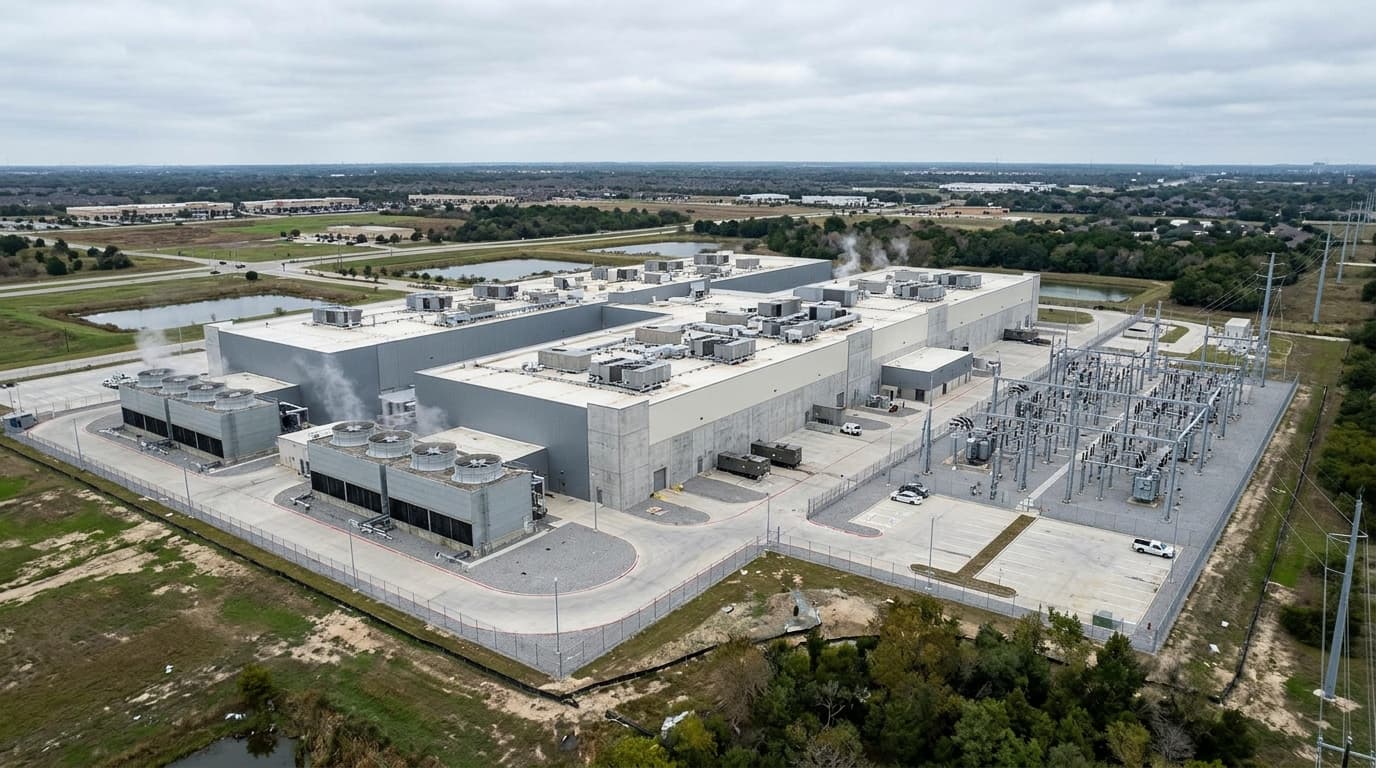
Knowledge Networks brought together lawmakers, utility regulators and data center builders in Northern Virginia this week to address a problem that has moved from industry forecasts into immediate policy concern: the electricity demand generated by artificial intelligence. The choice of venue was deliberate. Loudoun County and its surrounding jurisdictions form what is widely known within the industry as "Data Center Alley," the single largest concentration of data center capacity anywhere in the world, making it the logical proving ground for conversations about whether power infrastructure can keep pace with AI's growth.
Why Northern Virginia Became the Flashpoint
Northern Virginia's data center corridor did not emerge by accident. Decades of fiber-optic buildout, proximity to federal government and financial networks, and favorable tax treatment turned Loudoun and Prince William counties into the preferred location for hyperscale cloud and colocation facilities. That legacy infrastructure, however, was built for an era of steadier, more predictable computing loads.
The arrival of generative AI has changed the calculus. Training and running large language models requires sustained, high-density power draws that differ markedly from traditional cloud workloads, and utilities serving the region have repeatedly flagged capacity constraints in recent years. Local grid operator PJM Interconnection, which manages electricity transmission across a large swath of the eastern United States including Virginia, has cited data center growth as a significant driver of projected demand increases in its planning documents.
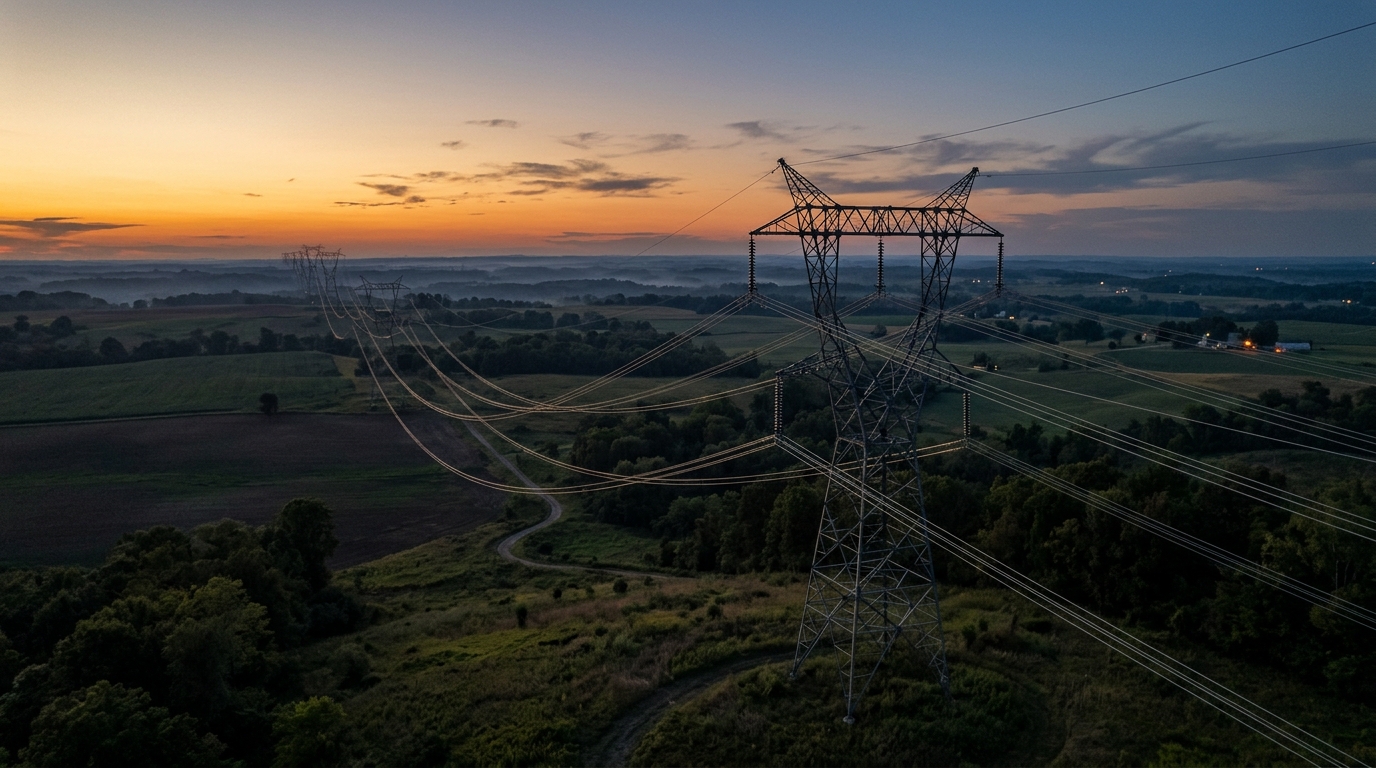
That tension between construction timelines for new data centers and the much longer lead times for power generation and transmission upgrades is precisely the gap that convenings like this week's gathering are meant to narrow. Builders want certainty about available capacity before committing capital; regulators want assurance that household and business ratepayers will not shoulder costs created by a handful of large industrial customers.
Virginia Summit Confronts AI's Power Crunch
A Pattern Repeating Across Global Markets
Northern Virginia's experience is not unique, even if its scale is. Ireland, Singapore and parts of the Nordic region have each imposed restrictions or moratoriums on new data center connections in recent years as grid operators warned of strain. In the United States, similar debates are unfolding in Texas, Georgia and parts of the Midwest, where AI-driven data center proposals are colliding with utilities' long-range generation plans.
What distinguishes the Virginia gathering is its attempt to put lawmakers, regulators and builders in the same room rather than leaving the issue to be litigated through separate regulatory filings and legislative hearings. Energy planning has traditionally moved on multi-year cycles tied to power plant construction and transmission permitting, while AI infrastructure investment has moved on a cycle measured in months. Closing that gap requires coordination that none of the three groups can achieve unilaterally, which is likely the underlying rationale for convening them together rather than through traditional lobbying channels.
The broader industry context matters here too. As companies race to deploy AI capabilities across operations — a shift already visible in how AI agents head from boardroom to factory floor — the physical infrastructure underpinning that shift has become as consequential as the software itself. Power availability, not chip supply alone, is increasingly cited by data center developers as the binding constraint on new projects.
What Regulators and Builders Are Weighing
For state and local regulators, the central question is how to allocate the cost of grid upgrades fairly. Large data center operators often negotiate direct infrastructure agreements with utilities, but the broader transmission and generation investments needed to serve a growing cluster of facilities can ripple into rates paid by residential and small business customers elsewhere on the grid.
Builders, for their part, are pushing for faster interconnection approvals and clearer signals about where new generation capacity, including natural gas, nuclear and renewable sources, will come online. Some developers have begun exploring on-site power generation and long-term power purchase agreements as a hedge against grid delays, a trend likely to accelerate if transmission upgrades continue to lag behind data center construction timelines.
Lawmakers attending sessions of this kind typically face a narrower but politically sensitive task: balancing the economic development benefits that data centers bring, including jobs and tax revenue, against constituent concerns about electricity costs and land use. That balancing act has already shaped legislative debates in Virginia's General Assembly in recent sessions, and is likely to intensify as AI-related capacity demands continue to grow.
The Northern Virginia gathering is unlikely to resolve the structural mismatch between AI's growth rate and the pace of power infrastructure development on its own, but it reflects a broader recognition that the two can no longer be planned separately. As AI deployment accelerates across industries, the region's experience managing data center power demand is likely to serve as an early indicator of how other markets, both in the United States and internationally, will need to adapt their own energy planning processes.
⭐
Business Spotlight
This article is a premium Business Spotlight feature — an in-depth profile with priority homepage placement. Contact us to be featured.
Stay Ahead of the News
Get the latest business news and company spotlights delivered to your inbox. No spam, unsubscribe any time.