Atheer has introduced AI agents and workflow tools designed specifically for industrial operations rather than generic office use cases
The launch reflects a broader shift in enterprise AI toward frontline, operational environments where downtime and safety carry direct financial consequences
Industrial AI adoption faces distinct hurdles, including legacy equipment, connectivity gaps, and workforce training needs that office-focused AI tools do not encounter
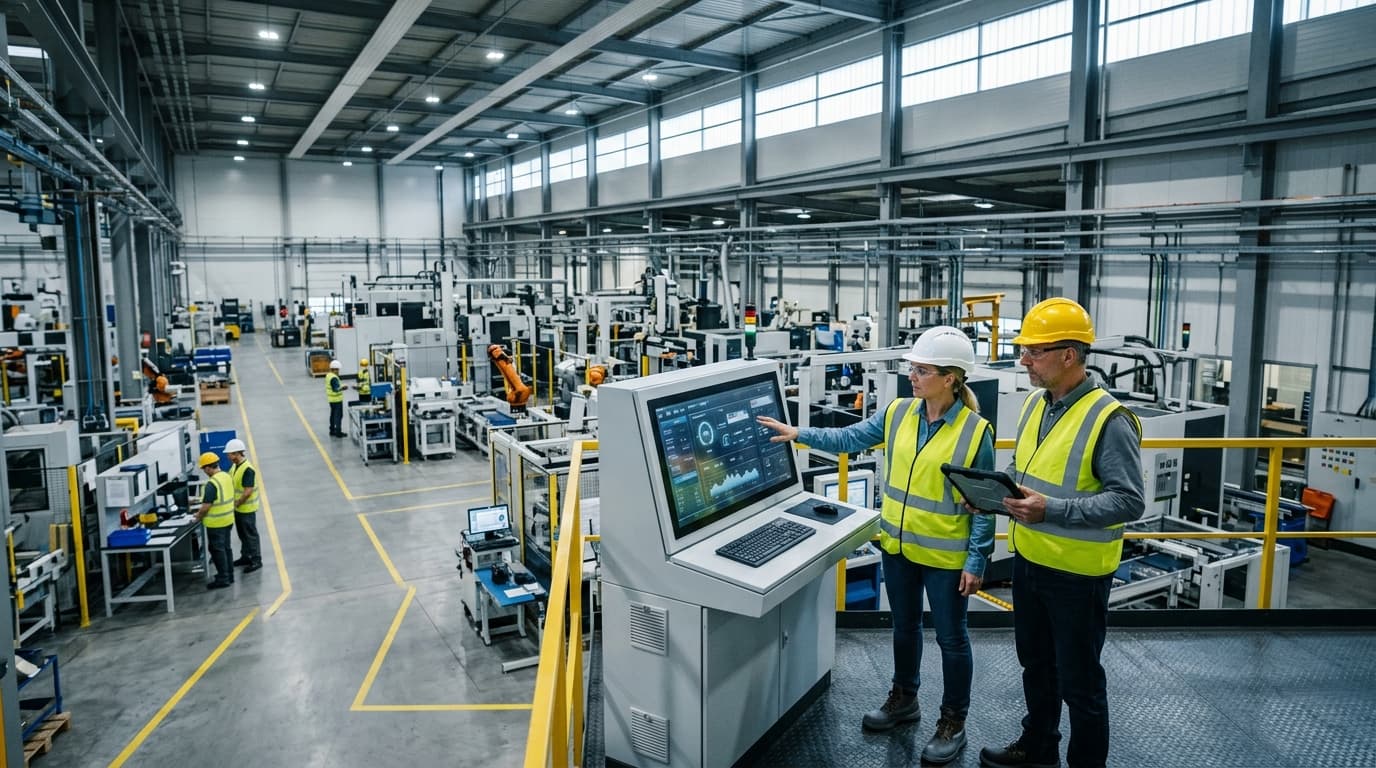
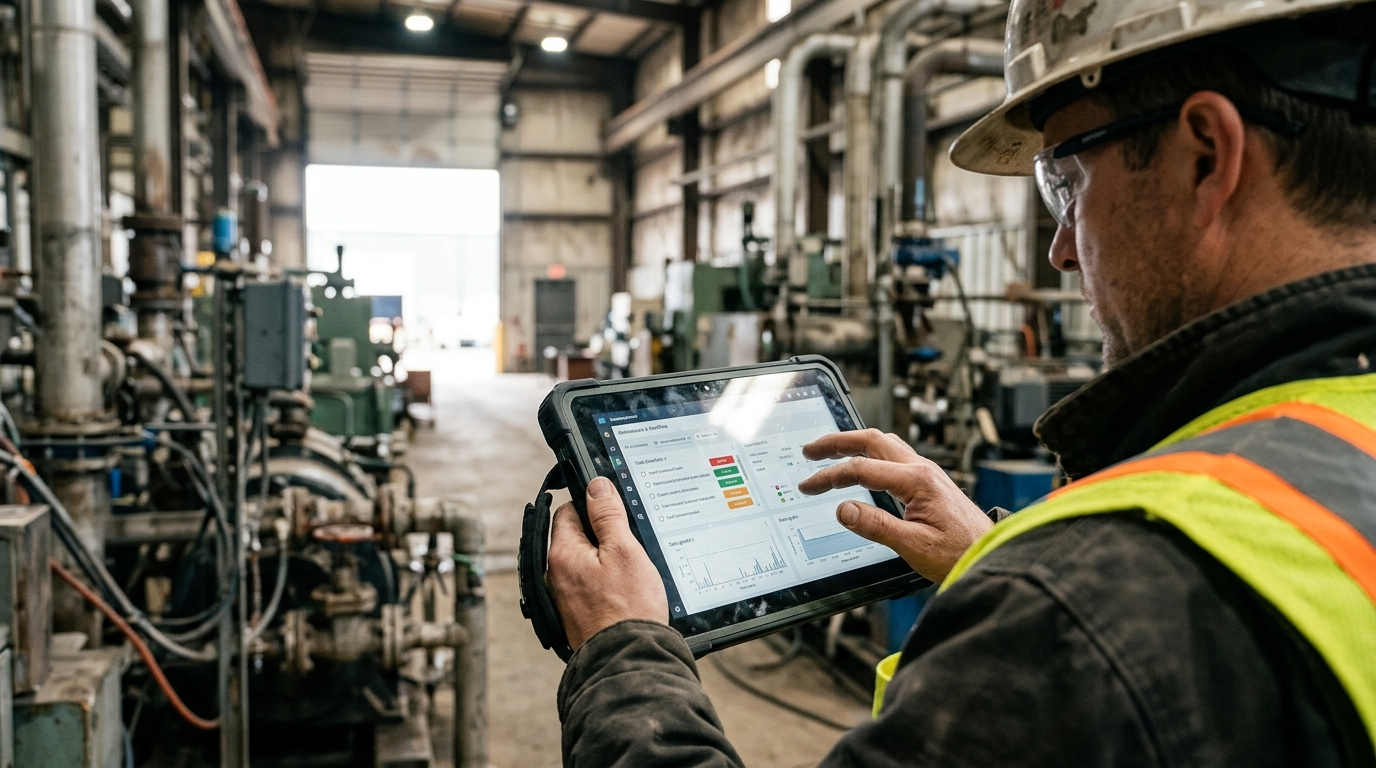
Atheer has unveiled a set of AI agents and workflow tools built specifically for industrial operations, marking a notable departure from the generic chatbot-style AI products that have dominated recent enterprise software launches. The announcement positions the company, long known for frontline worker and connected-worker platforms, to compete in a fast-growing segment of industrial technology where AI must function reliably on noisy factory floors, remote energy sites, and distributed maintenance crews rather than in a clean office environment.
Why Industrial Settings Demand a Different Kind of AI
Most AI agents built for business use have been designed around knowledge work: drafting emails, summarizing documents, or answering customer queries. Industrial operations present a fundamentally different set of problems, where a delayed response or an incorrect instruction can halt production lines, damage equipment, or put workers at risk.
Factory and plant environments also tend to run on a patchwork of older machinery, proprietary sensors, and manual logbooks that were never designed to feed into modern software systems. Any AI tool aimed at this market has to work around those constraints rather than assume the clean, cloud-native data environment that most enterprise AI products take for granted.
This is part of why industrial AI has lagged behind consumer and office applications despite years of investment in automation. Vendors entering this space are increasingly tailoring agents to specific workflows, such as equipment inspection, maintenance scheduling, or compliance documentation, rather than offering a single general-purpose assistant.
Atheer's move follows that pattern, framing its agents around the operational tasks that frontline teams already perform, including guided troubleshooting and standard operating procedure delivery, rather than positioning the technology as a broad replacement for human judgment on the floor.
AI Agents Head From Boardroom to Factory Floor
A Crowded but Still Immature Market
The push into industrial AI agents comes as manufacturers, energy companies, and logistics operators face sustained pressure to do more with fewer skilled workers. Aging workforces in many industrial sectors, combined with difficulty recruiting younger technicians, have made tools that can capture institutional knowledge and guide less experienced staff increasingly attractive to operations leaders.
Several established industrial software providers and a wave of newer startups have been building similar offerings, often bundling AI agents with existing connected-worker or asset-management platforms rather than selling AI as a standalone product. That consolidation trend suggests buyers are wary of adding yet another disconnected tool to already complex technology stacks on the shop floor.
Enterprise technology observers have noted a similar pattern in adjacent sectors, where businesses are rethinking long-standing systems through an AI lens rather than bolting AI onto old processes. The approach mirrors how companies have begun rethinking traditional phone-based customer interactions with AI-driven alternatives, applying the same logic of replacing rigid, rules-based systems with more adaptive, context-aware tools.
Whether industrial buyers will pay a premium for purpose-built AI agents, or wait for the technology to mature further before committing budget, remains an open question across the sector.
Implementation Challenges Beyond the Technology Itself
Deploying AI agents in industrial settings involves more than technical integration. Workforce acceptance is a persistent obstacle, particularly among experienced technicians who may view AI recommendations with skepticism if the tools cannot clearly explain their reasoning or account for site-specific quirks that only years of hands-on experience would reveal.
Regulatory and safety considerations also loom larger in industrial contexts than in typical office software rollouts. Agents that interact with physical equipment or guide workers through hazardous procedures face a higher bar for reliability, auditability, and liability than a tool that merely drafts a document or schedules a meeting.
Connectivity remains another practical constraint, since many industrial sites, from offshore platforms to remote mining operations, lack the consistent broadband access that cloud-based AI agents typically require. Vendors addressing this market increasingly need to offer offline or edge-computing capabilities alongside their core AI features.
These challenges echo broader patterns seen across enterprise technology adoption, where companies such as cloud and AI integration specialists have found that translating AI ambition into measurable operational results requires far more groundwork than deploying the underlying models themselves.
The broader significance of this launch lies less in any single product and more in what it signals about where enterprise AI investment is heading next. Office productivity tools captured the first wave of generative AI attention, but the operational and physical-world applications represent a much larger, more complex, and arguably more consequential market, one where the margin for error is measured in safety incidents and production losses rather than minor inconvenience.
Atheer's entry into purpose-built industrial AI agents adds to a growing field of vendors betting that operations teams, not office workers, will define the next phase of enterprise AI spending. Success will likely hinge less on the sophistication of the underlying models and more on how well providers address the practical realities of legacy infrastructure, workforce trust, and safety accountability that distinguish industrial environments from the corporate office.
⭐
Business Spotlight
This article is a premium Business Spotlight feature — an in-depth profile with priority homepage placement. Contact us to be featured.
Stay Ahead of the News
Get the latest business news and company spotlights delivered to your inbox. No spam, unsubscribe any time.