Kingjoy Group, long known for camera tripods and photography accessories, is repositioning itself as a manufacturer of precision support systems for broadcast, medical, and industrial clients
The move reflects a broader pattern among consumer hardware makers seeking steadier, higher-margin business-to-business revenue as consumer electronics markets mature
The shift raises questions about how a company built on a commodity product category can compete against established industrial equipment suppliers
A company best known for the tripods under many amateur photographers' cameras is now positioning itself as a supplier to hospitals, television studios, and factory floors. Kingjoy Group, a manufacturer historically associated with consumer and prosumer camera support equipment, says it is expanding its engineering focus toward precision support systems built for professional and industrial applications. The announcement signals an attempt to move beyond a crowded, low-margin consumer category into sectors where reliability and specification, not price, often decide contracts.
A Manufacturer Redefines Its Core Product
Tripods and camera mounts have traditionally been sold as accessories: inexpensive, widely available, and often undifferentiated beyond materials and load capacity. That business model has become harder to sustain as consumer camera sales have declined in favor of smartphones, compressing demand for the accessory market that once supported companies like Kingjoy.
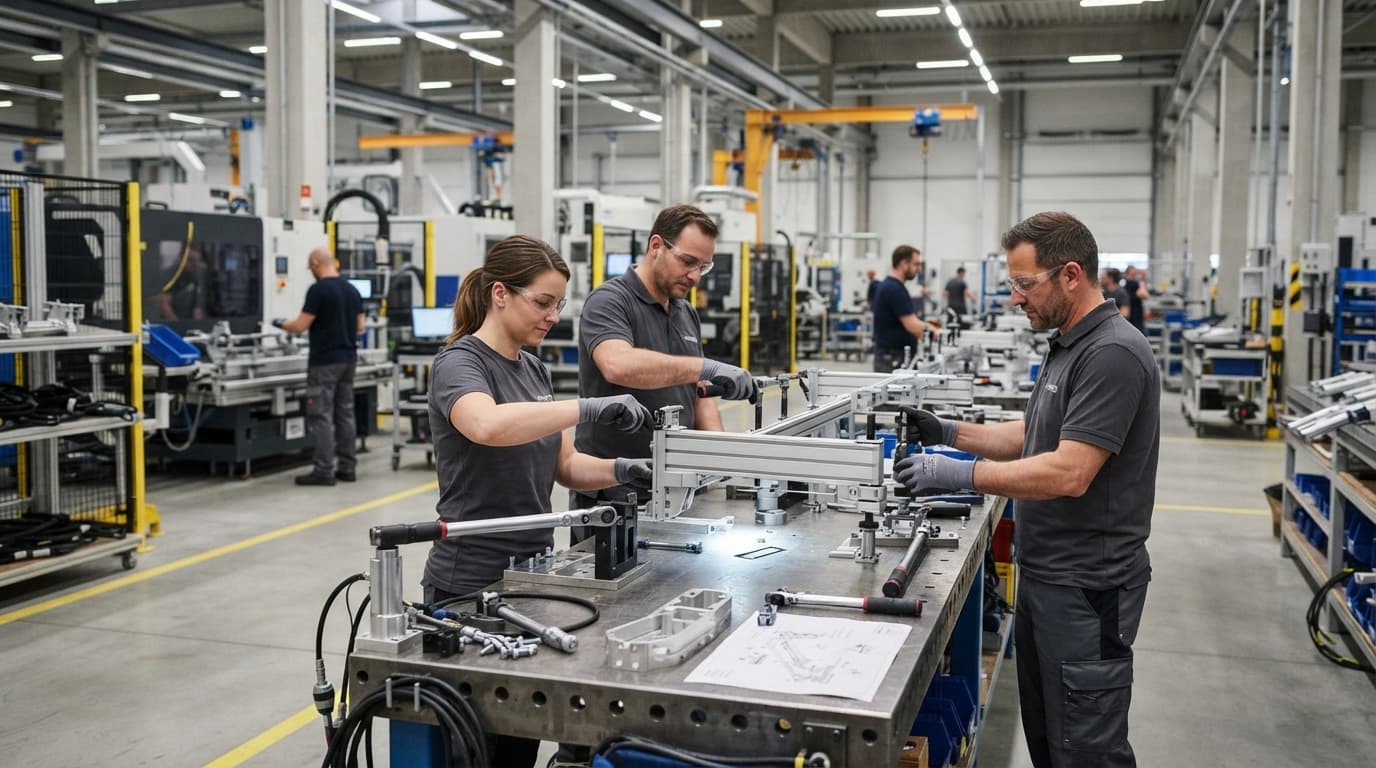
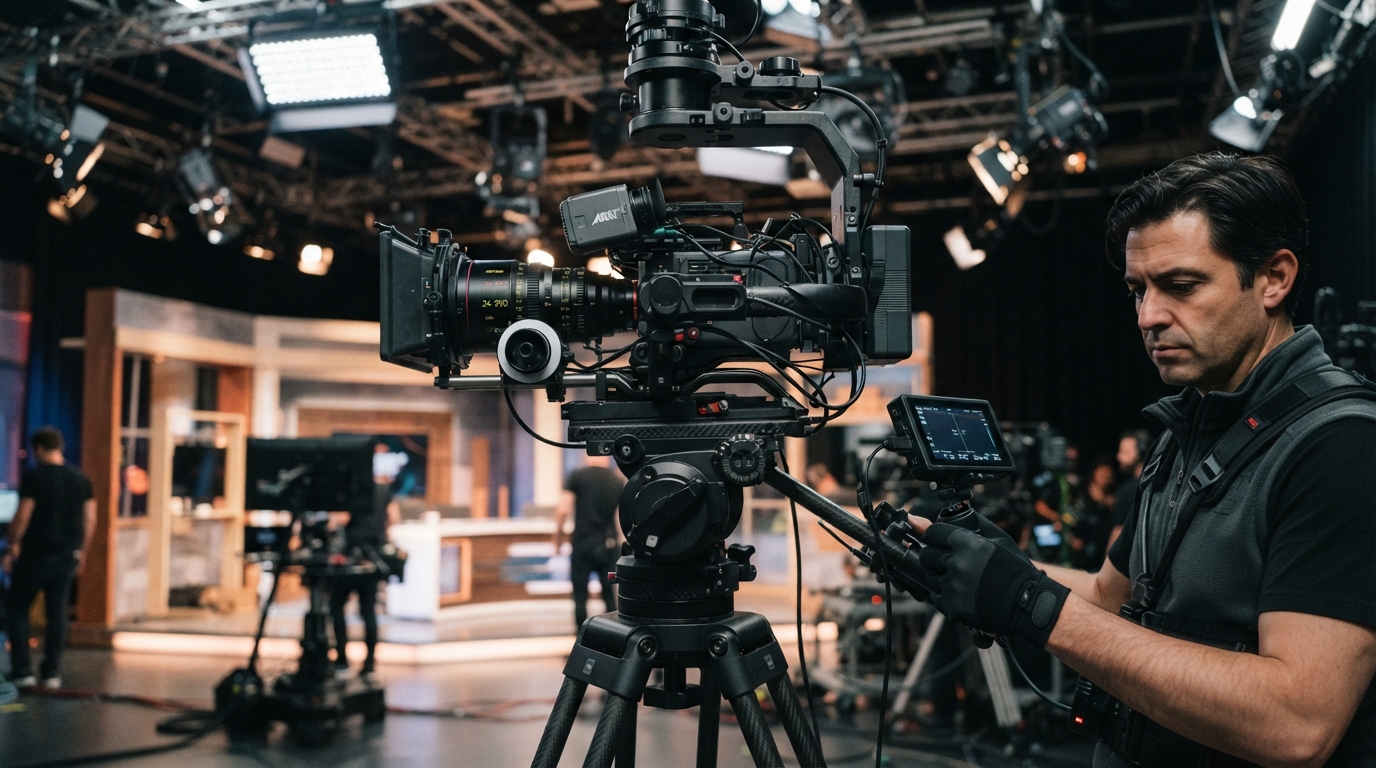
By reframing its output as "precision support systems" rather than tripods, the company is signaling a shift in both engineering standards and target buyers. Broadcast studios, medical imaging equipment, and industrial inspection systems all require mounting and stabilization hardware, but with tolerances, certifications, and durability requirements that far exceed a photography tripod sold to a hobbyist.
This is not simply rebranding. Moving into these sectors typically requires different manufacturing processes, quality control systems, and sometimes regulatory compliance that consumer product lines never had to meet. Whether Kingjoy has made those underlying investments, rather than just repositioning existing product lines, will determine whether the strategy is credible to industrial buyers.
Companies attempting this kind of transition often find that brand recognition built in one market does not automatically transfer to another. Industrial and medical procurement teams tend to prioritize long-term supplier relationships, documented reliability, and after-sales support over the price competitiveness that defines consumer accessory markets.
Kingjoy's Bet: Precision Hardware Beyond Camera Tripods
Why Consumer Hardware Makers Are Chasing B2B Contracts
Kingjoy's pivot fits a pattern visible across consumer electronics manufacturing more broadly. As smartphone cameras have absorbed casual photography demand, makers of camera-adjacent accessories have faced shrinking addressable markets and thinner margins, pushing many toward diversification.
Video production has not disappeared, however; it has simply moved. Live-streaming, corporate video, and short-form content platforms have created new demand for stabilization and mounting equipment, even as traditional camera sales soften. The rise of vertical-video formats and rapid-turnaround content, illustrated by the surge in short-form video production infrastructure serving platforms like TikTok, has kept demand alive for support gear even as the buyer profile shifts from hobbyists to production companies and studios.
Industrial and medical markets offer a different appeal: longer product cycles, higher price tolerance, and less exposure to the rapid commoditization that defines consumer electronics accessories. For a manufacturer with existing metalworking, tooling, and assembly capacity, retooling toward these sectors can be a logical way to use existing infrastructure for steadier contracts, even if the transition carries real technical and commercial risk.
Competing Against Established Industrial Suppliers
Entering broadcast, medical, or industrial equipment markets means competing against suppliers who have served those sectors for decades and built relationships with regulators, hospital procurement offices, and studio engineers. Established industrial hardware brands often carry certifications and track records that new entrants cannot replicate quickly, regardless of manufacturing capability.
Trade shows such as CES have increasingly become venues where camera and imaging accessory makers showcase professional-grade equipment alongside consumer products, reflecting the industry's attempt to blur the line between hobbyist and professional-grade hardware. Whether that crossover translates into genuine contracts with hospitals or broadcasters, rather than just marketing exposure, remains an open question for any manufacturer making this pivot.
There is also a broader manufacturing context to consider. Precision hardware for regulated industries typically demands documented supply chain traceability and consistent quality control across production runs, standards that differ meaningfully from consumer accessory manufacturing, where minor variance is more tolerable. Manufacturers making this jump often need years, not quarters, to build the certifications and reference customers that industrial buyers expect before committing to long-term supply contracts.
Kingjoy's shift toward precision support systems reflects a wider recalibration among consumer hardware manufacturers seeking sturdier revenue outside saturated consumer categories. The strategy carries genuine upside if execution matches ambition, but broadcast, medical, and industrial buyers set a higher bar than photography enthusiasts ever did. How quickly Kingjoy can prove reliability in these new sectors, rather than simply announce intent, will determine whether this becomes a durable business shift or a marketing exercise.
⭐
Business Spotlight
This article is a premium Business Spotlight feature — an in-depth profile with priority homepage placement. Contact us to be featured.
Stay Ahead of the News
Get the latest business news and company spotlights delivered to your inbox. No spam, unsubscribe any time.