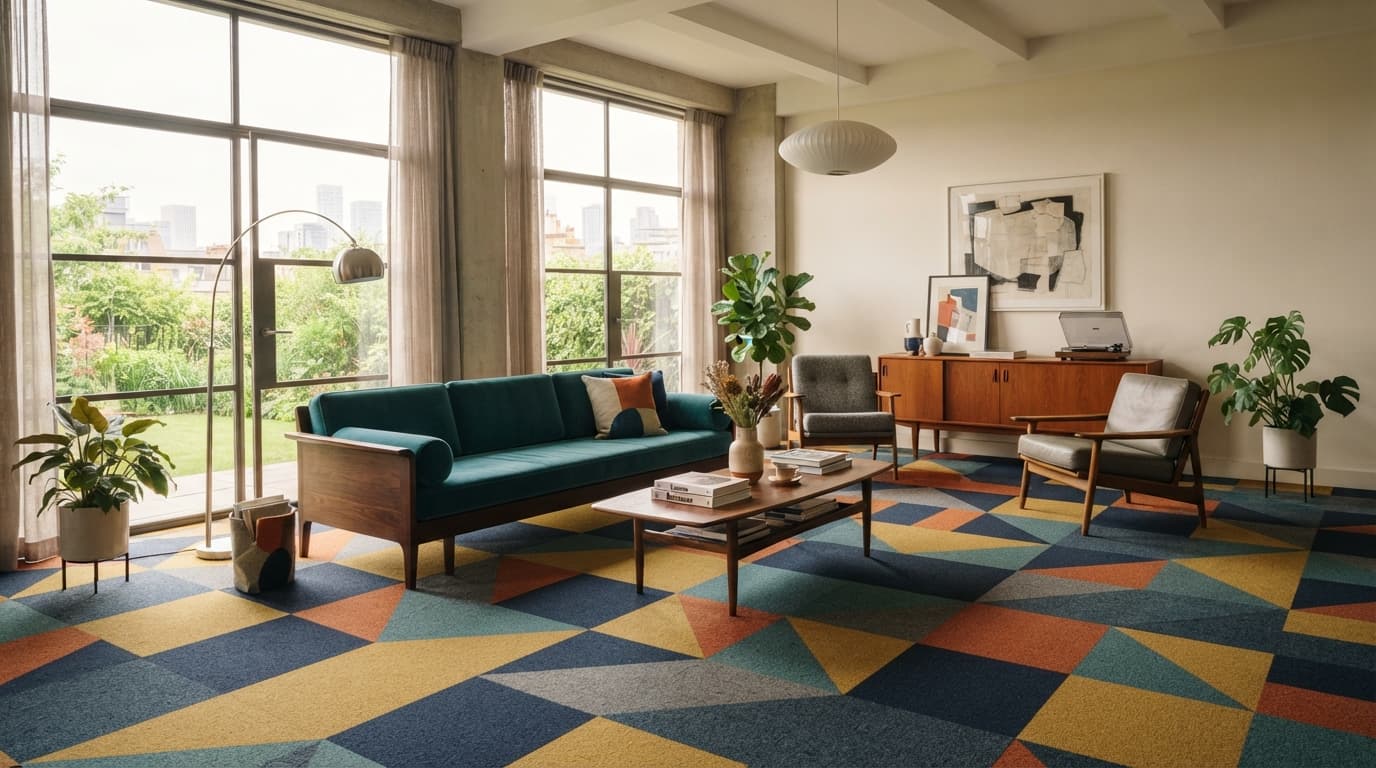
FLOR has expanded its multi-year design partnership with fashion label Trina Turk, adding new carpet tile patterns and colorways to its home flooring range
The tie-up reflects a broader shift of apparel and lifestyle designers into home goods, as brands chase revenue outside crowded fashion retail
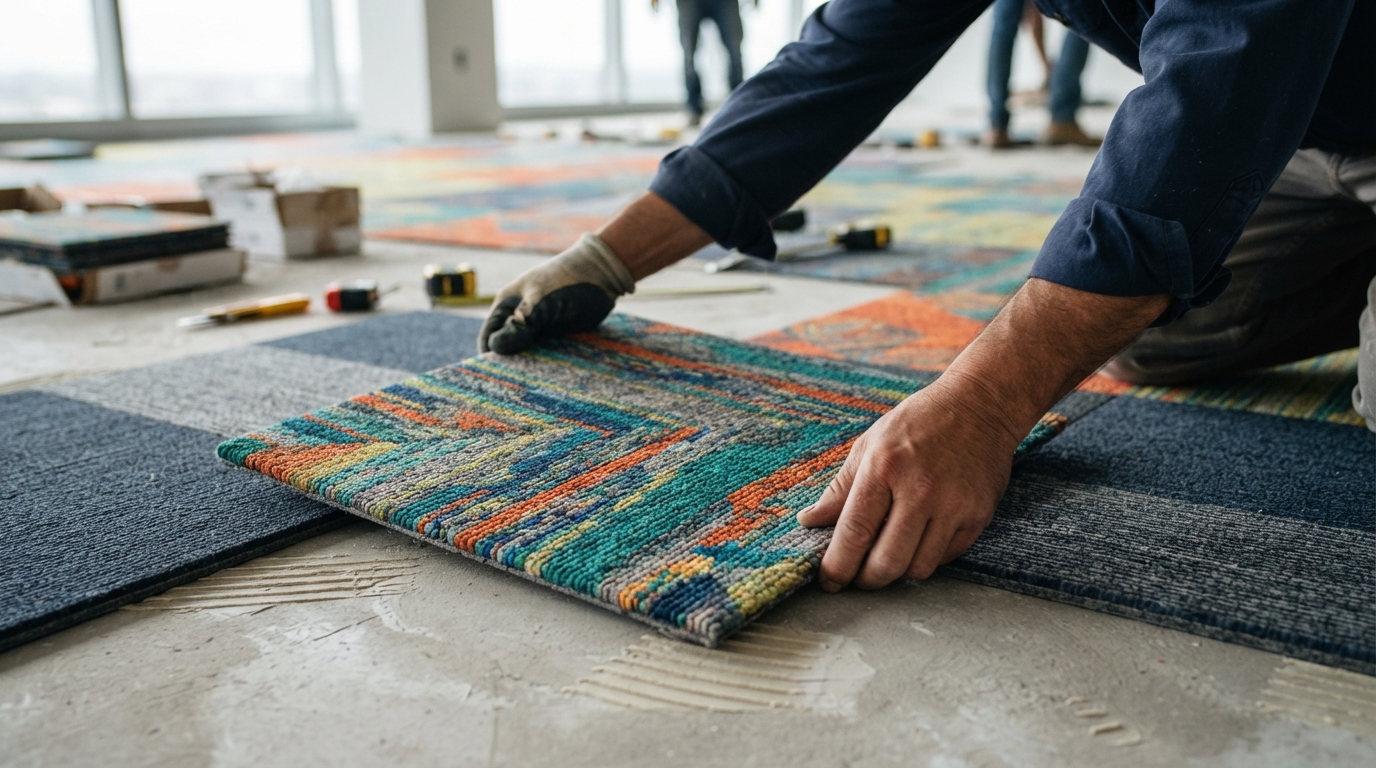
Modular carpet tiles remain central to the pitch, letting shoppers replace single damaged squares rather than entire carpets, a durability argument increasingly tied to sustainability messaging
Carpet tile maker FLOR has widened its design collaboration with fashion brand Trina Turk, introducing an expanded set of patterns and colorways aimed at bringing runway-style prints into residential and light commercial flooring. The move extends a partnership the two companies have run for several years, and it arrives as home furnishings brands increasingly look to fashion designers to differentiate products in a flooring market that has traditionally competed on price and durability rather than design identity.
Why Fashion Brands Are Moving Onto the Floor
The FLOR-Trina Turk expansion is not an isolated event. Furniture, textile and flooring companies have spent much of the past decade recruiting fashion and lifestyle designers to put a recognizable name and aesthetic on categories that once relied on generic patterning. Missoni Home, Diane von Furstenberg's fabric lines and various designer collaborations with rug makers all follow a similar logic: apparel brands have loyal customer bases and strong visual identities, and home goods companies want a shortcut to both.
For Trina Turk, known for bold color palettes and resort-inspired prints, flooring offers a way to extend brand recognition into a category outside apparel where growth has plateaued for many mid-sized designers. For FLOR, the arrangement offers a design credibility that is difficult and slow to build internally, particularly for a company selling a product category — carpet tiles — that many consumers still associate with offices rather than living rooms.
The expanded range signals that the initial collaboration performed well enough commercially to justify further investment, an outcome that is not guaranteed in designer tie-ups, many of which are discontinued after a single limited run.
Fashion Houses Are Redesigning the Floor Beneath Us
The Sustainability Argument Behind Modular Carpet
FLOR's core product concept — carpet sold as individual, replaceable tiles rather than continuous rolls — has long been marketed as a practical and environmental advantage over broadloom carpet. If a section becomes stained, worn or damaged, a homeowner can swap out a single tile instead of replacing an entire room's flooring, reducing material waste over the life of the product.
This pitch has gained relevance as flooring manufacturers across the industry face pressure to address the environmental footprint of carpet production and disposal, a long-standing concern given that most conventional carpet is petroleum-derived and much of it ends up in landfill. FLOR's parent business, Interface, has built part of its corporate identity around sustainability commitments in flooring manufacturing, and the modular tile format fits into that broader positioning even as the Trina Turk collaboration itself is framed primarily around design rather than environmental claims.
Whether consumers weigh sustainability heavily in a flooring purchase driven mainly by aesthetics is an open question, but the argument gives FLOR a differentiator that rivals selling only broadloom carpet or hard flooring cannot easily match.
What the Collaboration Signals for Home Design Retail
The broader home furnishings sector has increasingly borrowed strategies from fashion retail, including limited-run collections, seasonal color drops and designer names attached to otherwise commodity products. This mirrors trends already visible in other consumer categories where established brands seek partnerships to reach new audiences quickly rather than build design capability from scratch, a pattern also seen when technology firms pursue partnerships to accelerate capability, as with Wishtree Technologies' partnership with Databricks to fast-track AI development rather than building it independently.
For flooring specifically, the strategy carries some risk. Carpet is a considered, infrequent purchase, and pattern-driven designer collections can date quickly compared with neutral, long-life flooring choices that dominate resale-conscious markets. Companies betting heavily on designer collaborations must balance short-term design excitement against the reality that flooring, unlike a dress or handbag, is expected to remain in place and in style for years.
Still, the willingness of FLOR to expand rather than retire the Trina Turk line suggests the collaboration has found a customer segment willing to treat flooring more like an apparel purchase — refreshed periodically, chosen for pattern and color, and tied to a recognizable designer name rather than pure function.
The expanded FLOR and Trina Turk range adds to a growing list of fashion-to-home crossovers testing whether designer identity can move commodity categories upmarket. Its success will likely depend less on the initial novelty of the patterns than on whether repeat customers return for future seasonal drops, a test that will determine if flooring becomes a durable extension of fashion retail or remains a one-off marketing exercise for brands on both sides of the partnership.
⭐
Business Spotlight
This article is a premium Business Spotlight feature — an in-depth profile with priority homepage placement. Contact us to be featured.
Stay Ahead of the News
Get the latest business news and company spotlights delivered to your inbox. No spam, unsubscribe any time.