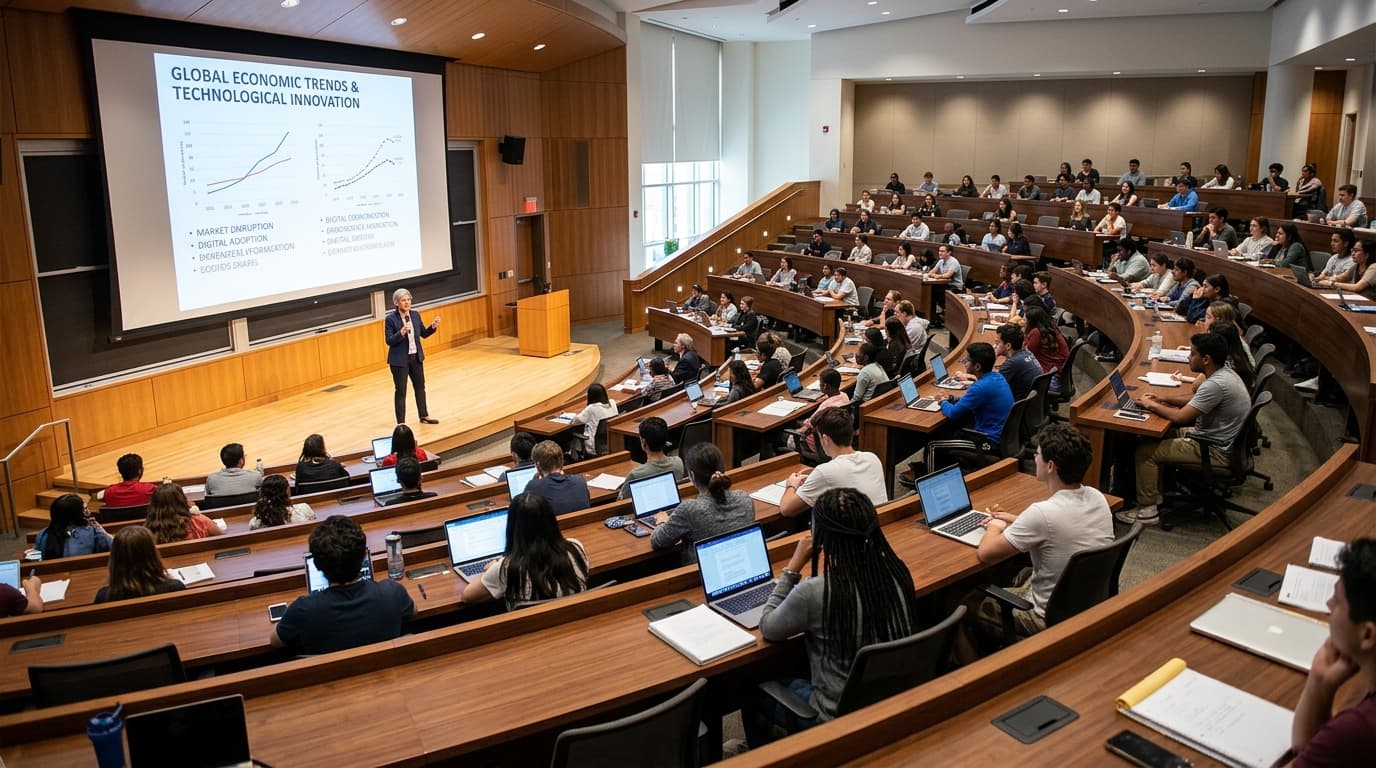
Retired Regents Professor Dr. Joseph G. Martinez shares educational insights.
The feature highlights the intersection of mathematics and psychology.
Media platforms provide new avenues for academic knowledge transfer.
Dr. Joseph G. Martinez, a retired Regents Professor at the University of New Mexico, recently appeared on a national broadcast to discuss the state of modern education. The feature on Close Up Radio highlighted his long-standing career and his contributions to the field of educational psychology. Martinez used the platform to address the evolving needs of students and the necessity for improved instructional methods. This appearance marks a significant moment for the academic community as veteran educators find new ways to share institutional knowledge.
Pedagogy and the Evolution of Mathematics Instruction
During his tenure at the UNM College of Education, Martinez focused on the psychological barriers that prevent students from mastering mathematics. He identified that many learners suffer from high levels of anxiety when faced with numerical problems. His research suggested that instructional techniques must adapt to these emotional responses to be effective. This approach shifted the focus from rote memorization to a more empathetic form of teaching.
The professor published several works that challenged the traditional standards of mathematical instruction. He argued that the logic of math is inherently tied to human language and emotional development. By integrating these elements, educators can create a more supportive environment for complex learning. Many of his theories have since been adopted by teacher preparation programs across the United States.
The academic sector has seen a steady increase in the demand for specialized pedagogical strategies. Data from the American Educational Research Association suggests that student engagement levels are directly linked to the psychological comfort provided by the instructor. Martinez’s work provided a foundation for these modern studies. His retirement has not slowed his efforts to advocate for these essential changes in the classroom.
The transition from active teaching to advisory roles allows retired professors to influence the broader educational market. Martinez remains a sought-after voice for his ability to translate complex psychological concepts into practical teaching tools. His appearance on Close Up Radio served as a reminder of the lasting impact of his research. The broadcast reached a wide audience of professionals interested in the future of human development.
"The intersection of cognitive psychology and mathematics instruction is where we find the most significant opportunities for student growth. We must look beyond the numbers to understand the human mind that processes them."
— Dr. Joseph G. Martinez, Retired Regents Professor at University of New Mexico
Dr. Joseph G. Martinez Discusses Pedagogy on Close Up Radio
The Psychological Framework of Student Success
Martinez has long emphasized that educational success is not merely a product of intelligence but of instructional design. He spent years examining how different demographics react to various teaching styles. This research helped identify specific patterns in how information is retained over long periods. His findings suggest that a one-size-fits-all approach is often detrimental to long-term academic health.
The National Center for Education Statistics has frequently noted the disparities in mathematics achievement across different school districts. Martinez argued that these gaps are often the result of outdated pedagogical models. He proposed that by focusing on the 'Mathematics of Love,' teachers could build stronger connections with their pupils. This philosophy encourages a positive emotional association with challenging subjects.
In the private sector, educational consulting firms are increasingly looking to these psychological frameworks to build better software. The rise of digital learning platforms requires a deep understanding of how students interact with non-human interfaces. Martinez’s theories provide a blueprint for creating digital tools that maintain a human-centric focus. This bridge between academia and technology is a growing area of economic activity.
State-level education boards are also reviewing their standards to include more psychological support for students. The influence of Regents Professors like Martinez is evident in these policy shifts. By prioritizing the mental well-being of the learner, schools are seeing improved test scores and graduation rates. This trend reflects a broader recognition of the value of educational psychology in the public sphere.
The cost of remedial education remains a significant burden on state budgets. Martinez’s methods aim to reduce this financial strain by ensuring students succeed during their initial instruction. Improved teaching leads to higher efficiency in the use of public funds. This economic perspective highlights the practical benefits of high-level academic research.
Media Platforms and the Dissemination of Expertise
The role of media in professional recognition has changed significantly over the last decade. Platforms like Close Up Radio allow experts to bypass traditional academic journals to reach the general public. This direct communication helps demystify complex subjects like educational psychology. It also provides a space for retired professionals to maintain their influence in their respective fields.
Public interest in expert commentary has grown as people seek reliable information in a crowded digital environment. Martinez’s interview provided a clear and authoritative voice on the challenges facing modern schools. The format of a radio interview allows for a more personal connection with the audience. Listeners can hear the passion and experience that a veteran educator brings to the conversation.
For the business community, these broadcasts represent an opportunity to identify thought leaders for future collaborations. Consulting firms often scout media appearances to find experts for board positions or advisory roles. Martinez’s wealth of knowledge makes him a valuable asset for organizations looking to improve their training programs. His ability to articulate the needs of both teachers and students is a rare and useful skill.
The dissemination of expertise through media also benefits the universities where these professors once taught. UNM continues to gain recognition through the ongoing achievements and public presence of its retired faculty. This halo effect helps attract new talent and research funding to the institution. It demonstrates that the university produces leaders whose influence extends far beyond the campus borders.
As more academics utilize these platforms, the barrier between the ivory tower and the public continues to dissolve. This transparency is vital for building trust in educational institutions. Martinez’s willingness to share his career insights helps the public understand the rigor and dedication required for high-level research. It also inspires the next generation of educators to pursue original ideas.
Economic Implications of Educational Leadership
The business of education is a multi-billion dollar industry that relies heavily on the quality of its leadership. Retired professors like Martinez contribute to this industry by providing the intellectual capital needed for growth. Their insights drive the development of new textbooks, software, and training modules. This continuous cycle of improvement is essential for maintaining a competitive workforce.
Investment in teacher development is a primary driver of economic stability in many regions. According to the Bureau of Labor Statistics, the demand for postsecondary teachers is expected to grow as more people seek advanced degrees. Martinez’s work ensures that these future teachers are equipped with the best possible methods. This preparation leads to better outcomes for the students they will eventually teach.
Corporate training programs also benefit from the principles established by educational psychologists. Many companies are adopting Martinez’s ideas to improve their internal professional development sessions. By understanding the psychology of learning, businesses can train their employees more effectively. This leads to higher productivity and a more adaptable staff in a changing market.
The philanthropic sector also looks to established experts when deciding where to allocate grants. Martinez’s public presence helps draw attention to the need for continued funding in education research. His advocacy highlights the long-term societal benefits of investing in the pedagogical arts. These investments often yield significant returns in the form of a more educated and capable citizenry.
The legacy of a Regents Professor is measured by the success of their students and the endurance of their ideas. Martinez has left a lasting mark on the UNM College of Education and the broader academic community. His recent media feature ensures that his message will continue to resonate for years to come. The intersection of education, psychology, and business remains a fertile ground for future development.
The appearance of Dr. Joseph G. Martinez on Close Up Radio serves as a significant milestone for his post-retirement career. It highlights the enduring relevance of his research into mathematics and educational psychology. As the educational sector continues to adapt to new challenges, the insights of veteran professors remain a vital resource. The ongoing dialogue between academia and the public is essential for the continued improvement of teaching standards and student success across the nation.
⭐
Business Spotlight
This article is a premium Business Spotlight feature — an in-depth profile with priority homepage placement. Contact us to be featured.
Stay Ahead of the News
Get the latest business news and company spotlights delivered to your inbox. No spam, unsubscribe any time.