Egyptian academics have produced what is described as an early study tracing Saudi Arabia's social and economic shifts through the lens of its entertainment sector
The research frames cinemas, concerts and festivals as measurable indicators of Vision 2030-era liberalization rather than standalone leisure offerings
Analysts say the approach reflects a broader trend of using consumer behavior and cultural policy as proxies for economic diversification across the Gulf
An academic study originating in Egypt has set out to measure Saudi Arabia's rapid social and economic change not through conventional indicators such as employment or trade data, but through the growth of its entertainment industry. The research treats cinemas, concerts, festivals and leisure venues as data points reflecting a wider national transformation tied to the kingdom's Vision 2030 reform program, offering a framework that researchers describe as new in its focus on culture as an economic signal.
Entertainment as an Economic Proxy
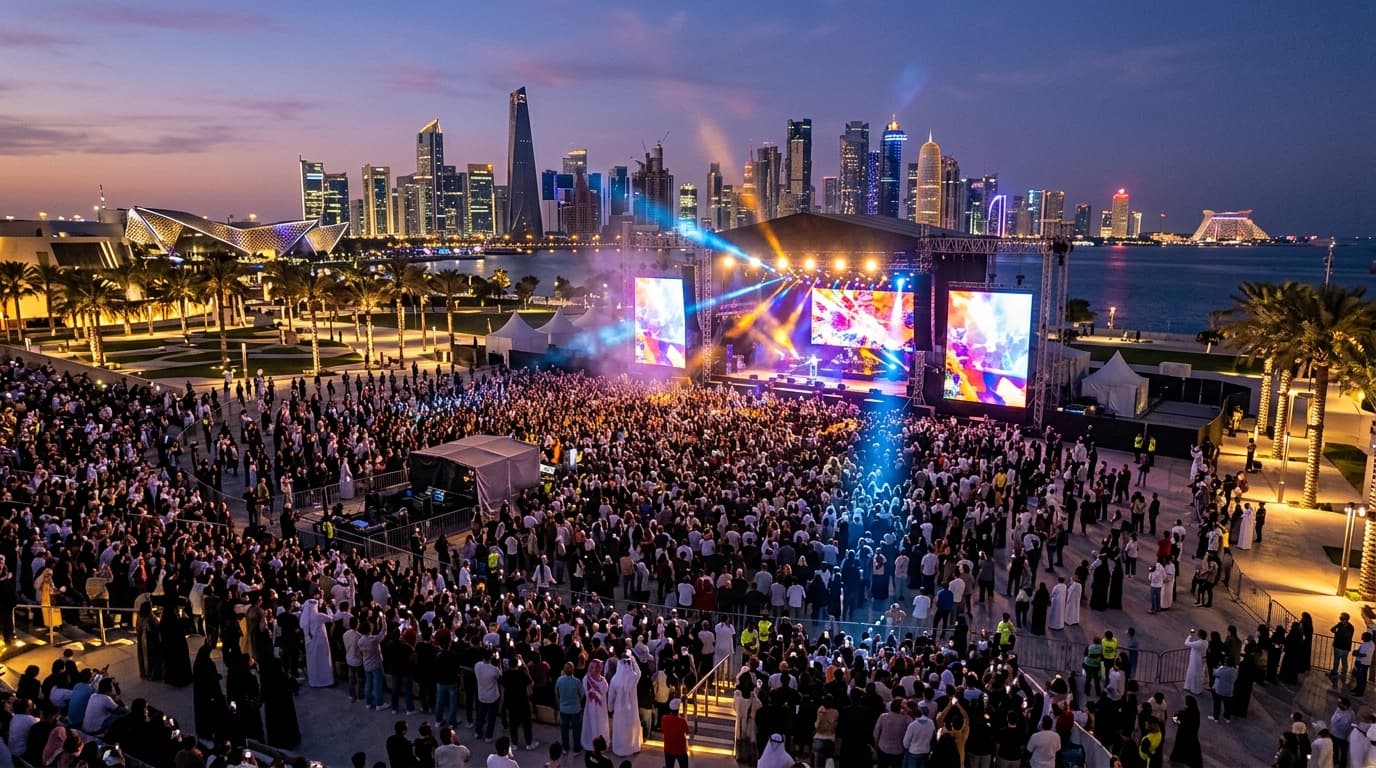
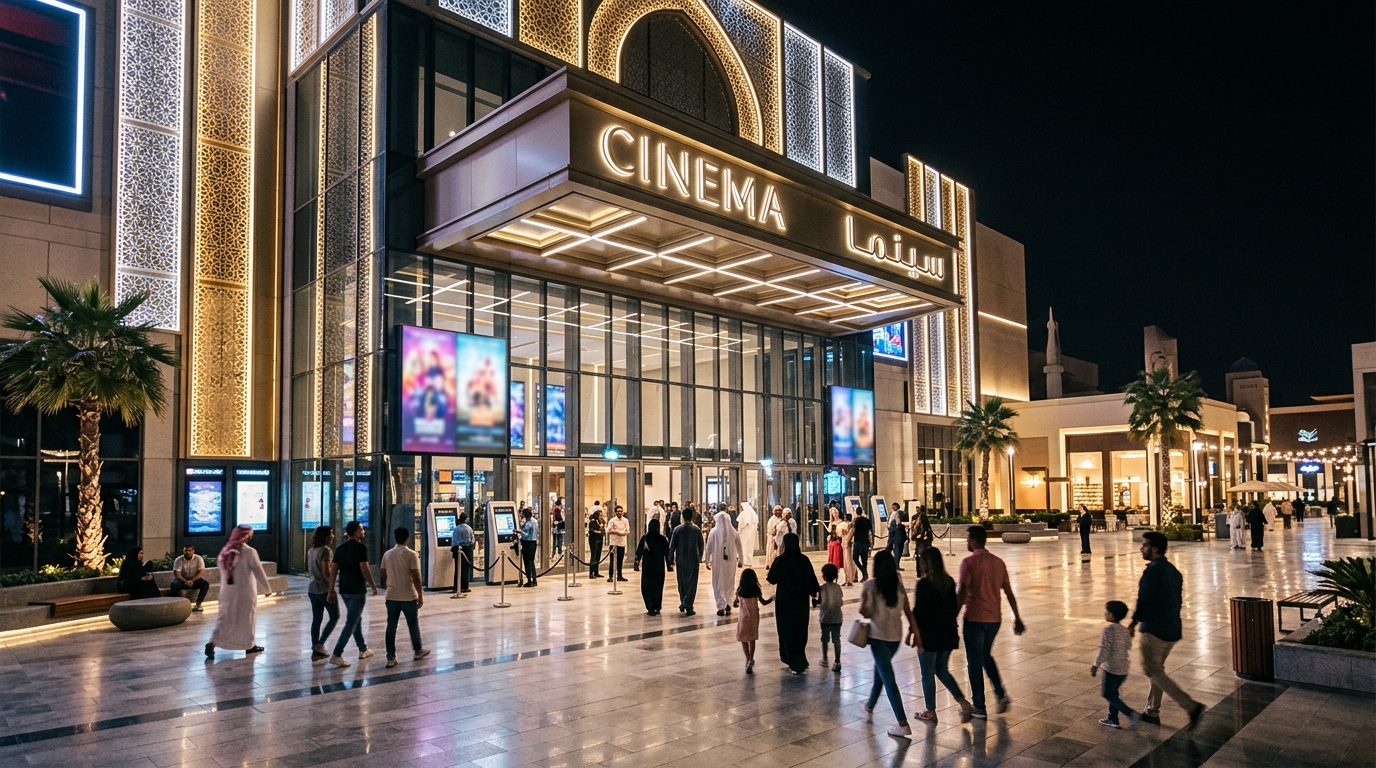
Saudi Arabia's entertainment sector was effectively dormant for decades before a series of policy reversals beginning around 2016 opened the door to public cinemas, mixed-gender concerts and large-scale festivals. The reintroduction of commercial cinema in 2018, after a ban lasting roughly 35 years, is widely cited as the clearest marker of that shift.
The Egyptian study positions such developments as more than cultural curiosities. It argues that consumer spending on leisure, the frequency of public events and the expansion of entertainment infrastructure can be read as indirect measures of changing social norms, rising disposable income and government willingness to loosen long-standing restrictions.
This framing aligns with how multilateral bodies increasingly study economic diversification in oil-dependent economies. Institutions such as the International Monetary Fund have repeatedly flagged non-oil sector growth, including tourism and entertainment, as a key test of whether Gulf diversification strategies are translating into durable economic change rather than one-off spending programs.
By treating entertainment data as a proxy for broader reform, the study attempts to quantify something that is often discussed qualitatively: whether a society's daily life is actually changing, not just its headline statistics.
Cairo Researchers Read Saudi Reform Through Box Office
Vision 2030 and the Entertainment Build-Out
Saudi Arabia's Vision 2030 plan, launched in 2016, set explicit targets for reducing the kingdom's dependence on oil revenue and increasing household spending on domestic leisure. The creation of the General Entertainment Authority that same year gave the state a dedicated body to license, regulate and promote events ranging from concerts to esports tournaments.
High-profile projects have followed, including Riyadh Season, an annual multi-month entertainment program, and large music festivals such as MDLBEAST Soundstorm. Giant tourism and leisure developments, including the Qiddiya entertainment city project near Riyadh, are also designed to anchor long-term demand for domestic entertainment spending rather than relying on short-term events.
These initiatives sit alongside parallel reforms affecting women's participation in public life, including changes to guardianship rules and workforce participation, which the study's framing suggests are interconnected with the loosening of entertainment restrictions rather than occurring in isolation.
Why an Egyptian Study on Saudi Reform Matters
The fact that this research originates in Egypt is notable in itself. Egypt and Saudi Arabia are both anchors of the wider Middle East and North Africa economy, and Egyptian academics and media have long tracked Gulf labor markets, investment flows and reform programs given the scale of Egyptian expatriate employment in Saudi Arabia and other Gulf states.
A study of this kind also reflects a broader pattern in business and economic journalism: using sector-specific data, whether in entertainment, retail or technology, as an early warning system for structural change that may not yet appear in formal statistics. This mirrors how analysts elsewhere have used shifts in niche industries to flag turning points, a method also visible in sectors such as specialized materials adoption, where consumer and commercial uptake patterns often precede formal policy recognition of a trend.
Independent researchers examining Gulf economies have generally cautioned that entertainment spending, while a useful signal, is not on its own sufficient evidence of diversification. Oil revenue still represents a substantial share of Saudi government income, and large capital-intensive entertainment projects require sustained investment and tourist inflows to prove commercially viable over the long term, something that will only become clear over several more years.
What Comes Next for Gulf Diversification Tracking
The entertainment-as-indicator approach is likely to attract interest from economists and policy analysts who track Gulf reform beyond headline GDP figures. If adopted more widely, similar methodologies could be applied to other diversifying economies in the region, including the United Arab Emirates and Qatar, both of which have also expanded tourism and cultural programming as part of broader economic strategies.
For businesses considering entry into the Saudi market, studies of this nature offer a way to assess consumer readiness and regulatory direction that goes beyond official investment statistics. Entertainment demand, ticket pricing trends and venue expansion can serve as early signals of where disposable income and regulatory openness are heading next, information increasingly valuable in a market where businesses weigh entry decisions in part on how effectively digital and operational systems, from cloud and AI-driven business platforms to payment infrastructure, can scale alongside consumer demand.
Whether this particular study gains traction among international economists will depend on how rigorously its methodology withstands scrutiny, and whether its entertainment-based indicators correlate with more traditional economic measures over time.
The study adds an academic dimension to an already closely watched story: Saudi Arabia's attempt to reshape its economy and society simultaneously. Its focus on entertainment as a measurable proxy for reform offers a useful complement to conventional economic data, even if it cannot replace it. As Gulf diversification programs mature, analysts are likely to keep testing unconventional indicators, from concert attendance to cinema receipts, as early signs of whether structural change is taking hold.
⭐
Business Spotlight
This article is a premium Business Spotlight feature — an in-depth profile with priority homepage placement. Contact us to be featured.
Stay Ahead of the News
Get the latest business news and company spotlights delivered to your inbox. No spam, unsubscribe any time.