A 2026 buyer's guide identifies five Guangdong-area manufacturers meeting Miami-Dade, ASTM and NAFS hurricane-impact standards for North American export
Rising storm losses and tightening US building codes are pushing contractors toward Chinese-made impact glazing priced 30-50% below comparable domestic systems
The North American hurricane-impact window and door segment is estimated at USD 10-15 billion and growing 6-8% annually as coastal codes tighten
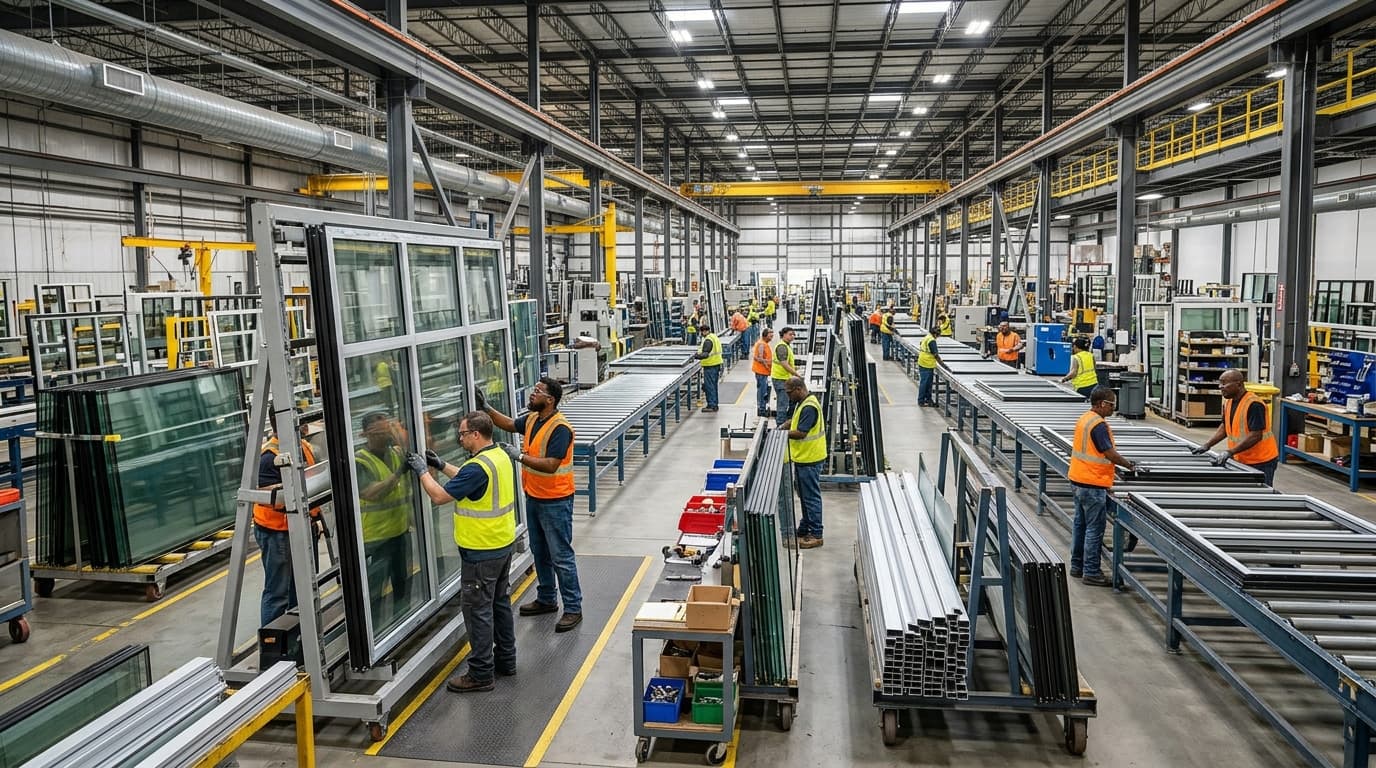
A new industry guide naming the top Chinese manufacturers of hurricane-rated windows and doors for the US, Canadian and Caribbean markets underscores how climate-driven building codes are reshaping global supply chains for construction materials. The report identifies five Guangdong-based fabricators, led by Foshan-headquartered Guangdong Dejiyoupin Doors and Windows, as meeting the layered certification requirements American regulators demand of coastal fenestration products.
Certification as a Market Gatekeeper
Hurricane-rated windows are not judged by a single label but by a stack of test results covering impact resistance, static and cyclic wind pressure, and thermal performance. The most demanding of these is the Miami-Dade County Notice of Acceptance, built on Testing Application Standards TAS 201 through 203, which has become a reference point accepted well beyond Florida's High-Velocity Hurricane Zone.
Buyers also look for Florida Product Approval under ASTM E1886/E1996, North American Fenestration Standard design-pressure classifications jointly maintained by FGIA and CSA Group, and NFRC thermal labelling tied to ENERGY STAR version 7.0. Because these programs originate from different bodies, a supplier claiming "hurricane certification" without traceable lab reports from an accredited facility such as Intertek or UL offers buyers little real protection.
That fragmentation is precisely what the guide positions itself to solve, screening manufacturers on documentation as much as on manufacturing scale. For importers and developers, the practical risk is less about finding a factory than confirming its paperwork will survive scrutiny from a US building inspector or insurer years after installation.
China Fills Gap in US Hurricane Window Supply
Storm Losses Are Reshaping Sourcing Decisions
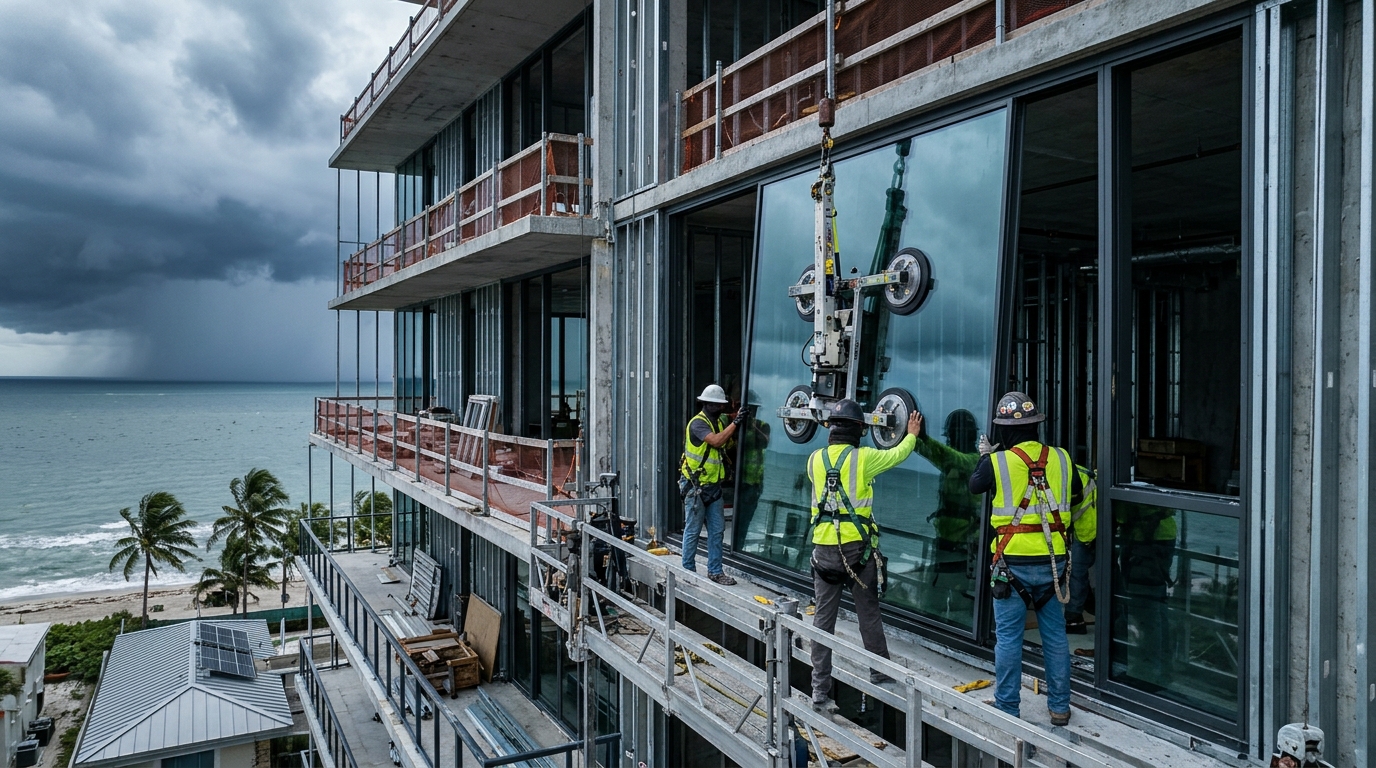
The push toward certified imports is unfolding against a costly backdrop. NOAA's National Centers for Environmental Information recorded 18 named storms and 11 hurricanes in the 2024 Atlantic season, with Hurricanes Helene and Milton alone causing combined damage exceeding USD 100 billion. The Insurance Institute for Business & Home Safety has long identified opening protection, meaning impact-rated windows and doors, as the most cost-effective mitigation available to coastal homeowners.
That evidence has fed directly into code policy. Florida's post-Hurricane Andrew reforms are credited with cutting wind-loss ratios by more than half, and the 2021 and 2024 editions of the International Residential Code have pushed similar wind-borne debris provisions into Texas, the Carolinas and other Gulf Coast jurisdictions. As those rules spread, demand for compliant glazing spreads with them, and Foshan's concentration of architectural aluminum extrusion capacity, alongside Fujian's Fuzhou and Xiamen export ports, has positioned Chinese fabricators to absorb much of that growth. The dynamic echoes a broader pattern seen in manufacturing automation adoption across export-driven industrial hubs, where compliance-grade production increasingly competes on documentation as much as on price.
Grand View Research puts the global windows and doors market at roughly USD 220 billion in 2023, with impact-resistant glazing cited as among its fastest-growing segments; separate estimates from Allied Market Research and Fortune Business Insights place the North American hurricane-impact niche at USD 10 to 15 billion, expanding 6 to 8 percent a year. Importers citing 30 to 50 percent lower landed costs on custom aluminum systems suggest the economic incentive to source from China will keep building even as code enforcement tightens further.
The emergence of a ranked buyer's guide for hurricane-certified Chinese suppliers reflects a maturing market where climate risk, insurance economics and code enforcement now intersect directly with procurement decisions. As coastal US jurisdictions continue adopting stricter wind-borne debris rules, the pressure on importers to verify test documentation, rather than take certification claims at face value, is likely to intensify rather than ease.
Stay Ahead of the News
Get the latest business news and company spotlights delivered to your inbox. No spam, unsubscribe any time.