Malta-based Alkagesta agrees to acquire Turkish marine fuel distributor Energy Petrol, its first-ever vessel ownership deal
Transaction, cleared by Turkey's antitrust regulator, adds eight marine fuel vessels and boosts group storage capacity to roughly 728,000 cubic metres
Deal follows a record first half of 2026 that included NATO pipeline access and the firm's first crude oil trades
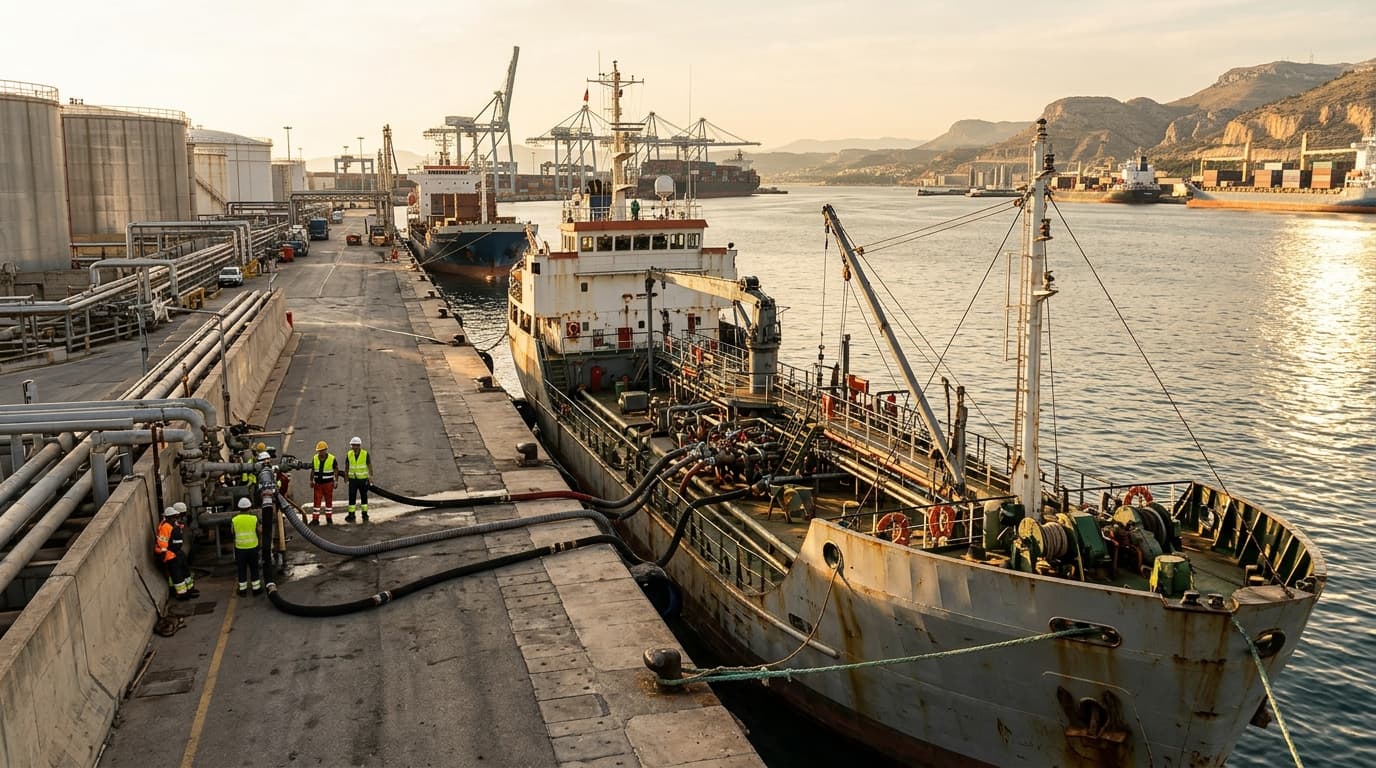
Alkagesta's agreement to acquire Energy Petrol marks more than a routine bolt-on purchase. By taking on a Turkish marine fuel distributor and its fleet of eight vessels, the Malta-headquartered trading house is stepping, for the first time, from the trading desk into the business of physically owning the ships that move fuel to end-users — a shift that changes how the company competes in the Mediterranean bunkering market.
From Paper Trades to Physical Assets
Marine fuel trading houses have traditionally made their margins by buying and selling cargoes, arranging logistics, and managing price risk without owning the vessels that deliver the product. Alkagesta's move into vessel ownership through the Energy Petrol deal breaks from that pattern, giving it direct control over the final link in the supply chain reaching shipowners and operators.
The acquisition, first reported by Bloomberg, has already cleared Turkey's antitrust authority, and financial terms have not been disclosed. Energy Petrol will keep operating independently after the deal closes, suggesting Alkagesta is prioritising continuity of service and local market relationships over rapid integration.
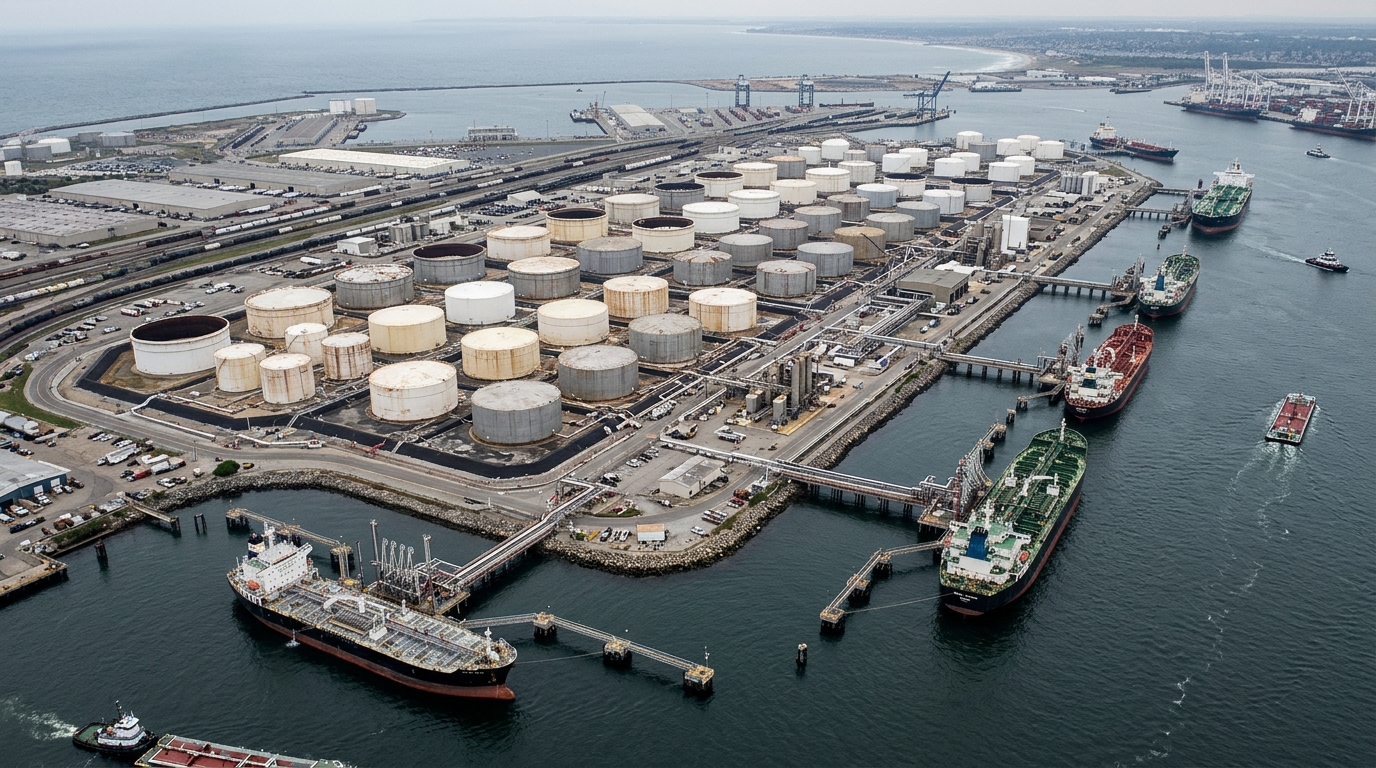
The addition lifts total global oil products storage capacity across the Alkagesta platform to approximately 728,000 cubic metres, a figure that underscores how quickly the company has scaled its physical footprint alongside its trading operations.
"The acquisition lays the ground for potential future investments or structured partnerships in other infrastructure-style assets."
— Asad Huseynov, Managing Director of Investments and Asset Management at Alkagesta
Alkagesta Shifts From Trading to Owning Fuel Ships
A Market Alkagesta Already Dominates
Turkey is not a new frontier for Alkagesta. The company already supplies approximately 40% of the country's 2.5 million tonne per year marine fuel market, giving it an outsized position before this acquisition even closes. In Malta, its home market, that share climbs to roughly 75%, figures that place Alkagesta among the more concentrated suppliers in any national bunkering market globally.
The company is also building a newer hub in Singapore, where marine fuel supply operations reached approximately 250,000 metric tonnes per month in their first full year. Combined with its stated plans to expand there further, the Energy Petrol deal fits a broader pattern of geographic diversification rather than a one-off transaction.
Vertical integration of this kind is not unique to Alkagesta; larger energy majors and trading houses have long debated the merits of owning infrastructure versus renting access to it through contracts. For a mid-sized commodity trader, however, owning vessels outright carries both upside — tighter control over delivery and margins — and exposure to asset-specific risks such as maintenance costs and fleet utilisation that pure trading desks typically avoid.
Building on a Strong First Half
The Energy Petrol acquisition builds directly on what Alkagesta describes as a record first half of 2026. During that period, the company secured access to the NATO Central Europe Pipeline System for Jet A1 deliveries, a notable entry point into military and aviation-linked fuel logistics, and completed its first crude oil transactions, broadening its commodity base beyond refined marine products.
Taken together, the pipeline access, crude trading debut and now physical vessel ownership point to a company deliberately widening both its product range and its position in the supply chain, rather than simply growing trading volumes within its existing lines of business.
Alkagesta's acquisition of Energy Petrol signals a deliberate pivot from pure trading toward owning the infrastructure that underpins fuel delivery, a strategy that could reshape its competitive position across the Mediterranean and beyond. With expansion already under way in Singapore and a stated appetite for further infrastructure-style investments, the Turkish deal looks less like an isolated transaction and more like the opening move in a longer-term asset-ownership strategy.
Stay Ahead of the News
Get the latest business news and company spotlights delivered to your inbox. No spam, unsubscribe any time.