At a Glance
- An exhibition in Zhejiang showcases over 160 photographs by American and Chinese artists.
- The initiative aims to promote cultural understanding amid strained bilateral relations.
- Photographers documented Zhejiang's landscapes, history, communities, and technology.
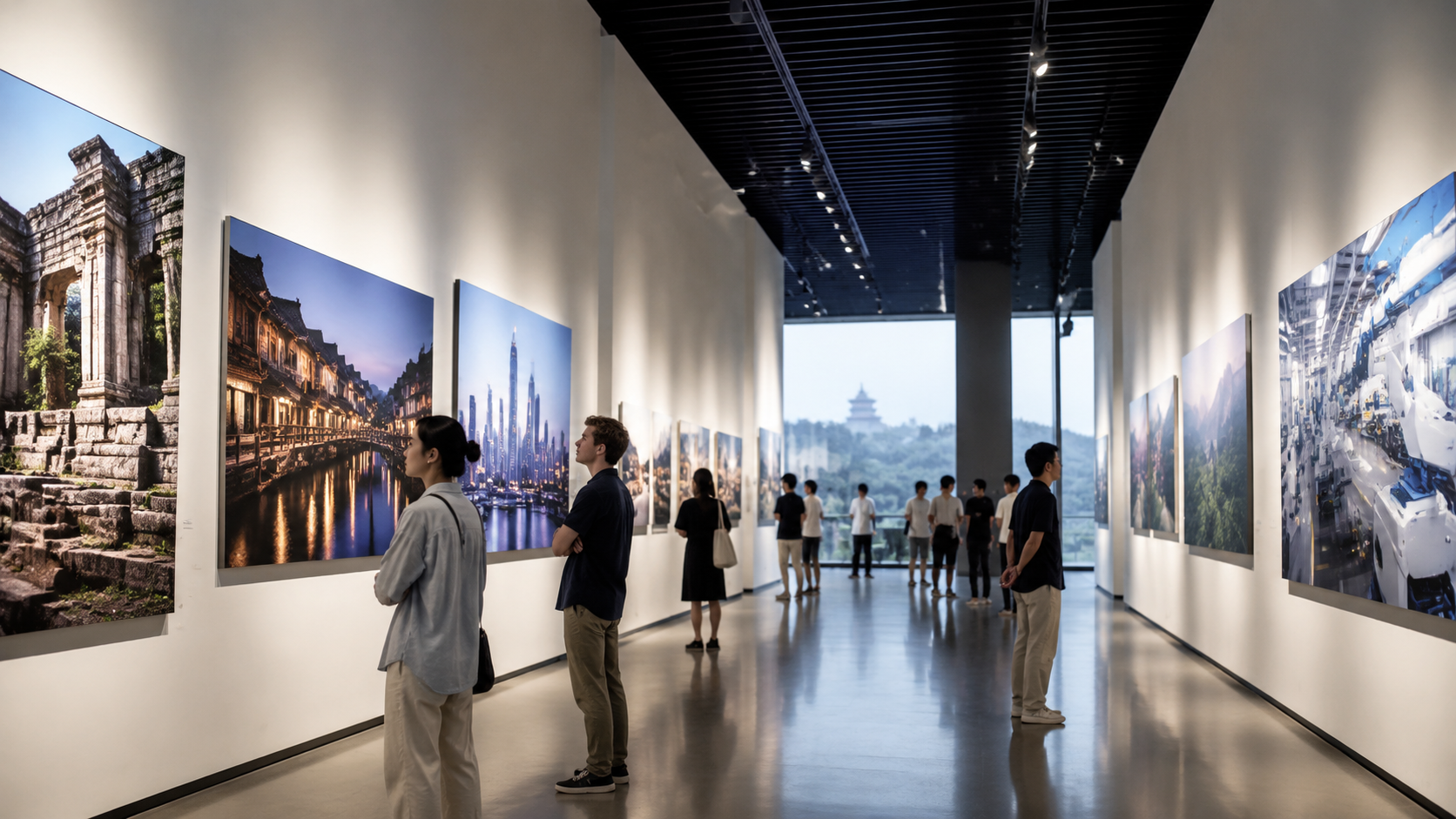
An exhibition featuring over 160 photographs by American and Chinese artists recently opened in Zhejiang province, China, aiming to promote cultural understanding amidst ongoing tensions between the two nations. The "Encountering the Mountains and Seas: China-U.S. Photographers Exhibition," which began on June 12 in Hangzhou, displays works created during an eight-day photography tour across the region. This initiative seeks to build direct people-to-people connections and bridge perception gaps.
Perspectives on Zhejiang
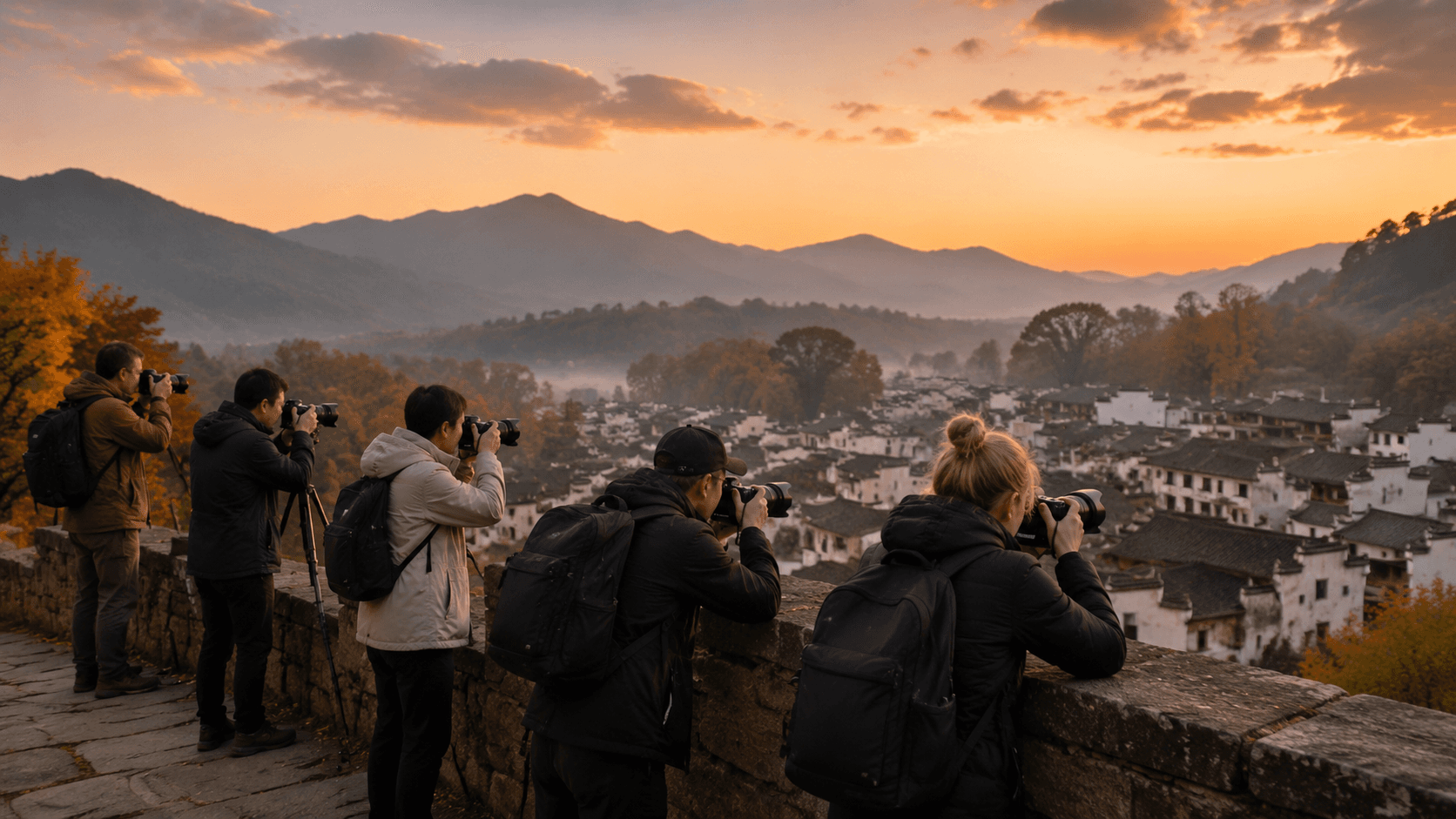
The exhibition, titled "Encountering the Mountains and Seas: China-U.S. Photographers Exhibition", showcases 70 printed works and 98 digital images. These pieces were created during an intensive eight-day photography tour, providing a diverse visual narrative of the region's character. Fourteen American photographers joined 18 Chinese counterparts, traveling through Wenzhou, Lishui, and Hangzhou from June 5 to June 12.
During their travels, participants documented Zhejiang's diverse elements, from its natural landscapes and ancient historical sites to vibrant local communities and technological advancements. This included visits to ancient landmarks like the Archaeological Ruins of Liangzhu City, a UNESCO World Heritage site with over 5,000 years of history, alongside modern technology centers featuring robotics and AI investment surge. The contrast offered unique perspectives on the region's historical depth and contemporary progress.
American participants offered insights into their experiences and observations. Yaakov Gottlieb, a travel photographer on his first visit to China, noted the distinct cultural moments in everyday life, such as traditional craft-making and bustling street food scenes, which he described as unique from his experiences in the United States. Eric Seidner, an American resident in China for two decades, highlighted the vast historical span covered, from ancient ruins to future-focused AI applications, calling it a journey "all the way from the ancient past, beyond the present day and into the future of China."
Personal connections formed a significant part of the trip's impact and left lasting impressions. Photographer Joshua Allen Cuppek fulfilled a long-held wish by sharing tea with Buddhist monks, an experience he had not imagined possible. Jerald Braddock Jr. expressed feeling "part of a big family" during interactions with local residents while photographing Hangzhou's West Lake, emphasizing the genuine human connections made.
"The United States and China still have a lot of work to do to bridge their gaps in terms of how they perceive each other. Such exchanges play a fundamental role in promoting mutual understanding."