Green ammonia stabilizer additives market forecast to grow from $32.0 million in 2025 to $85.0 million by 2036, a 9.3% CAGR
Waterborne chemistry and multifunctional additive packages emerge as preferred technical solutions for ammonia-compatible formulations
East Asia leads regional demand while India posts the fastest projected growth at 10.8% CAGR
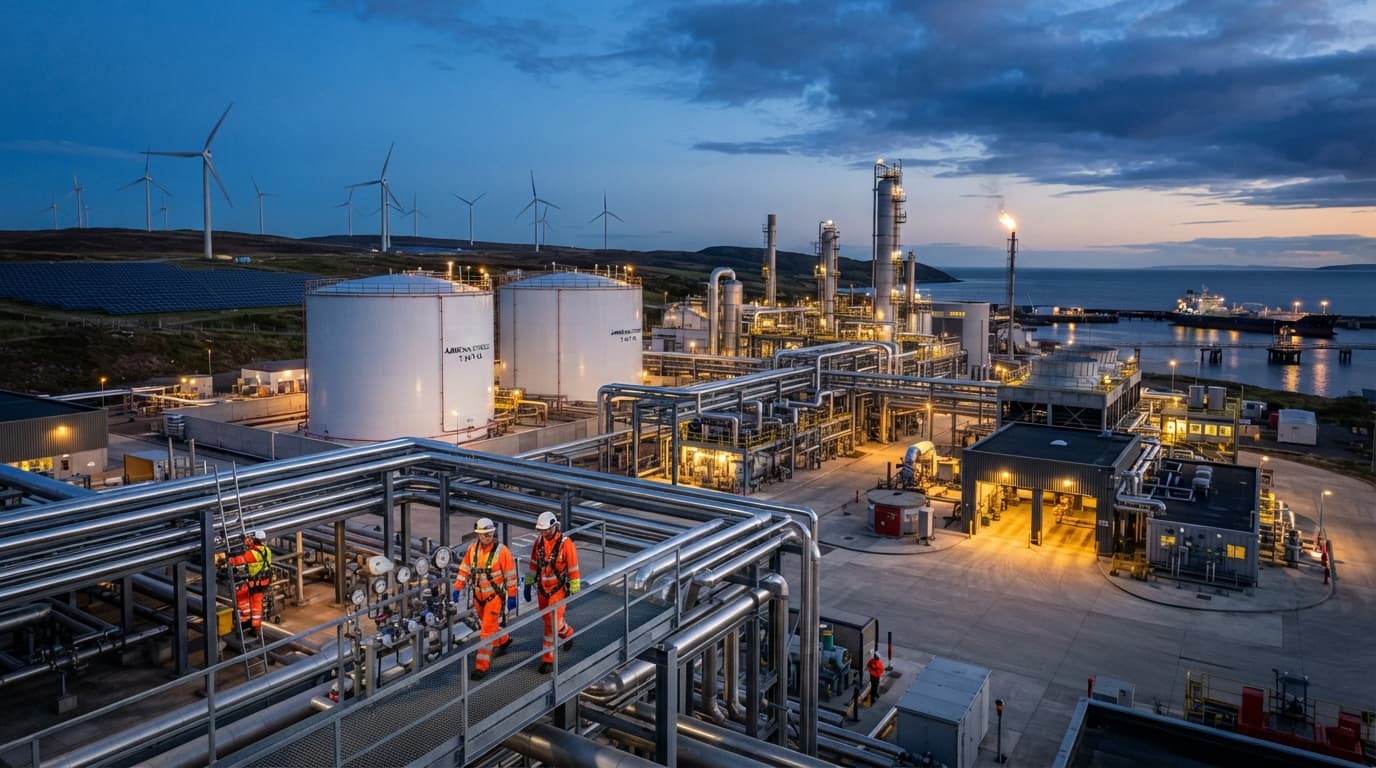
A specialty chemical segment once considered a footnote to the broader hydrogen economy is now attracting dedicated investment. Future Market Insights projects the global green ammonia stabilizer additives market will nearly triple in size, rising from USD 32.0 million in 2025 to USD 85.0 million by 2036, as renewable ammonia production scales up worldwide and industrial buyers demand additives engineered specifically for ammonia-rich environments.
Why a Small Additive Category Is Gaining Outsized Attention
Green ammonia stabilizer additives sit at an unglamorous but essential intersection of the energy transition: keeping formulations chemically stable, corrosion-resistant, and properly dosed as ammonia moves from pilot projects into commercial-scale infrastructure. That shift from laboratory testing to industrial procurement is the real story behind the forecast, since it signals that green ammonia has moved past the demonstration phase in enough markets to create a recurring, qualifiable demand for supporting chemistry.
The market's projected 9.3% compound annual growth rate between 2026 and 2036 is notably steeper than typical growth rates for mature specialty chemical categories, reflecting how narrowly defined and technically demanding this niche remains. Waterborne chemistry is expected to hold 31.0% of the market in 2026, favored for reducing solvent emissions while maintaining dispersion stability in ammonia-based systems.
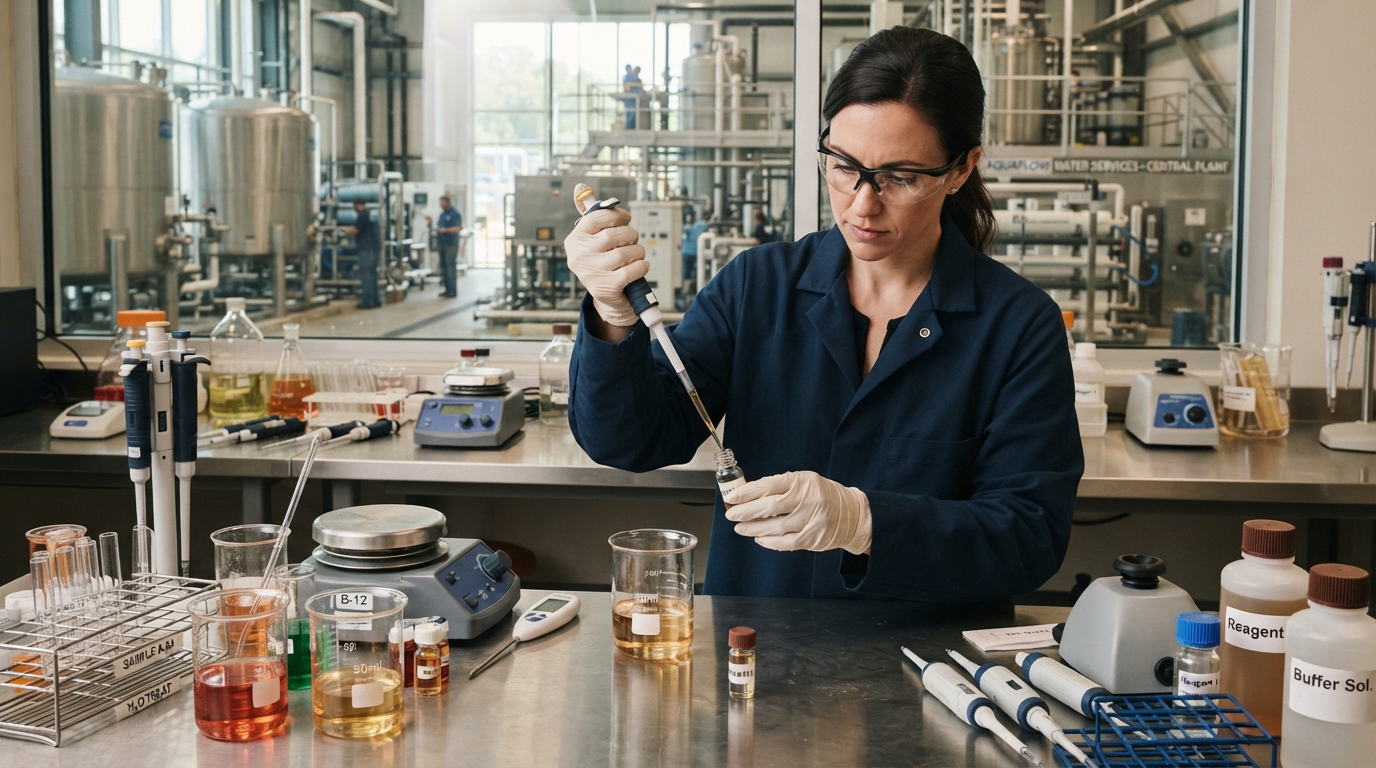
Multifunctional additive packages, combining pH control, anti-foam performance, and wetting agents in a single formulation, are projected to command 34.0% of the market by function in 2026. Buyers are increasingly consolidating qualification processes around these integrated solutions rather than sourcing separate additives for each performance requirement, a trend that mirrors broader industrial procurement pressure to simplify supplier relationships and reduce validation costs.
"Green ammonia stabilizer additives are moving from laboratory evaluation into commercial qualification. Buyers now require documented evidence of ammonia compatibility, corrosion control, formulation stability, and traceability before approving products for industrial applications. Companies combining formulation expertise with comprehensive technical support are expected to secure stronger long-term customer relationships."
— Nikhil Kaitwade, Senior Chemicals Analyst at Future Market Insights
Ammonia Boom Creates Niche for Additive Makers
Regional Divergence and the Qualification Bottleneck
East Asia is set to retain the largest regional share at 28.0% in 2026, underpinned by expanding hydrogen infrastructure and industrial demand across the region's manufacturing base. India, meanwhile, is forecast to be the fastest-growing national market at a 10.8% CAGR, consistent with the country's aggressive renewable ammonia and green hydrogen policy targets and the wave of industrial capacity being built to support them.
Water treatment leads application demand with a 27.0% share, reflecting the practical reality that dosing reliability and corrosion protection matter as much in ammonia-heavy treatment systems as they do in headline-grabbing hydrogen production facilities. Industrial manufacturing follows closely at 30.0% share by end-use, as process chemical and coatings producers work through supplier qualification programs.
That qualification process is itself becoming a competitive filter. Smaller specialty chemical suppliers face rising certification and documentation costs that larger, established manufacturers are better positioned to absorb, a dynamic that echoes how capital-intensive verification requirements have reshaped supplier bases in other parts of the broader clean-energy supply chain, including the kind of large infrastructure investment described in infrastructure consolidation deals now unfolding across energy-adjacent sectors.
The forecast growth in green ammonia stabilizer additives underscores a wider pattern in the energy transition: as flagship technologies like green hydrogen and renewable ammonia move toward commercial deployment, the supporting chemistry, testing infrastructure, and supplier qualification systems around them become investable markets in their own right. Whether smaller specialty chemical firms can keep pace with rising documentation and compliance demands will likely determine how concentrated this niche becomes over the next decade.
Stay Ahead of the News
Get the latest business news and company spotlights delivered to your inbox. No spam, unsubscribe any time.