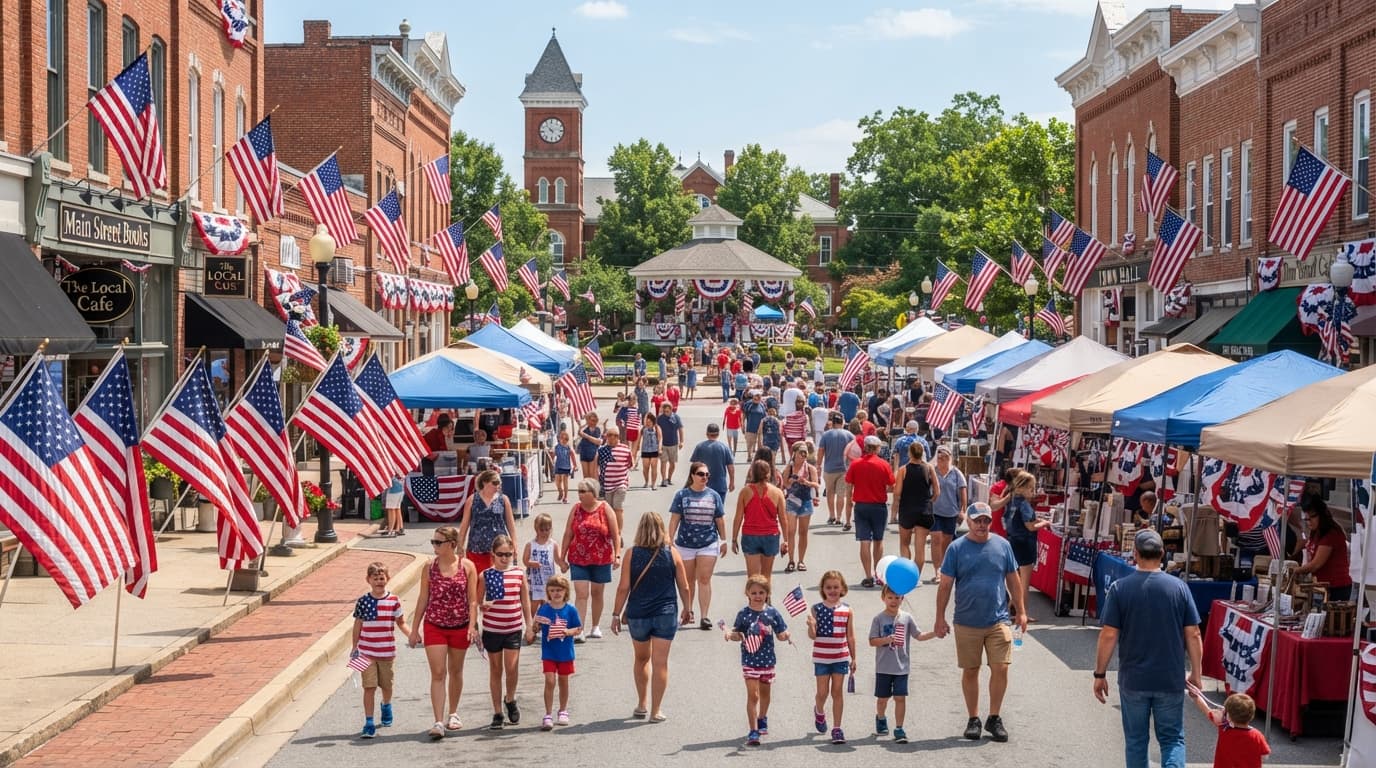
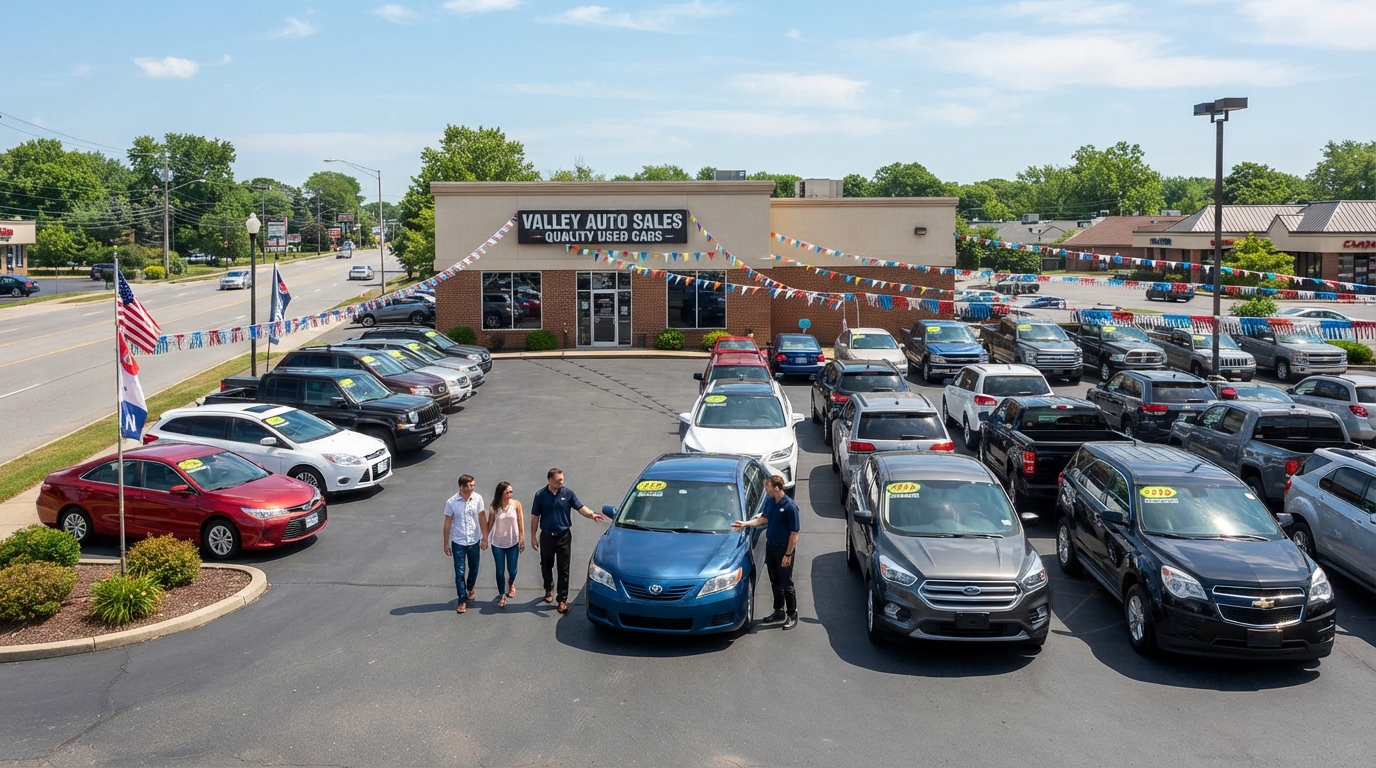
Autovisions took part in the City of Englewood's Independence Day Celebration, aligning a private business with a civic milestone
The appearance reflects a broader shift among small and mid-sized retailers toward community-based marketing over paid digital advertising
Local sponsorships remain a low-cost, high-trust channel for auto dealers competing against national chains and online marketplaces
Autovisions, an auto dealership, took part in the City of Englewood's Independence Day Celebration, a civic event that draws residents together for one of the year's most widely observed public holidays. The participation signals more than a single afternoon of goodwill: it points to a continuing pattern among local businesses of tying their brand to community milestones rather than relying solely on digital advertising. For an industry built on trust and repeat local custom, showing up in person still carries weight that a banner ad rarely matches.
A Dealership's Presence at a Civic Milestone
Independence Day celebrations organized by municipal governments typically bring together residents, local officials and area businesses for parades, fireworks displays and community gatherings. These events are among the few occasions each year when a broad cross-section of a town's population turns out in one place, making them a natural venue for businesses seeking visibility beyond their regular customer base.
Autovisions' involvement with Englewood's celebration places the dealership alongside the kind of civic infrastructure that municipalities rely on to fund and staff public events. Local businesses often provide sponsorship dollars, volunteer support or in-kind contributions that help cities offset the cost of fireworks, staging and public safety coverage.
For a dealership, aligning with a city-run event also offers a different kind of exposure than a television or online campaign. Attendees encounter the business in a neutral, celebratory setting rather than through a sales pitch, which can shape perceptions over time even if it does not generate an immediate transaction.
The specifics of Autovisions' role in the celebration were not elaborated beyond its participation, but the appearance itself fits a recognizable pattern of local retailers using civic calendars as informal marketing touchpoints throughout the year.
Why Car Dealers Are Showing Up At Local Parades
Community Events as Marketing in a Digital-First Economy
Digital advertising has become the default channel for most consumer-facing businesses over the past decade, from search ads to social media promotion. Yet marketing researchers and trade groups have repeatedly noted that local, in-person engagement retains a distinct advantage: it builds recognition that is harder to replicate through algorithm-driven placements, which are increasingly crowded and expensive to sustain.
Small and mid-sized retailers, including auto dealerships, often lack the budgets to compete with national chains on digital ad spend. Community sponsorship offers a comparatively low-cost alternative that can generate goodwill without the ongoing expense of a paid campaign. The U.S. Small Business Administration has long highlighted community involvement as one of the more durable ways smaller firms differentiate themselves from larger competitors with deeper marketing budgets.
This dynamic has become more pronounced as consumers report growing fatigue with online advertising and increasing skepticism toward algorithmically targeted promotions. Businesses that show up consistently at local events can build a reputation that outlasts any single ad cycle, particularly in sectors like automotive retail where purchase decisions are infrequent but high in value.
That said, community sponsorship is not a substitute for a full marketing strategy. It works best as one layer among several, reinforcing brand familiarity that digital channels then convert into inquiries or showroom visits.
Trust, Locality and the Auto Retail Business
Automotive retail is a sector where trust plays an outsized role in purchasing decisions. Buyers typically commit to a five- or six-figure purchase, financing arrangement or long-term service relationship, making reputation and perceived reliability central to a dealership's ability to close sales.
Civic visibility can reinforce that reputation in ways that are difficult to quantify but widely understood within the industry. A dealership seen supporting a city's public celebration signals rootedness in the community, which can matter to buyers weighing a local dealer against a larger regional chain or an online-only used car platform.
This matters more as auto retail continues to face competition from digital-first marketplaces that emphasize convenience and price comparison over relationship-based selling. Independent and franchise dealerships that lean into local identity are, in effect, competing on a different axis than pure price or inventory breadth, betting that familiarity and trust will retain customers even as online alternatives expand.
Autovisions' participation in Englewood's Independence Day Celebration is, on its face, a modest local story. But it reflects a wider and ongoing recalibration among small businesses toward community-anchored marketing at a time when digital advertising costs continue to rise and consumer trust in online promotion continues to erode. Whether such sponsorships translate into measurable sales lift is difficult to determine from the outside, yet the strategic logic behind them is consistent with how independent retailers across sectors are choosing to compete.
⭐
Business Spotlight
This article is a premium Business Spotlight feature — an in-depth profile with priority homepage placement. Contact us to be featured.
Stay Ahead of the News
Get the latest business news and company spotlights delivered to your inbox. No spam, unsubscribe any time.