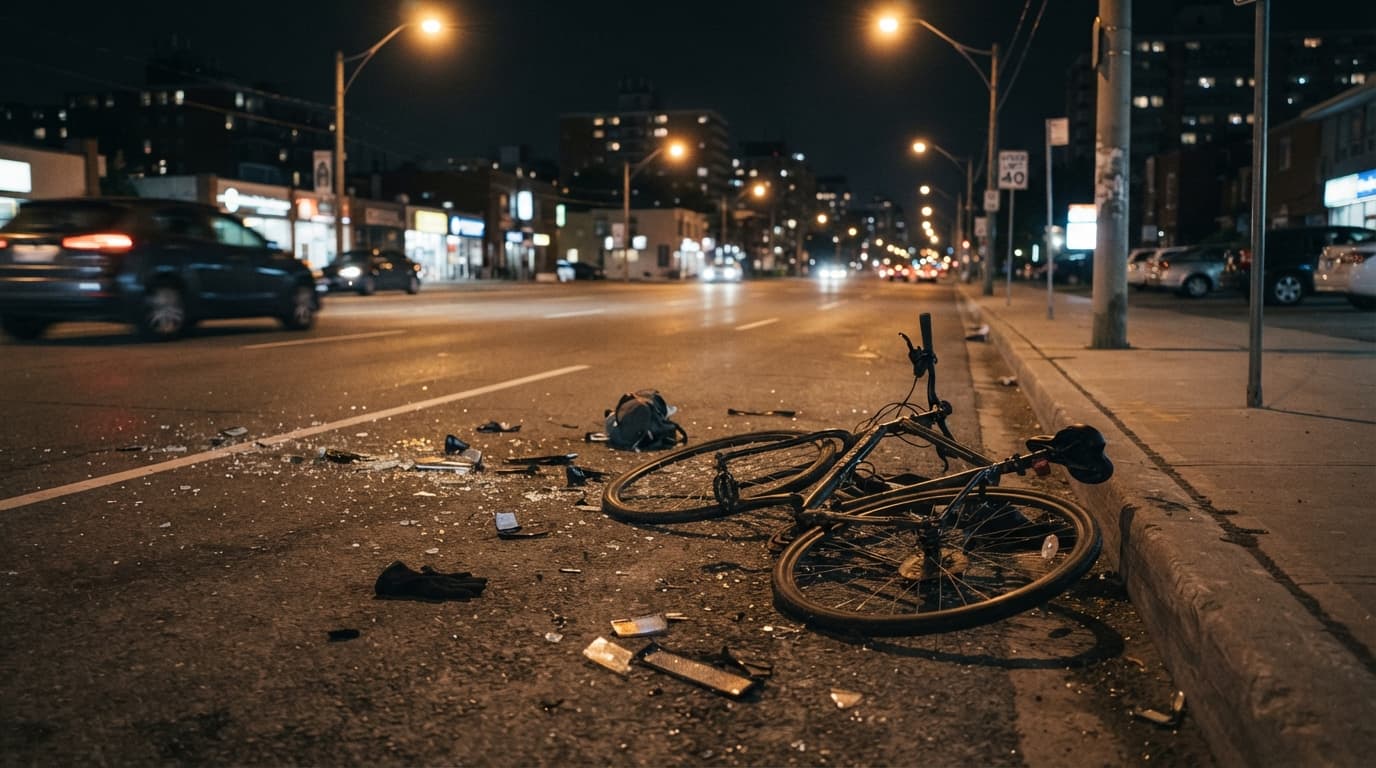
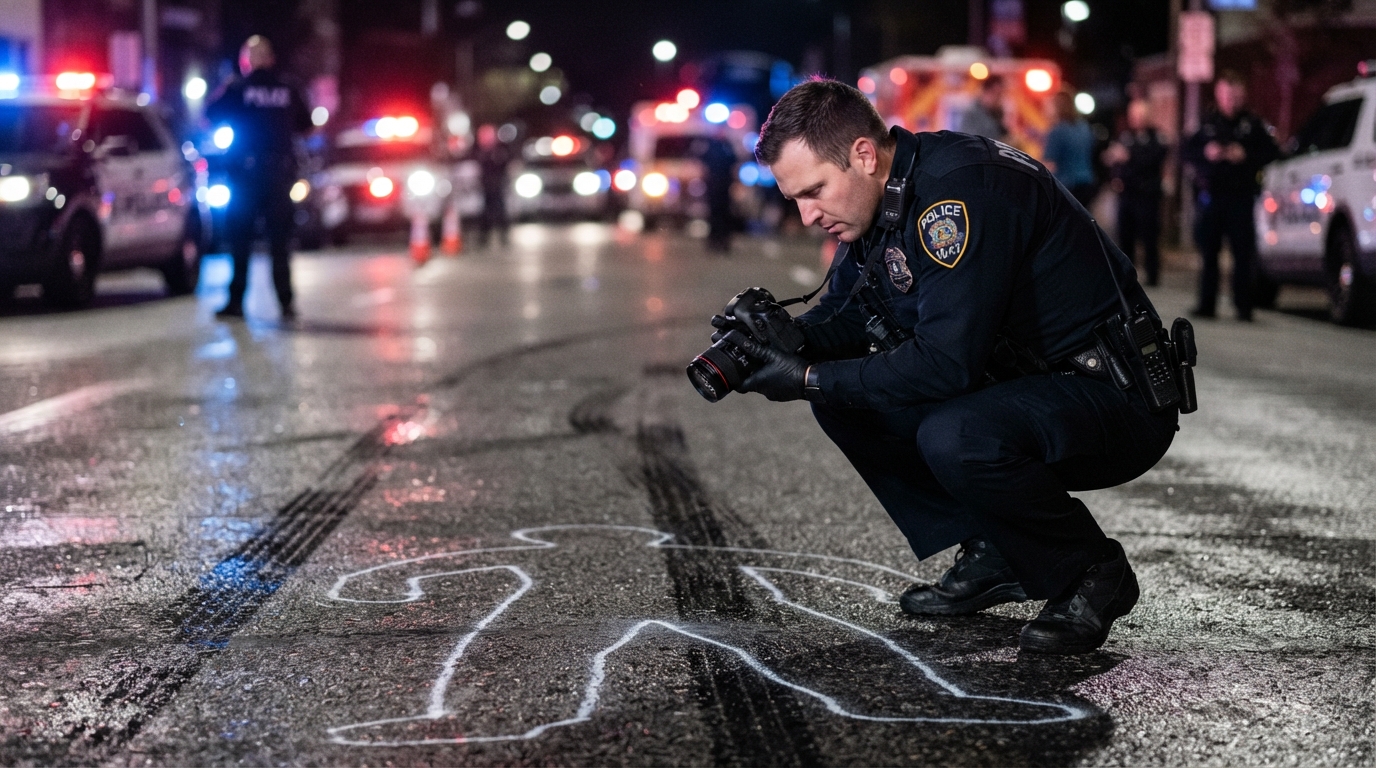
Fatal bicycle hit-and-runs rose 63% between 2017 and 2023, far outpacing the 45% rise in overall cycling deaths
Nearly 1 in 4 cyclists killed in traffic in 2023 died in a hit-and-run, up from 1 in 5 in 2017
Analysts warn that fleeing drivers are often uninsured, leaving victims dependent on their own coverage and tight legal deadlines
Bicyclists in the United States are now more likely than ever to be struck and abandoned by fleeing drivers, according to a 2026 review of federal crash data published by Bicycle Accident Lawyers Group (BALG). Fatal bicycle hit-and-runs jumped 63% between 2017 and 2023, climbing from 168 to 274 deaths, even as overall traffic fatalities began declining after 2020. The findings expose a growing gap between improving road safety for drivers and worsening outcomes for cyclists left behind at crash scenes.
A Widening Safety Gap
The data suggests cyclists are absorbing a disproportionate share of the country's hit-and-run problem. More than 919,000 hit-and-run crashes were logged in 2023 alone, roughly 15% of all reported collisions, and cyclists accounted for a rising slice of the fatal cases. Nearly one in four cyclists killed in traffic that year died in a hit-and-run, up from one in five in 2017.
The timing of these crashes matters as much as the trend line. BALG's analysis found that nearly 44% of bicyclist deaths occurring between 11 p.m. and 3 a.m. involved a driver who fled, compared with under 9% at midday. Darkness limits witnesses and makes it harder to trace a vehicle, conditions that appear to embolden drivers to leave rather than stop.
Enforcement outcomes reinforce the pattern. In New York City, police solved just 324 of 6,652 nonfatal hit-and-run cases in 2020, about one in twenty, according to NYPD figures cited in the report. Low clearance rates mean many injured cyclists are left without an identified driver to pursue for compensation.
"When a driver flees, the victim is left with the injuries, the bills, and often no one to hold responsible. Because so many of these drivers are unlicensed or driving a borrowed car, they frequently carry no insurance, so an injured cyclist's own uninsured motorist coverage is often the only path to recovery, and most riders do not know they have it until the worst day to find out."
— Robert Goldwater, Attorney at Bicycle Accident Lawyers Group
Cyclists Bear the Cost as Hit-and-Runs Hit Record Highs
Why the Trend Is Hard to Reverse
The divergence between falling overall road deaths and rising cyclist hit-and-run fatalities points to an uneven distribution of safety gains. Vehicle safety technology, improved airbag systems, and driver-assistance features have primarily protected people inside cars, while cyclists remain exposed to the same behavioral risk: a driver's decision to flee rather than remain at the scene. That decision is often shaped by the driver's own legal exposure, including unlicensed status, prior violations, or lack of insurance, factors that give little incentive to stop.
The financial consequences for victims can be severe and prolonged. Because liability hinges on identifying an at-fault driver, cases without a suspect often shift the entire financial burden onto the injured cyclist's own insurance, medical coverage, or personal savings. BALG's warning that evidence such as surveillance footage can be overwritten within 72 hours highlights how quickly a case can become effectively unresolvable, regardless of the severity of the injury.
State statutes of limitations, typically ranging from one to four years, add another layer of urgency once a claim is possible. Missing that window generally closes the door to compensation permanently, even if a driver is later identified. The combination of fast-disappearing evidence and fixed legal deadlines creates a narrow, largely procedural window in which victims must act to preserve any chance of recovery.
The findings from Bicycle Accident Lawyers Group point to a structural problem that road safety improvements alone are unlikely to fix: as vehicles grow safer for occupants, the incentive and opportunity for drivers to flee after striking a cyclist appears to be growing rather than shrinking. Without stronger identification technology, faster evidence preservation, and broader public awareness of uninsured motorist protections, cyclists are likely to remain among the most exposed road users in hit-and-run cases for the foreseeable future.
Stay Ahead of the News
Get the latest business news and company spotlights delivered to your inbox. No spam, unsubscribe any time.