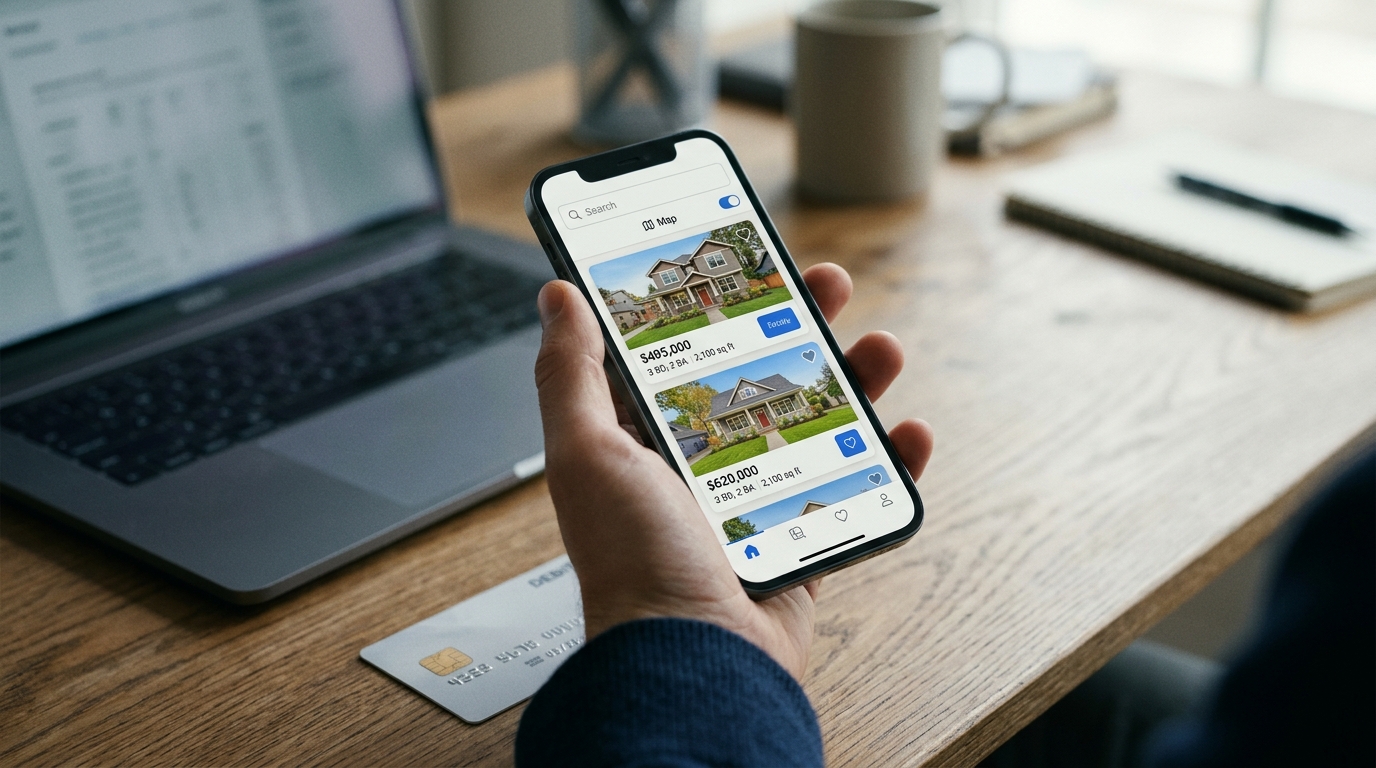
People Like Us launches "Explore," letting new members list homes and message others before any charge is made
A card on file is billed only when a first exchange is finalised or after 60 days, whichever comes first
The move follows sign-up data showing most drop-off happened at profile creation, not at the payment screen
People Like Us, a global home exchange membership community, has restructured how new members join, replacing its upfront annual payment with a model that charges only once someone commits to an actual swap. The change, called Explore, responds to a problem common across subscription-based marketplaces: asking strangers to pay before they can see whether the service works for them.
Why the Payment Screen Wasn't the Problem
People Like Us said it reviewed its own sign-up data and found more than half of prospective members who abandoned the process did so at the very first step of creating a profile, before ever viewing a listed home. That finding undercuts the usual assumption that price is the main obstacle at the point of conversion.
Under the new system, members still verify their identity through Stripe, publish a home listing and attach a payment card before they can message anyone. The card is only charged, and full Premium membership begins, when a member accepts or finalises a first exchange, or after 60 days, whichever happens first. Reminder emails go out on day 45 and day 58, with cancellation available any time before the charge is applied.
This differs from a conventional free trial, which typically asks for nothing more than an email address. By requiring identity verification and a real home listing upfront, the company is betting that commitment can be demonstrated through effort rather than payment.
"Home exchange is something you understand by meeting the people who do it, not by reading about it. We were asking people to commit before they had any way to find that out. Explore puts things in the right order."
— Drew Seitam, Co-founder and CEO, People Like Us
Home-Swap Site Flips Script: Pay After, Not Before
What Stays Locked Behind Payment
Explore members get a visible badge and access to browsing, listing, messaging and the platform's interest-based Communities. What they do not get until converting to Premium are the members-only Premium Feed, the Facebook group, and the Globes and Plutos credits used for non-reciprocal exchanges — the mechanism that lets members swap with someone who cannot host them in return.
Pricing is held at the standard rate throughout Explore; promotional discounts are reserved for those who pay upfront immediately, and accepting one converts a member to Premium status from that day. Existing members retain their current pricing and renewal terms, and refund windows apply for anyone charged at the end of an Explore period, though promotional-rate memberships remain non-refundable.
Many subscription services have wrestled with similar tension between free access and paid commitment, and often the fix involves hiding costs rather than removing them, as seen with free TikTok viewer tools that hide real costs from users until later in the funnel. People Like Us appears to be taking the opposite approach, front-loading verification and listing requirements rather than payment, on the premise that a home on the map and a verified identity are more meaningful filters than a credit card charge at sign-up.
The approach reflects a broader rethink among niche marketplaces about when trust should be established relative to when money changes hands. By moving payment to the point of an actual exchange rather than the point of sign-up, People Like Us is wagering that demonstrated intent — a real listing, a verified identity — builds more durable membership than payment collected on faith. Whether that produces more paying members than it costs in delayed revenue will likely determine if other home-sharing and swap platforms follow a similar path.
Stay Ahead of the News
Get the latest business news and company spotlights delivered to your inbox. No spam, unsubscribe any time.