New engineering standards prioritize wind resistance and structural longevity
Manufacturers adopt AASHTO and EN 12899 protocols for global safety
Hot-dip galvanizing remains the primary defense against steel corrosion
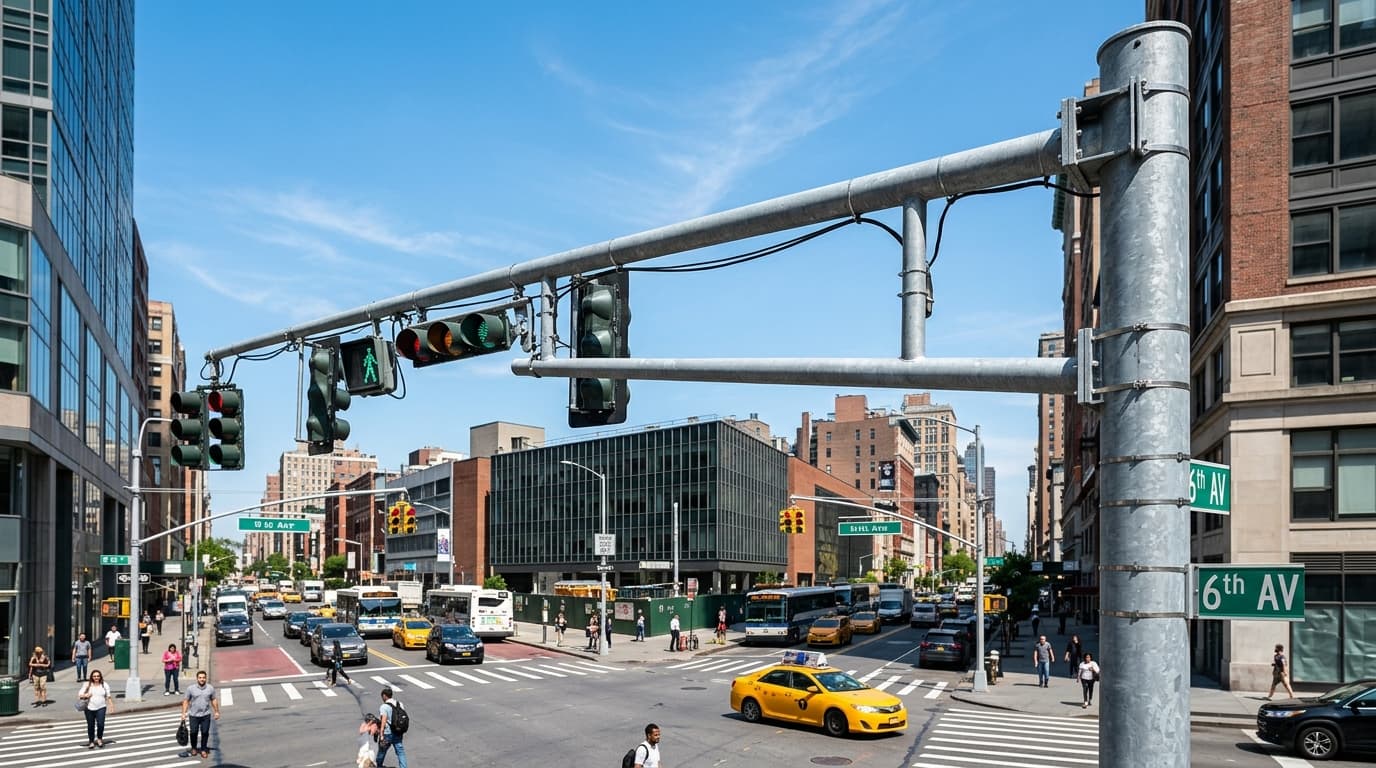
Recent advancements in traffic signal pole engineering are reshaping urban infrastructure safety. Hebei Changfeng Steel Structure Co., Ltd. has highlighted new technical requirements for intersection hardware that prioritize wind resistance and structural longevity. These standards address the growing need for resilient urban systems capable of withstanding extreme weather events. Engineers now utilize specific steel grades and coating processes to extend the service life of these vital components while protecting motorists.
Structural Integrity and Material Selection
High-strength materials like Q235 and Q345 steel form the backbone of modern signal poles. These materials provide the necessary yield strength to support heavy signal heads and camera equipment. Structural engineers calculate load-bearing capacities to prevent failure during high-velocity wind gusts.
Design specifications often follow strict international codes to ensure consistency across different jurisdictions. The American Association of State Highway and Transportation Officials (AASHTO) provides guidelines that manufacturers must follow. These protocols dictate the thickness of the steel and the diameter of the pole base.
Welding techniques also play a significant role in the overall stability of the structure. Automated submerged arc welding creates uniform seams that reduce the risk of stress fractures. Quality control teams inspect these joints using ultrasonic testing to verify internal consistency.
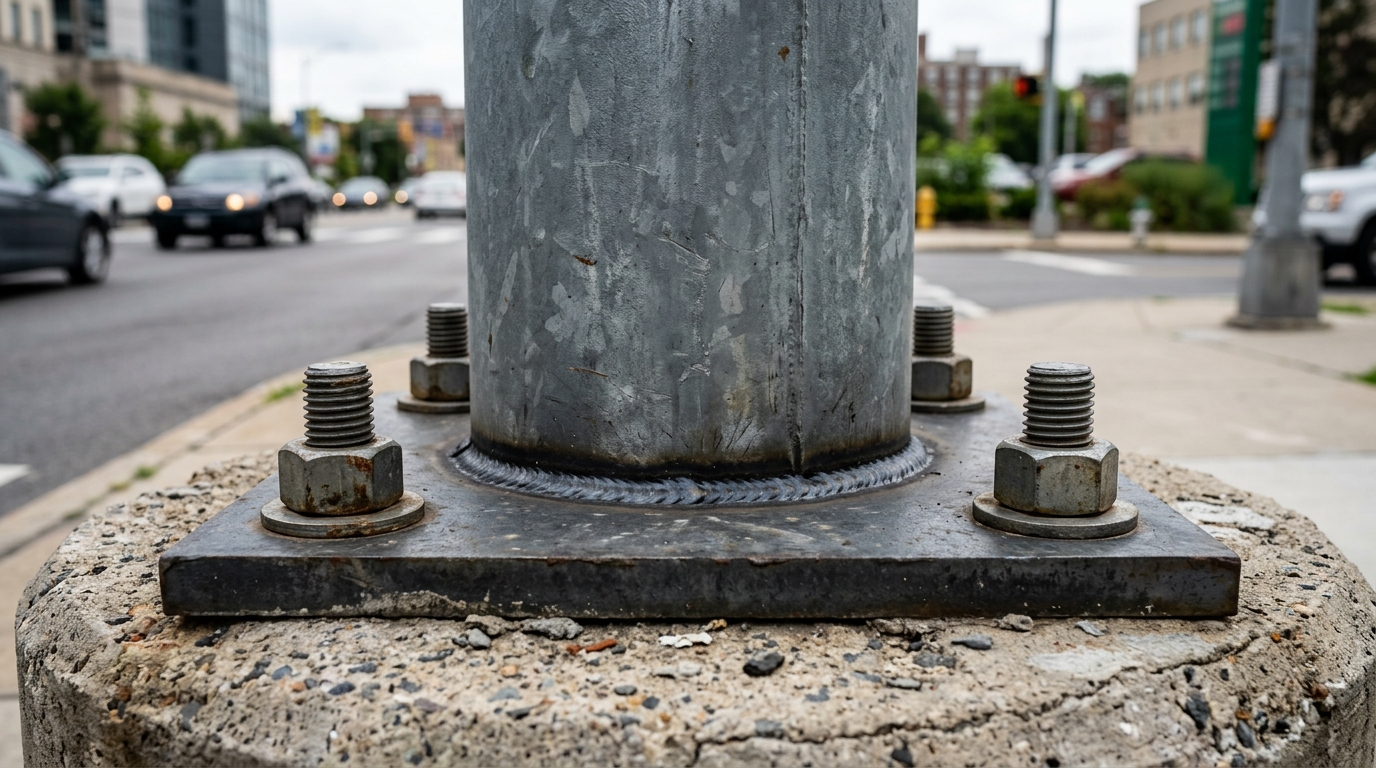
Hebei Changfeng Steel Structure Co., Ltd. maintains that precision in the manufacturing phase prevents costly maintenance later. By focusing on the base plate and anchor bolt configuration, the company ensures that the poles remain upright during seismic activity. This attention to detail reduces the risk of intersection downtime and protects the expensive electronics housed within the signal heads.
"Modern traffic signal poles are more than just steel structures; they are sophisticated pieces of engineering designed to withstand the elements and ensure public safety."
Engineering Standards Rise for Traffic Signal Poles
Corrosion Protection and Environmental Resilience
Environmental factors like salt air and industrial pollutants can degrade steel structures over time. To combat this, manufacturers employ hot-dip galvanizing as a primary defense mechanism. This process involves immersing the steel in molten zinc to create a metallurgical bond.
The resulting zinc coating acts as a sacrificial anode, protecting the underlying steel from rust. Even if the surface suffers physical damage, the chemical properties of the zinc prevent the spread of corrosion. This treatment can extend the functional life of a pole by several decades.
Beyond chemical protection, the aesthetic finish often includes powder coating for additional durability. This dual-layer approach provides a barrier against ultraviolet radiation and physical abrasions. Cities often select specific colors to match existing urban designs or improve visibility for drivers.
Fatigue resistance is another major consideration for poles subjected to constant vibration. Wind-induced oscillations can lead to metal fatigue at the connection points between the mast arm and the vertical pole. Engineering teams now use vibration dampeners to mitigate these forces and prevent structural fatigue while maintaining the integrity of the signal system.
The integration of advanced engineering practices into traffic infrastructure marks a shift toward more durable cities. As urban populations grow, the reliability of signal systems becomes a central concern for municipal planners. Investing in high-quality steel structures reduces long-term replacement costs and improves intersection safety. These advancements ensure that public infrastructure remains functional even under the most demanding environmental conditions.
Stay Ahead of the News
Get the latest business news and company spotlights delivered to your inbox. No spam, unsubscribe any time.