Sydney-based Parksy has consolidated four free driver tools — fine appeals, sign scanning, car finding and crash reporting — into one hub
The AI-powered appeal calculator assesses parking tickets and drafts appeal letters, but also tells drivers when a fine is fairly issued
Founder Daniel Battaglia says the free-tools strategy, not a paid add-on model, is central to the company's plan to win driver trust
Parksy operates commission-free across 57 countries, taking no cut from parking bookings or space listings
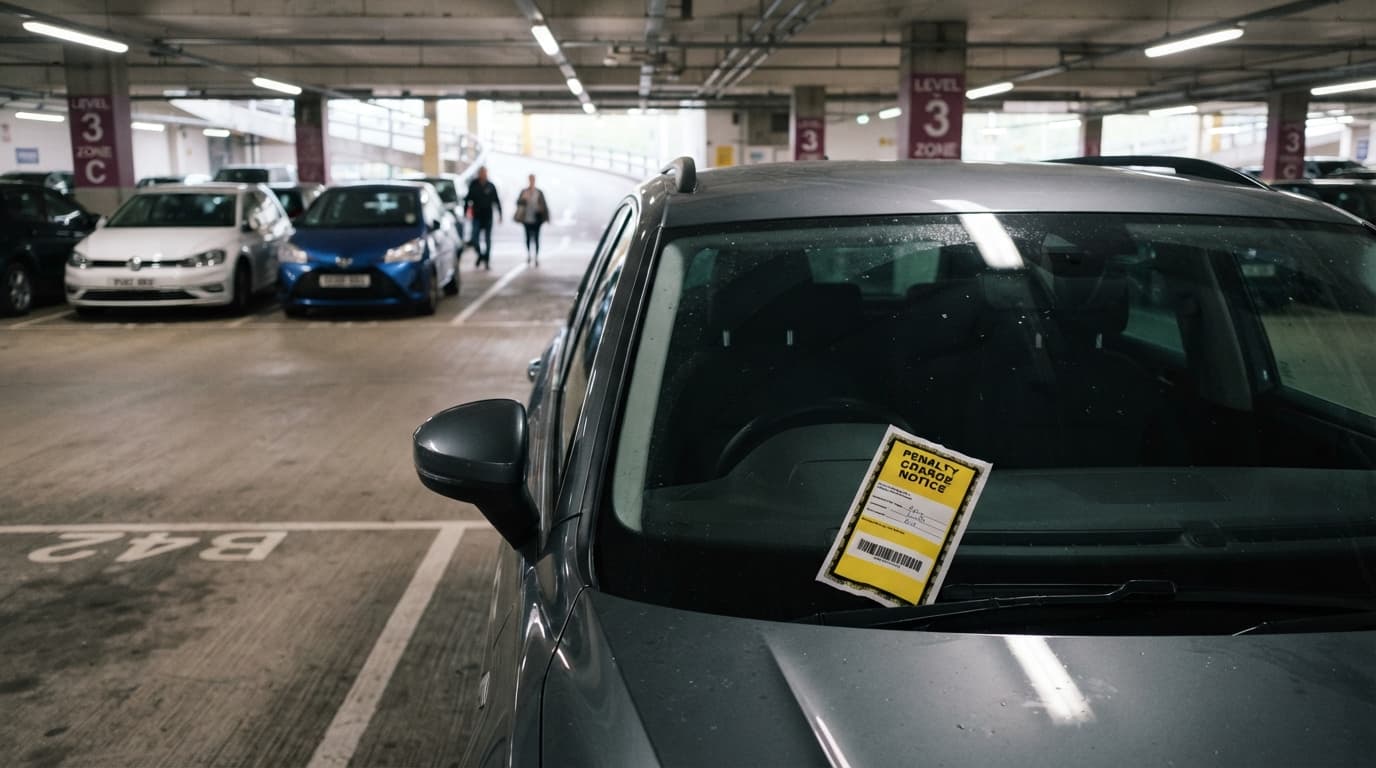
Parksy, the Sydney-based parking marketplace, has pulled four separate driver tools into a single free hub, tackling what founder Daniel Battaglia calls the four worst moments of car ownership: an unfair fine, an indecipherable sign, a lost car, and a crash. The tools — an AI-powered appeal calculator, a sign scanner, a car-finder and an accident report generator — launched together on August 29, 2026, most requiring no email address or signup to use.
Four Tools, One Bet
The appeal calculator is the most technically ambitious of the four. A driver describes the circumstances of a ticket, and the tool identifies which grounds of appeal carry weight before helping draft the letter itself. Notably, the tool is built to say when a fine was issued fairly and is not worth contesting — a design choice that runs against the instinct of most fee-based dispute services to encourage every appeal.
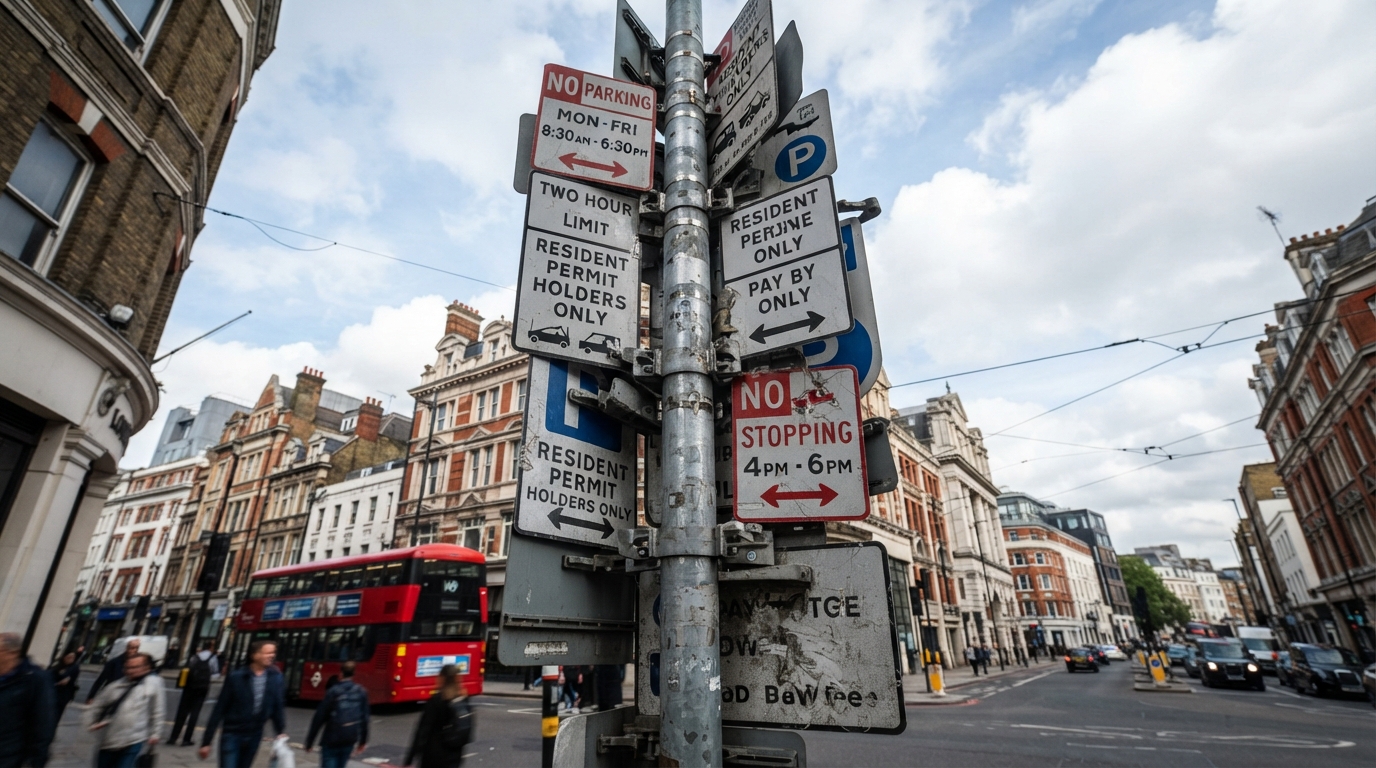
The sign scanner addresses a narrower but universally recognized frustration: the pole outside almost any city block stacked with three or four overlapping restriction signs. Photograph it, and the tool interprets whether parking is currently permitted and for how long. The find-my-parked-car tool and the crash-report generator round out the set, with the latter producing a GPS-stamped, insurer-ready PDF that the company says functions even without phone signal.
"Every one of these tools exists because drivers kept hitting the same four walls. Other companies looked at those walls and saw four subscription products. We think the fastest way to be the platform drivers trust with parking is to be useful on the worst day they have with a car, and to not send an invoice afterwards."
— Daniel Battaglia, Founder & CEO, Parksy
Parksy Bundles Free Tools, Bets Against Fees
The Commission-Free Wager
The bundle sits alongside Parksy's core marketplace, where drivers search for and book parking and space owners list driveways, garages and unused spots — both sides of the transaction free of commission. The company frames this as a consistent operating principle rather than a promotional stance: across the 57 countries where it operates, it says it does not charge for introductions, information or emergencies.
That positioning is unusual in a sector where many parking apps and dispute-resolution services monetize precisely the moments Parksy is giving away — charging booking fees, take-rates on space rentals, or per-appeal charges for contesting tickets. Battaglia's framing of the bundle as "the strategy, not a loss leader that wandered off" suggests the company sees free access to high-friction moments as a way of accumulating driver trust and platform reach in the marketplace itself.
Whether that bet pays off depends on adoption. A tool available at no cost only matters if drivers know it exists and use it repeatedly enough that it changes which parking app they open first. Parksy's answer, at least for now, is to make discovery frictionless: the four tools are listed together on one page, alongside the company's wider platform, on both iOS and Android.
Founder Background and Origins
Parksy was founded in 2011 by Daniel Battaglia, who previously worked at Lehman Brothers, RBC Capital Markets and Macquarie Bank before building the parking marketplace. The company is headquartered in Sydney, Australia, and describes itself as operating globally rather than within a single national market.
Battaglia's finance background is a somewhat unusual pedigree for a consumer parking startup, and it may partly explain the company's insistence on a commission-free model as a differentiator rather than a temporary promotional tactic. The About section accompanying the announcement describes Parksy as a marketplace where drivers find and book parking, appeal fines, scan signage, locate a parked car and report accidents "all at no cost and with no signup required for most tools," while space owners rent out spots without lease paperwork or commission taken.
Where This Fits in the Wider Market
The parking technology sector has for years split between marketplace apps that connect drivers to available spaces and a smaller set of services built around disputing fines or interpreting signage, many of which charge per use or take a percentage of any refunded fine. Consolidating four distinct driver pain points into one free hub — rather than selling each as a standalone paid feature — is a structurally different approach from that fee-per-service model, and it is one that only makes commercial sense if the free tools succeed in pulling users toward the underlying paid-adjacent marketplace, in this case parking bookings and space listings, where Parksy does not charge fees either. That makes the company's stated bet — free utility as the on-ramp to marketplace trust, rather than a direct revenue line — one of the more aggressive versions of that strategy currently visible in the sector, and its success will likely hinge on usage volume across the 57 countries where the platform operates rather than on the tools themselves generating income.
The claim that a crash-report tool can function without phone signal, producing a GPS-stamped PDF at the scene, addresses a specific and recognizable failure point for drivers involved in accidents in parking structures or remote areas, where connectivity is often poor and insurers require documentation collected close to the moment of the incident.
Parksy has not disclosed usage figures, user numbers, or revenue for the marketplace alongside this announcement, so the practical scale of adoption for the four tools — and their measurable effect on Parksy's broader marketplace growth — remains unverified outside the company's own statements.
Parksy's move formalizes a bet that free, no-signup tools for a car owner's worst moments can build the kind of trust that converts into marketplace usage, rather than functioning as isolated paid products. The four tools are live now across the company's website and apps. Whether the approach measurably shifts driver behavior across the 57 countries Parksy serves is the open question the company has yet to answer with data.
"We think the fastest way to be the platform drivers trust with parking is to be useful on the worst day they have with a car, and to not send an invoice afterwards."