At a Glance
- Shanghai-based Jurry Plastics Machinery positions ISO 9001 and CE certification as core to its HDPE pipe extrusion machinery, not just regulatory paperwork
- The company builds compliance with standards like ISO 4427 and ASTM directly into machine design, aiming to prevent costly post-production fixes
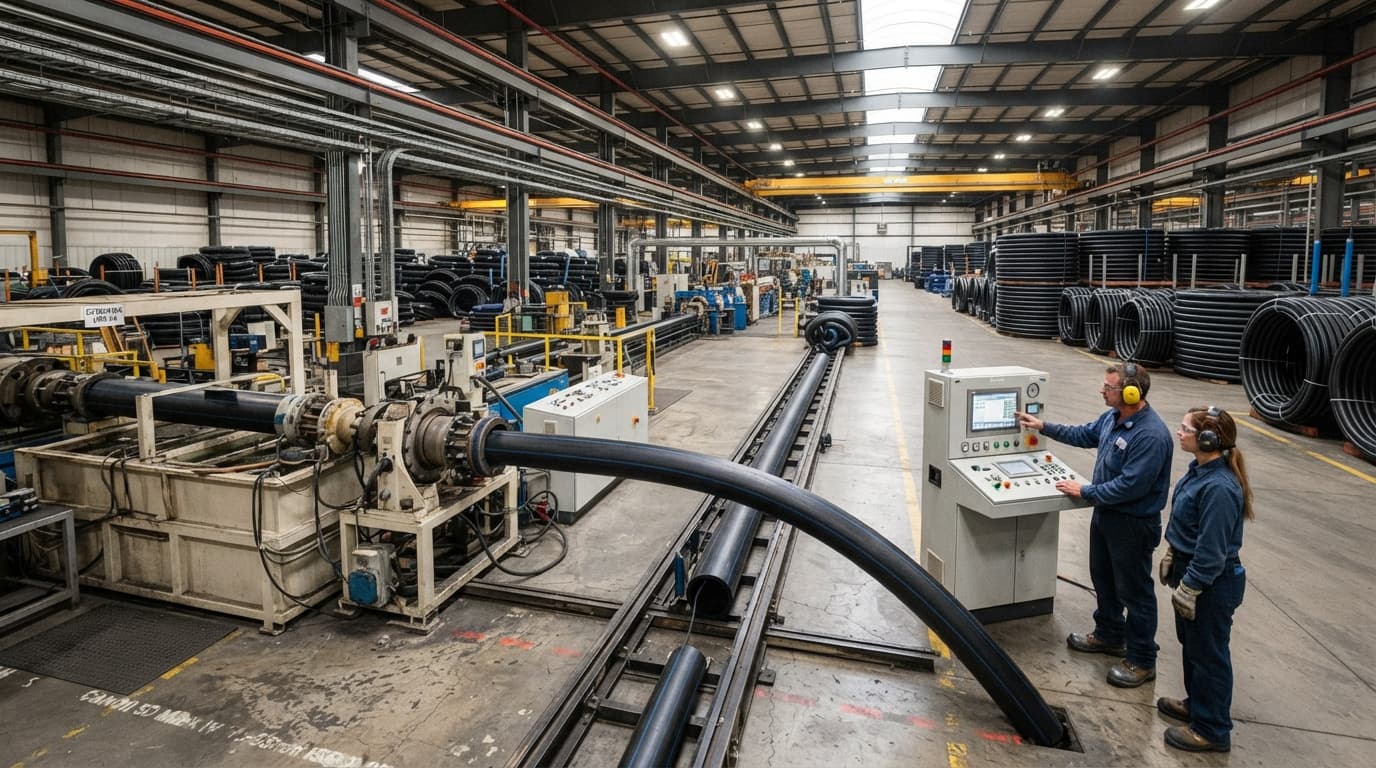
- Its equipment targets municipal water and gas networks, industrial chemical transport, and multi-layer barrier pipe production worldwide
A Chinese manufacturer of pipe-making machinery is wagering that certification, not just price, will win it customers in a global infrastructure market where a single defective weld or thin-walled section can mean decades of buried liability. Shanghai Jurry Plastics Machinery Co., Ltd, trading as JURRY, has built its extrusion equipment around embedding ISO 9001 and CE standards into the design stage rather than treating them as a final compliance checkbox.
Why Certification Is More Than a Formality
High-density polyethylene pipe is now a default choice for water, gas and chemical networks because it resists corrosion and can flex with shifting ground. But that reliability depends on manufacturing tolerances that are difficult to see from the outside — wall thickness, material density and layer adhesion all have to stay within narrow limits over a pipe's operational life, which can span decades underground.
Certifications such as ISO 9001 and the CE mark exist precisely because those tolerances are hard to verify after installation. JURRY, founded in the early 1990s as a family business, has grown into a designated National High-tech Enterprise in China, a status that signals a level of sustained investment in engineering rather than one-off compliance spending.
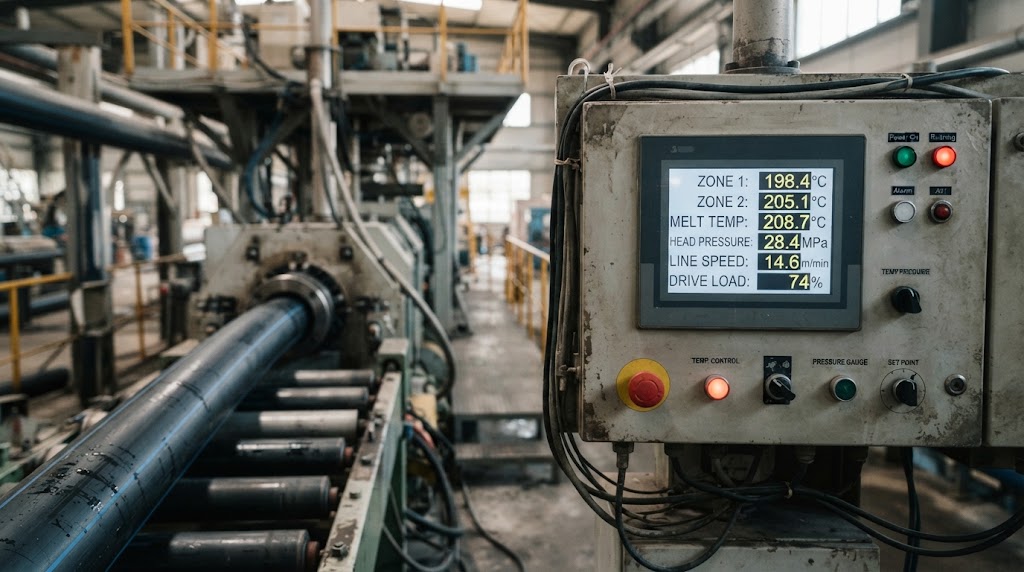
The company says its extrusion lines are configured to meet standards including ISO 4427 and ASTM specifications during processing itself, adjusting barrel thermal distribution and screw geometry to preserve the molecular weight of raw resin. That approach is intended to let pipe manufacturers avoid retesting or reworking output after the fact, a claim that, if borne out in practice, would matter more to buyers than the certification badge alone.