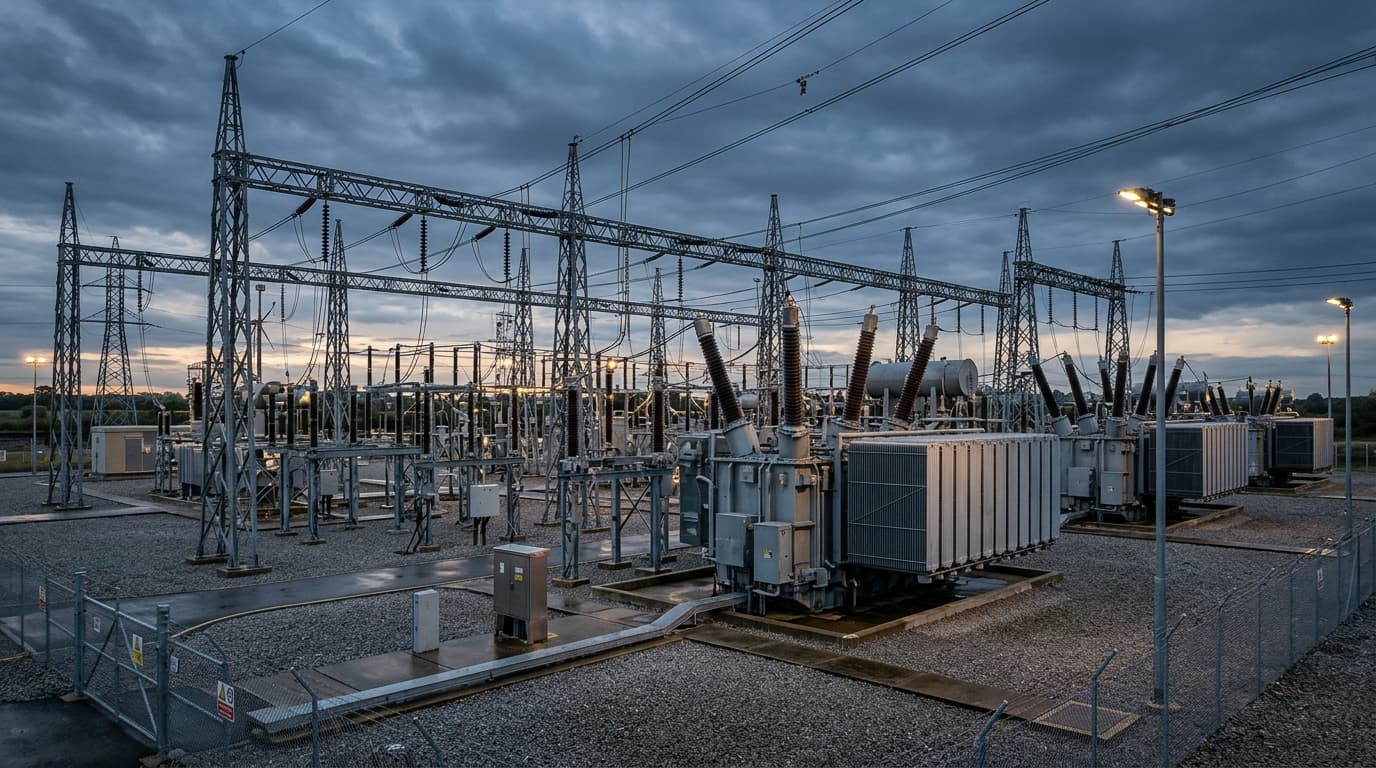
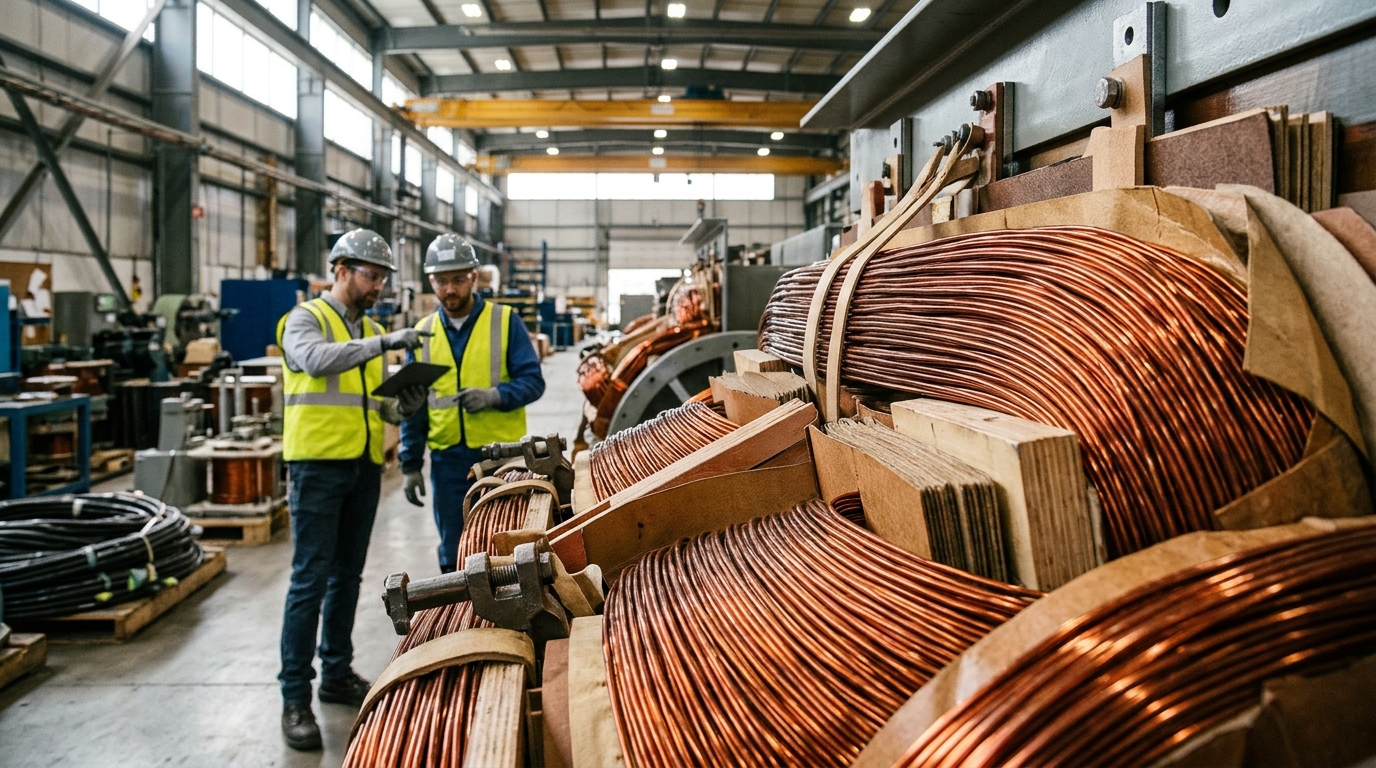
Jiangsu Xiaowei Electric Co., Ltd. has detailed custom OEM/ODM transformer engineering for non-standard voltage, altitude, corrosion and harmonic challenges
Designs target industrial plants, microgrids, mining sites and renewable interconnections that standard catalogue units cannot serve
The announcement reflects wider pressure on power equipment suppliers as electrification and harsh-site projects expand into non-standard grid environments
Global infrastructure projects increasingly run into a basic engineering problem: the power grid they are built on does not match the equipment sitting on a supplier's shelf. Jiangsu Xiaowei Electric Co., Ltd., a Nantong, China-based manufacturer, has outlined its approach to custom transformer design intended for exactly that gap, covering voltage mismatches, high-altitude installations, corrosive coastal sites and harmonic-heavy industrial loads.
Why Standard Equipment Falls Short
Catalogue transformers are built around fixed, widely used voltage ratios, which works fine for conventional utility distribution. But imported industrial machinery, distributed microgrids and off-grid mining operations often run primary voltages such as 11kV, 12.47kV, 13.8kV, 22.9kV or 34.5kV against secondary needs like 208V, 400V, 480V, 690V or 800V, across both 50Hz and 60Hz systems.
Forcing those mismatches onto a generic unit typically means adding intermediate step-up or step-down transformers, which raises capital cost and introduces extra points of failure. According to the company, custom winding configurations, including vector group arrangements beyond standard Dyn11 and Ynyn0 setups, allow direct matching to project-specific feeder profiles instead.
The engineering also extends to phase displacement schemes that support 12-pulse or 24-pulse variable frequency drive rectifiers, a detail that matters increasingly as factories automate motor control. Dual-secondary delta-wye configurations with a 30-degree phase offset are used specifically to cancel fifth and seventh harmonic feedback before it reaches the primary supply bus.
Bespoke Transformers Answer Global Grid Mismatches
Harsh Environments and Harmonic Loads
Altitude and climate are treated as engineering variables rather than afterthoughts. Above roughly 1,000 metres, thinner air reduces both convective cooling and the dielectric strength of air-insulated clearances, which the company addresses through larger radiator surfaces, wider bushing spacing and Class H insulation materials rated for higher temperatures.
Corrosion resistance follows a similar logic for coastal terminals, chemical plants, offshore platforms and tunnels, where standard paint finishes degrade quickly. The company's enclosures use heavy-gauge or 304/316 stainless steel finished to ISO 12944 C4 or C5-M marine-grade standards, aimed at IP55 or NEMA 4X protection levels against salt fog and driving rain.
A separate but related challenge comes from non-linear loads: VFDs, data servers and renewable inverter arrays generate harmonic currents that cause localized overheating in standard windings. The company manufactures K-4, K-13 and K-20 rated units using transposed copper conductors and electrostatic shielding to manage those losses, a design concern that echoes the broader materials scrutiny seen in the silicone rubber's quiet rise tracking EV and chip demand, where component-level engineering is being reshaped by electrification trends.
The breadth of this specification list signals something beyond one supplier's capabilities: power infrastructure is being asked to serve increasingly varied and demanding sites, from offshore wind interconnections to high-altitude mining camps, and the gap between catalogue equipment and real-world conditions is widening rather than closing. Buyers and EPC contractors evaluating these projects will likely need to weigh longer lead times and higher upfront engineering costs for custom units against the operational risk of installing equipment unsuited to its environment.
As industrial electrification, renewable interconnection and resource extraction push further into non-standard grid territory, demand for engineered-to-order power equipment appears set to grow alongside it. Whether procurement teams prioritize speed-to-deployment or long-term reliability in harsh or non-standard settings will shape how quickly custom transformer design shifts from a specialist niche toward a more routine part of infrastructure planning.
Stay Ahead of the News
Get the latest business news and company spotlights delivered to your inbox. No spam, unsubscribe any time.