Click Below To Share & Ask AI to Summarize This Article
Save time and get the key takeaways instantly. Choose your favourite AI assistant to read and analyse this page for you.
At a Glance
- Global utilities are investing $4 billion into AI-powered gas distribution hardware.
- This investment targets the modernization of aging infrastructure to enhance safety.
- Picarro's Gas Safety Platform is a key technology for methane leak detection and quantification.
Global utilities are directing significant capital towards modernizing their gas distribution networks, with $4 billion now committed to AI-powered smart hardware. This substantial investment reflects an urgent industry push to digitize aging infrastructure, enhance safety, and address environmental concerns. Companies like Picarro are at the forefront, providing advanced solutions to detect and quantify methane leaks. The move aims to improve operational efficiency and reduce greenhouse gas emissions across the sector.
Modernizing Gas Infrastructure
The global gas utility sector faces mounting pressure to upgrade its infrastructure, much of which dates back decades. This aging network contributes to significant methane emissions, a potent greenhouse gas, and poses considerable safety risks. The industry is actively seeking technological advancements to mitigate these challenges effectively.
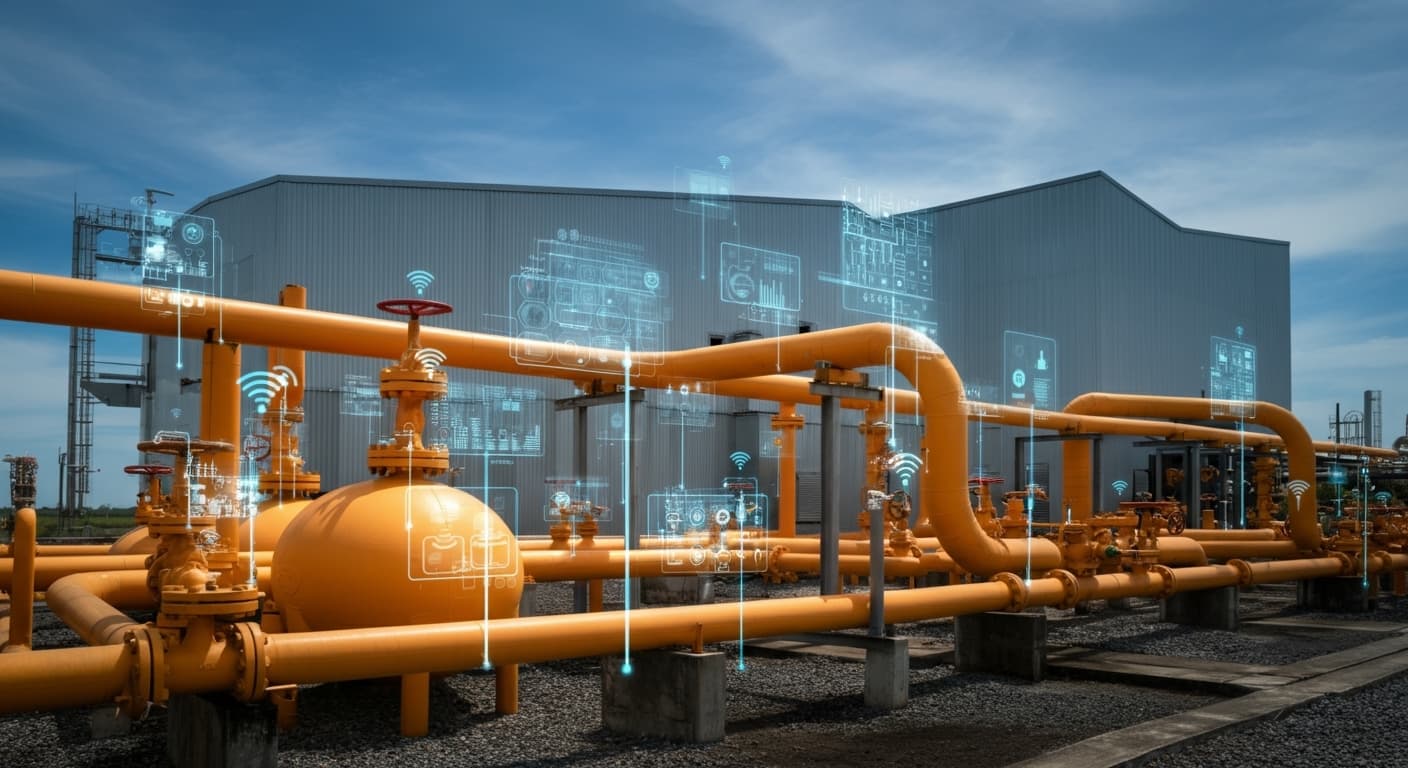
Investments are specifically targeting AI-powered hardware designed to enhance the precision and speed of leak detection and quantification. These smart systems integrate advanced sensors with cloud-based analytics, providing real-time data for proactive network management. The objective is to transition from reactive maintenance to predictive, data-driven operations.
This modernization effort is driven by a dual imperative: ensuring public safety and meeting increasingly stringent environmental regulations. Utilities are recognizing that traditional methods are no longer sufficient to manage complex, expansive gas grids. The adoption of digital tools offers a path toward greater accountability and operational control.
Analysts project the global smart gas grid market, valued at $3.5 billion in 2023, will expand to $10 billion by 2030. This growth underscores the widespread recognition among utilities that digital transformation is essential. The shift is critical for both operational efficiency and meeting environmental regulatory targets.
"This significant investment underscores the urgent global need for advanced solutions to modernize gas infrastructure and mitigate climate change. Our AI-powered Gas Safety Platform is specifically designed to meet these critical challenges, offering unparalleled accuracy in methane leak detection and quantification. We are committed to helping utilities worldwide transition to safer, more sustainable operations."
— Alex Tepper, CEO of Picarro
Picarro's Contribution to Network Safety
Picarro, a key player in this evolving market, offers its Gas Safety Platform (GSP), which leverages AI and high-precision sensors. This platform provides utilities with detailed, actionable insights into their gas distribution networks. Its capabilities extend beyond simple leak detection to accurate methane quantification, a crucial step for emissions reporting.
The GSP utilizes patented cavity ring-down spectroscopy technology, enabling highly accurate measurements of methane and other gases. This precision allows utilities to differentiate between natural gas leaks and biogenic sources, optimizing repair efforts. Such detailed data supports more informed decision-making regarding infrastructure maintenance.
The system is designed to help utilities pinpoint leaks with greater accuracy and speed, significantly reducing methane releases into the atmosphere. This technological advancement directly supports global efforts to combat climate change by curbing greenhouse gas emissions. Enhanced detection also contributes to improved public safety by identifying potential hazards more quickly.
By adopting systems like Picarro's, utilities can optimize their operational expenditures and reduce gas losses. The shift towards predictive maintenance minimizes emergency repairs and extends the lifespan of existing infrastructure. This strategic investment benefits both environmental goals and long-term financial sustainability for gas providers.
The substantial $4 billion investment signals a clear industry commitment to modernizing gas distribution networks globally. As utilities continue to face pressure to enhance safety and reduce environmental impact, AI-powered solutions will be central to their strategies. This ongoing digital transformation is set to redefine how gas infrastructure is managed, moving towards a more sustainable and efficient future.
Stay Ahead of the News
Get the latest business news and company spotlights delivered to your inbox. No spam, unsubscribe any time.
We respect your privacy. Unsubscribe at any time.