Genasys secures $1.4 million in international orders for its LRAD acoustic hailing systems
Orders reflect broader government and military spending on non-lethal deterrence and mass notification technology
Deal underscores how maritime security threats and border enforcement priorities are shaping niche defense markets
Genasys Inc. has booked $1.4 million in orders for its Long Range Acoustic Device (LRAD) systems from international customers, the San Diego-based public safety technology company disclosed. The order flow, while modest in dollar terms, arrives as governments and military organizations worldwide expand budgets for acoustic hailing, warning, and crowd-management equipment—a category that has quietly grown in relevance as maritime piracy, border tensions, and public safety incidents draw renewed attention.
Why Acoustic Deterrence Is Back on Procurement Lists
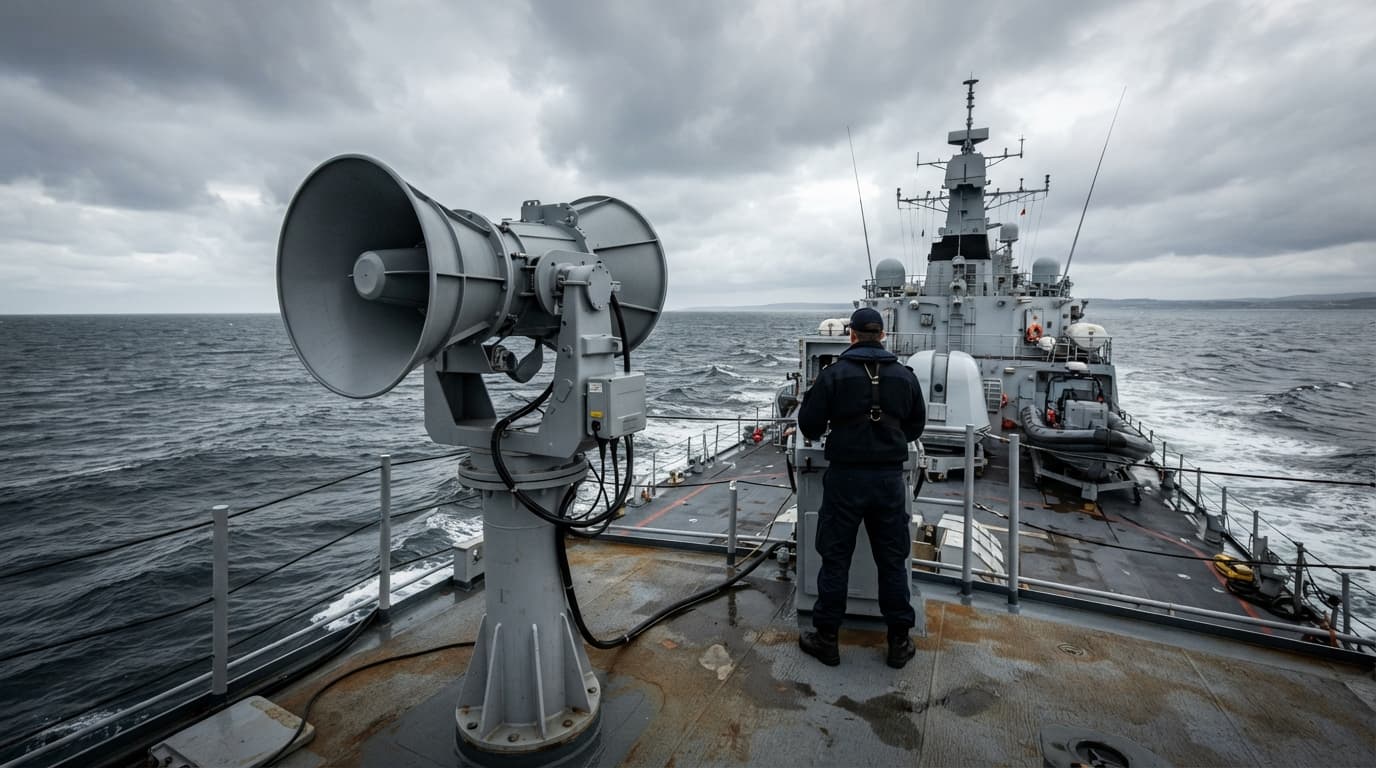
LRAD systems, which project directed, high-intensity sound over long distances, were originally developed for military and maritime use, including deterring small-boat attacks on commercial vessels. Over the past two decades they have expanded into law enforcement, border security, and emergency notification roles, giving Genasys a customer base that spans defense ministries, coast guards, and civilian agencies.
The latest international orders fit a pattern that has defined the company's business for years: a steady drip of contracts from multiple countries rather than a single, large transaction. That diversification can insulate a niche defense contractor from the volatility of depending on one government's budget cycle.
Maritime security has been a persistent driver of demand for this technology. Attacks on commercial shipping in contested waterways, including disruptions in the Red Sea corridor that have been widely covered by Reuters, have kept ship operators and naval forces focused on non-lethal deterrence tools that can warn or repel approaching vessels without escalating to lethal force.
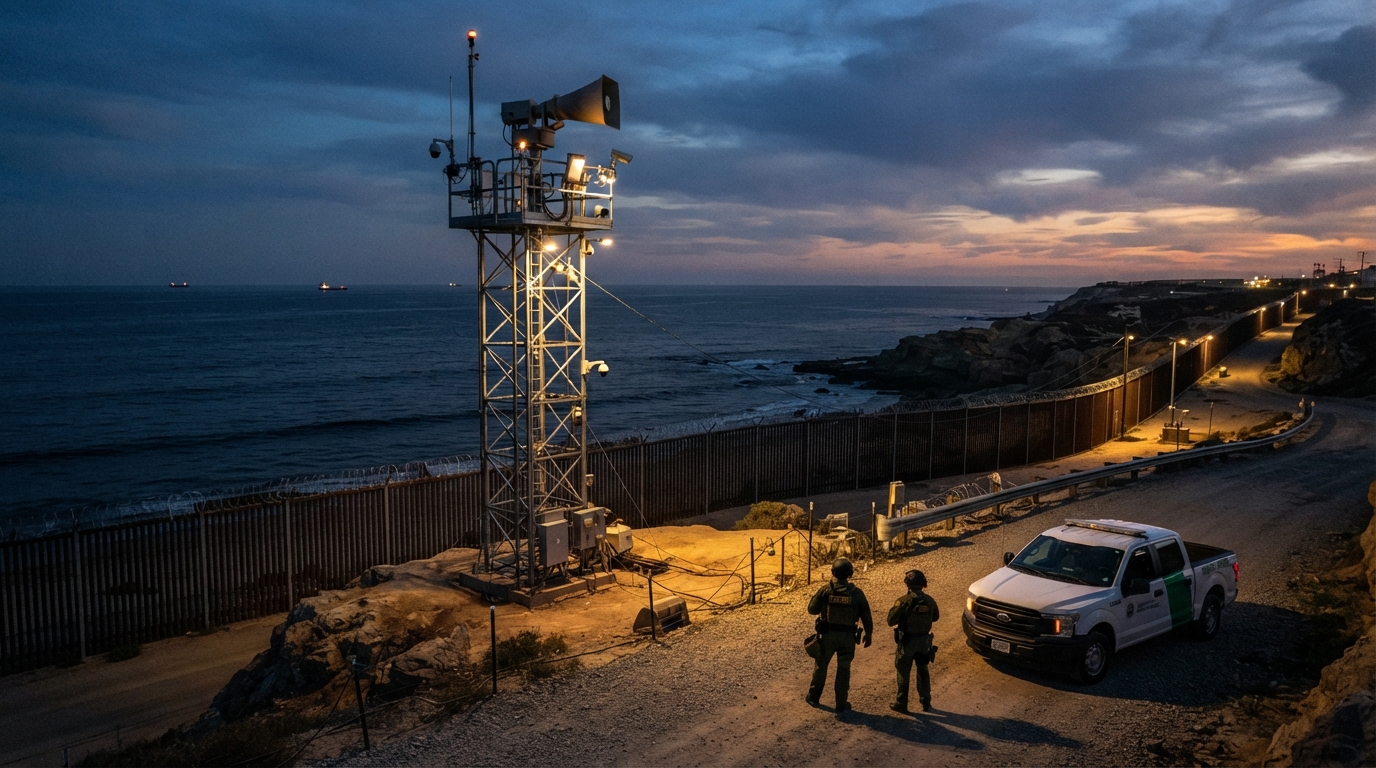
Border security agencies have also broadened their use of long-range communication devices, deploying them for crowd dispersal, evacuation alerts, and perimeter warnings. This dual-use appeal—serving both defense and civilian safety functions—has helped companies like Genasys diversify beyond purely military contracts.
Genasys Orders Point to Global Security Tech Demand
A Small Order in a Fragmented Defense-Tech Niche
Compared with headline-grabbing defense contracts worth hundreds of millions, a $1.4 million order is modest. But the acoustic hailing and mass-notification segment is itself a smaller, specialized corner of the broader security technology market, where contract sizes are often incremental rather than transformational.
For a company of Genasys's scale, recurring international orders in this range function as evidence of sustained demand rather than a single breakthrough win. Investors and analysts tracking small-cap defense and public safety technology firms typically weigh the cumulative pace of such orders over a fiscal year more heavily than any individual announcement.
The geographic spread of international buyers also matters. Governments in regions facing maritime piracy risks, unstable borders, or large-scale public gatherings represent a durable, if fragmented, source of demand that does not rely on any single national defense budget.
What the Order Signals About Broader Industry Trends
The announcement lands amid a wider global trend of governments increasing spending on non-lethal and dual-use security technologies, partly in response to rising maritime threats and partly due to growing scrutiny of lethal force in crowd-control situations. Acoustic devices occupy a middle ground that appeals to procurement officers seeking options short of firearms.
This dynamic mirrors patterns seen across other specialized technology suppliers that serve public safety and defense clients simultaneously, where operational readiness and consistent order flow often matter more to long-term valuation than any single contract. Companies positioning themselves at that intersection of civilian and military demand, similar to firms building operational readiness ahead of anticipated growth, tend to benefit when governments prioritize flexible, reusable equipment over single-purpose systems.
Currency fluctuations, export licensing requirements, and shifting defense budgets across different countries remain variables that can affect the pace of future orders for companies like Genasys. International sales of security equipment are also subject to varying regulatory approval processes, which can extend timelines between initial interest and finalized contracts.
The $1.4 million in orders adds to a track record of incremental international demand for Genasys's acoustic hailing technology, reflecting continued government interest in non-lethal deterrence and mass notification tools. While the figure itself is not large by defense-industry standards, it reinforces a broader pattern of diversified, recurring demand tied to maritime security and public safety priorities. Future order announcements, and their geographic spread, will likely offer the clearest signal of whether this niche market continues to expand.
⭐
Business Spotlight
This article is a premium Business Spotlight feature — an in-depth profile with priority homepage placement. Contact us to be featured.
Stay Ahead of the News
Get the latest business news and company spotlights delivered to your inbox. No spam, unsubscribe any time.