A growing number of third-party websites promise free, anonymous access to TikTok Stories without an account or app download
These tools typically monetize through advertising, affiliate links and data collection rather than any partnership with TikTok
Platform policy experts and security researchers warn users face privacy, security and terms-of-service risks when using unauthorized viewers
A wave of websites marketing themselves as free TikTok "story viewers" has proliferated in recent months, offering users the ability to watch TikTok Stories, profiles and videos without logging in, downloading the app or creating an account. The appeal is straightforward: anonymity and convenience. But the business model behind these tools, and the risks attached to using them, deserve closer scrutiny than the marketing copy provides.
The Business Model Behind "Free" Viewing Tools
None of these third-party viewer sites are affiliated with or endorsed by TikTok. They operate by scraping publicly accessible content from the platform and repackaging it through a separate interface, often stripped of ads and account requirements that TikTok itself uses to generate revenue and gather user data.
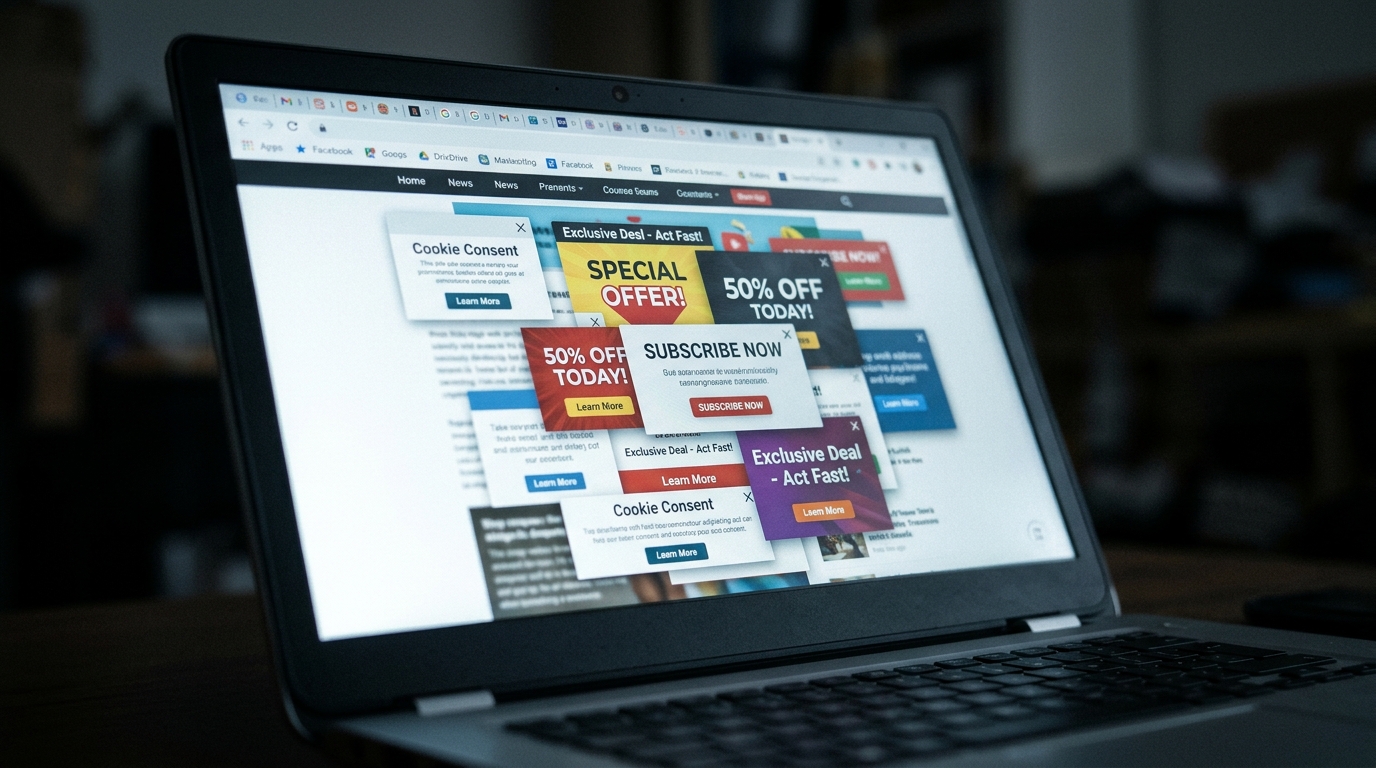
Because the sites themselves need to make money, they typically rely on display advertising, pop-ups, affiliate marketing and, in some cases, the sale of aggregated traffic data to third parties. Some bundle browser extensions or require users to complete surveys and app installs before granting access, a pattern long associated with lower-quality ad networks.
This is not a new phenomenon. Similar "story viewer" and "profile tracker" tools have circulated for years around Instagram, Snapchat and WhatsApp, each promising anonymity and each generating revenue primarily from traffic monetization rather than any licensing arrangement with the underlying platform.
The durability of this niche suggests consistent consumer demand for anonymous browsing, even where the underlying technical premise, bypassing a platform's own access controls, sits in a legal and ethical gray zone.
Free TikTok Viewer Tools Hide Real Costs
Privacy and Security Trade-Offs
Security researchers who have examined similar scraping tools in the past routinely flag concerns around malicious redirects, aggressive tracking scripts and, in some cases, credential-harvesting attempts disguised as login prompts. Users seeking anonymity by using a third-party viewer may unknowingly expose themselves to more data collection, not less.
The infrastructure required to run high-traffic scraping operations at scale is not trivial, and it reflects a broader pattern across the digital advertising economy, where free consumer tools are underwritten by data harvesting and ad-serving systems running continuously in the background. That dynamic echoes concerns raised elsewhere about the growing computing and energy demands tied to expanding online traffic and data processing, a theme examined in Virginia Summit Confronts AI's Power Crunch.
TikTok's own Transparency Center outlines the platform's policies on data access and prohibits unauthorized scraping of user content, a stance consistent with most major social platforms. Users of third-party viewers have little recourse if their data is mishandled, since these sites typically operate outside the jurisdiction and accountability structures that govern TikTok itself.
Platform Policy and Regulatory Pressure
Social media platforms have increasingly tightened technical defenses against scraping, including rate limiting, bot detection and legal action against operators who systematically harvest content. TikTok, like Meta and X before it, has pursued enforcement against entities that violate its terms of service through automated data collection.
Regulators in several jurisdictions have also turned their attention to data scraping more broadly, following high-profile cases involving other platforms where scraped personal data was later resold or exposed in breaches. This regulatory interest is likely to intensify as data protection authorities scrutinize the broader ecosystem of apps and sites that monetize access to social platforms without formal agreements.
For businesses operating in the influencer marketing or social analytics space, the distinction matters commercially as well as legally. Tools built on official APIs and licensed data access carry fundamentally different risk profiles than those relying on unauthorized scraping, a distinction that enterprise clients and advertisers are increasingly expected to understand before adopting third-party monitoring tools.
The appeal of free, anonymous access to social media content is unlikely to fade, and neither is the cottage industry built around supplying it. But the gap between what these tools promise and how they actually generate revenue underscores a familiar pattern in the consumer internet: when a service is free, the business model usually depends on the user's data, attention or both. Anyone drawn to these tools would do well to weigh that trade-off before clicking through.
⭐
Business Spotlight
This article is a premium Business Spotlight feature — an in-depth profile with priority homepage placement. Contact us to be featured.
Stay Ahead of the News
Get the latest business news and company spotlights delivered to your inbox. No spam, unsubscribe any time.