
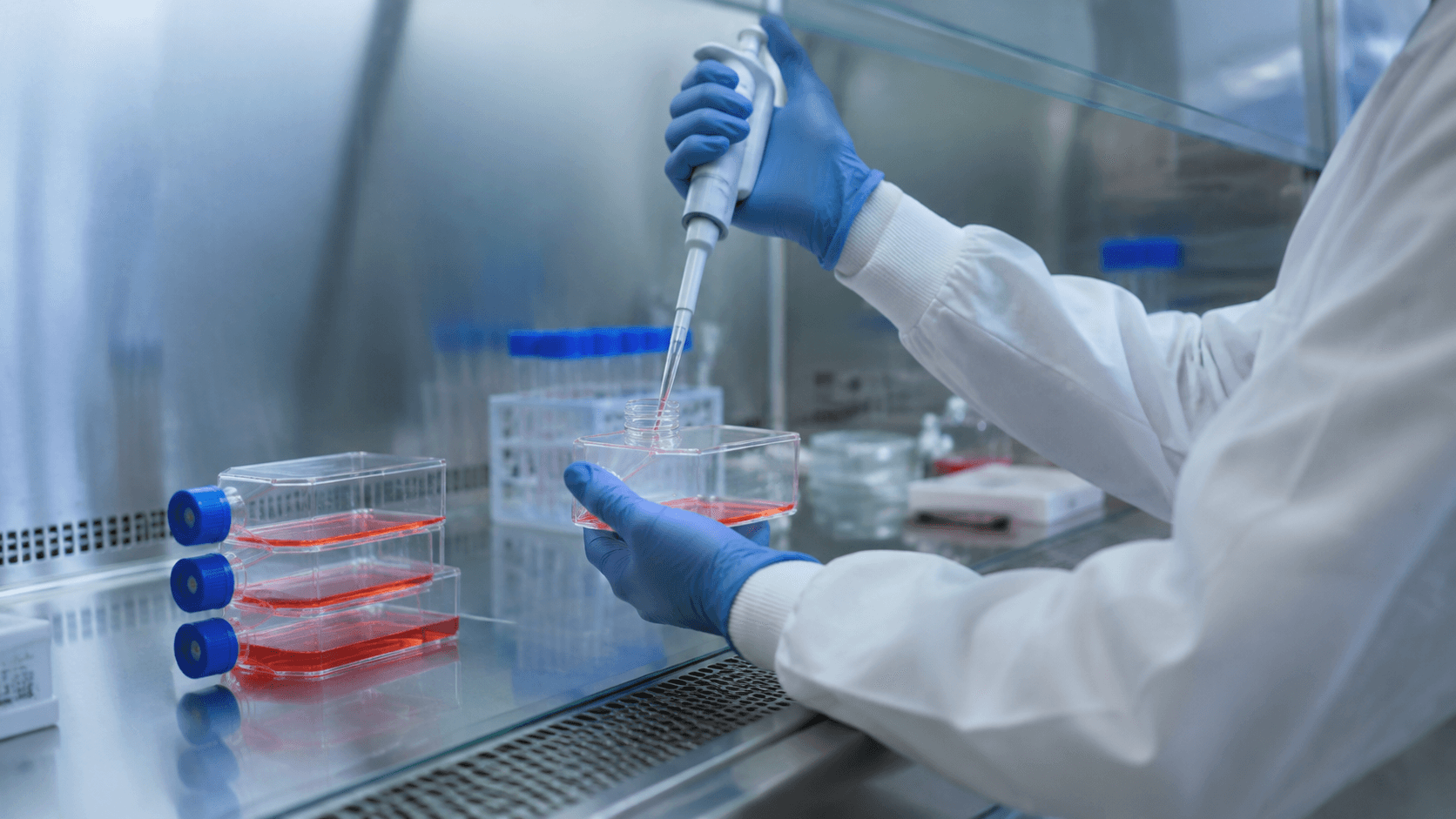
At a Glance
- The global cell therapy human raw materials market is projected to reach USD 18.94 billion by 2035.
- This significant growth is driven by a compound annual growth rate (CAGR) of 16.3%.
- Advancements in cell and gene therapies and increasing R&D investment are key market drivers.
The global market for human raw materials essential to cell therapy is poised for substantial expansion, with projections indicating a valuation of USD 18.94 billion by 2035. This remarkable growth trajectory is supported by a compound annual growth rate (CAGR) of 16.3% over the forecast period, reflecting the escalating demand for advanced therapeutic solutions. The market's upward trend underscores the critical role these specialized biological inputs play in the rapidly evolving biotechnology and healthcare sectors worldwide.
Drivers of Market Expansion
The burgeoning cell therapy market is the primary catalyst for the increasing demand for human raw materials. Breakthroughs in regenerative medicine, oncology, and rare disease treatments are fueling a robust pipeline of new cell-based therapies. These therapeutic modalities often require specific human-derived components for research, development, and manufacturing.
Significant investments in biotechnology research and development (R&D) across both private and public sectors are further propelling market growth. Pharmaceutical companies, academic institutions, and contract research organizations (CROs) are dedicating substantial resources to accelerate the discovery and commercialization of cell therapies. This intensified R&D activity necessitates a reliable and scalable supply of high-quality human raw materials.
The rising prevalence of chronic and life-threatening diseases globally also contributes to the market's expansion. Conditions such as cancer, autoimmune disorders, and neurodegenerative diseases are increasingly being targeted by cell-based interventions, which offer new hope where traditional treatments may fall short. As these therapies advance through clinical trials and gain regulatory approval, the demand for their foundational components will continue to surge.
Moreover, the increasing adoption of personalized medicine approaches, where treatments are tailored to individual patient profiles, inherently relies on precise and often human-specific biological materials. This shift towards individualized care paradigms positions human raw materials as indispensable inputs for future medical innovations. The specialized nature and stringent quality requirements for these materials also command premium pricing, contributing to the market's overall value.
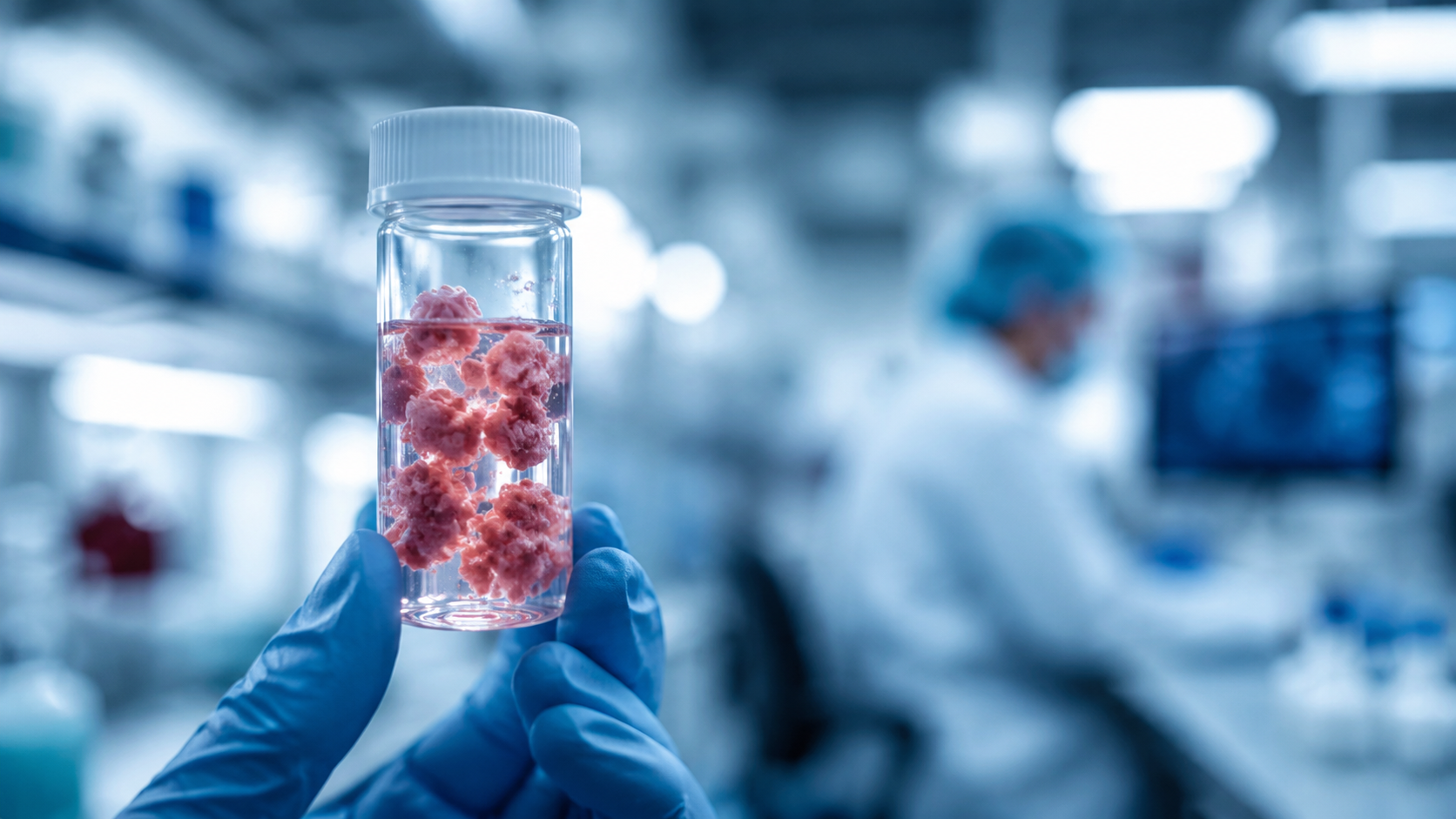
Market Segmentation and Key Players
The global cell therapy human raw materials market is segmented by product type, application, and end-user, among other factors. Key product segments typically include human cells (such as mesenchymal stem cells, induced pluripotent stem cells, and T-cells), growth factors, cytokines, and specialized cell culture media. Each segment plays a vital role in different stages of cell therapy development and production.
Applications range from gene editing and immunotherapy to tissue engineering and regenerative medicine, each presenting unique demands for specific raw materials. The end-user landscape comprises pharmaceutical and biotechnology companies, academic and research institutions, and contract manufacturing organizations (CMOs). These diverse entities contribute to the market's dynamism and drive innovation in raw material sourcing and processing.
The market is characterized by a mix of established life science companies and specialized biotechnology firms. These entities are focused on ensuring the ethical sourcing, quality control, and consistent supply of human-derived materials. Adherence to strict regulatory guidelines, such as those set by the U.S. Food and Drug Administration (FDA) and other international bodies, is paramount to maintain product integrity and patient safety.
Competition in this specialized market segment often revolves around product purity, consistency, scalability of supply, and the provision of comprehensive support services. Companies are investing in advanced analytical techniques and robust supply chain management to meet the stringent requirements of cell therapy developers. Strategic collaborations and partnerships are also common as firms seek to expand their portfolios and geographic reach.
The trajectory of the global cell therapy human raw materials market signals a period of sustained and significant growth, underpinned by scientific advancements and clinical successes in cell-based therapies. As research continues to broaden the scope of these treatments and manufacturing processes become more refined, the demand for high-quality, ethically sourced human raw materials will remain central to the industry's progress. Stakeholders across the healthcare ecosystem are actively working to address challenges related to supply chain resilience and regulatory harmonization to support this vital sector.