Global ultrasound devices market projected to grow from $10.9 billion in 2025 to $18.0 billion by 2036, a 4.7% CAGR
Shift from cart-based systems to portable and handheld devices reshaping point-of-care diagnostics
North America led with 30.1% revenue share in 2025; radiology/general imaging topped applications at 23.2%
The global market for ultrasound devices is on track to nearly double in size over the next decade, climbing from an estimated $10.9 billion in 2025 to $18.0 billion by 2036, according to new projections from Transparency Market Research. The forecast, reflecting a compound annual growth rate of 4.7% between 2026 and 2036, points to a steady rather than explosive expansion — but one built on a structural shift in how and where medical imaging is delivered.
From Hospital Corridors to Bedside Devices
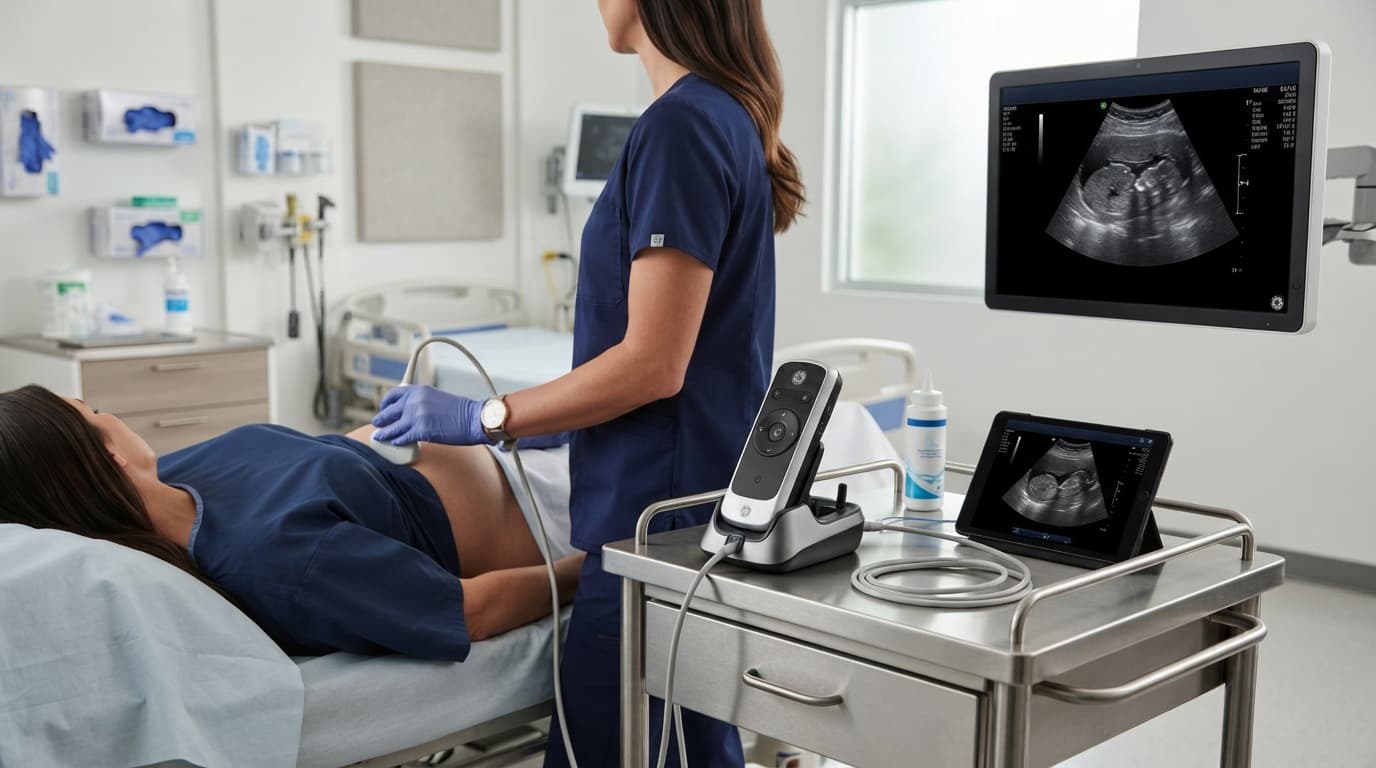
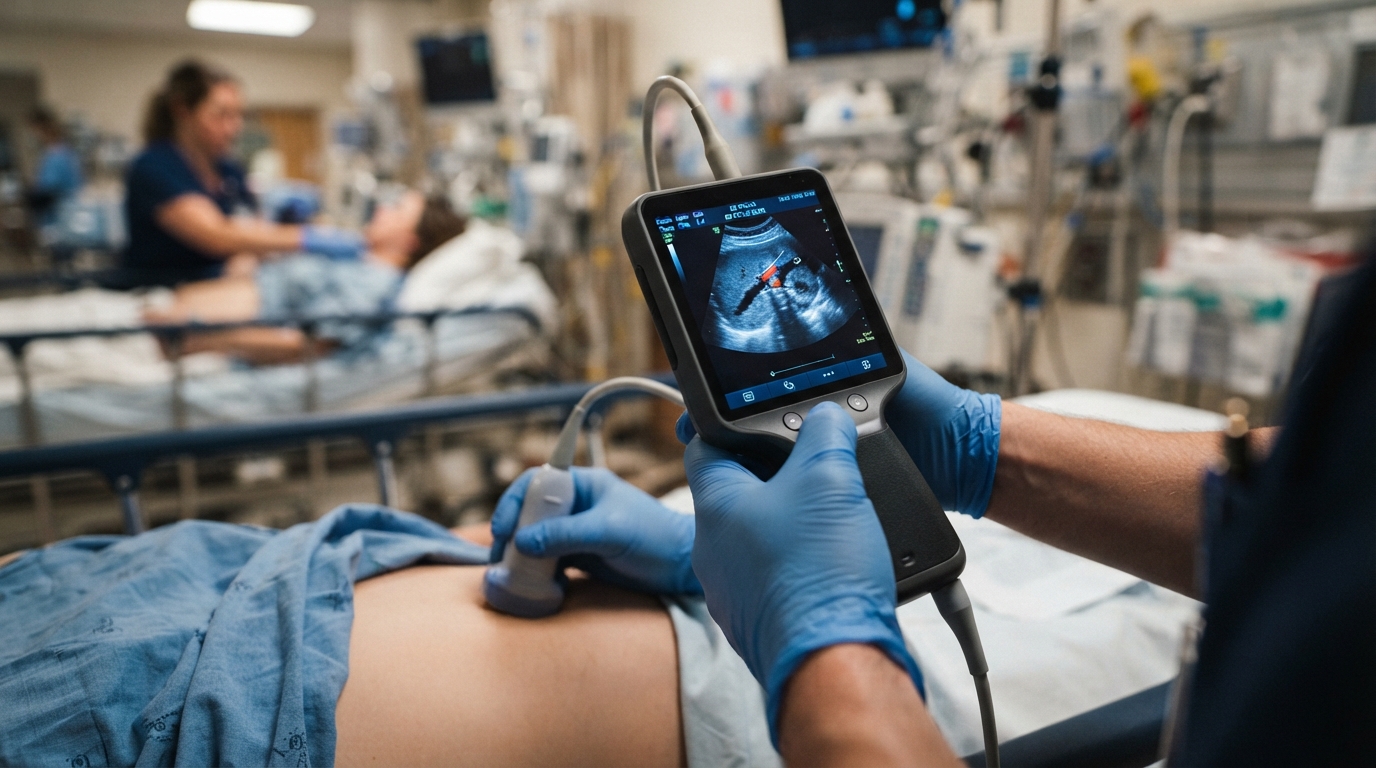
The core story behind the numbers is not simply more scanning, but a change in where scanning happens. Point-of-care ultrasound, or POCUS, has moved imaging out of dedicated radiology suites and into emergency departments, intensive care units, primary care clinics, and ambulatory settings.
This decentralization has been made possible by steady gains in miniaturization, battery life, wireless connectivity, and image-processing software, which have narrowed the performance gap between handheld units and traditional cart-based machines.
Radiology and general imaging remained the largest single application category in 2025, accounting for 23.2% of the market, underscoring that conventional diagnostic use still anchors demand even as newer, portable formats gain traction in specialized and decentralized settings.
North America's dominant 30.1% revenue share in 2025 reflects a familiar pattern in medical technology adoption: markets with established reimbursement systems and dense hospital networks tend to absorb new imaging modalities fastest, while regions with less imaging infrastructure stand to benefit disproportionately from lower-cost portable alternatives.
Ultrasound Market Bets Big on Handheld Devices
Chronic Disease Burden Meets a Software Race
Rising rates of cardiovascular disease, cancer, and liver disorders are cited as a structural driver of sustained scanning volumes, since ultrasound's non-invasive, radiation-free profile makes it suitable for the repeat examinations that chronic disease monitoring requires. That dynamic — an aging, increasingly chronically ill global population needing frequent, low-risk diagnostic touchpoints — is not unique to ultrasound but is shaping demand across the broader medical imaging sector.
What differentiates this market's near-term trajectory is the software layer being built on top of the hardware. Artificial intelligence-assisted image optimization, automated measurements, and workflow guidance are increasingly framed by manufacturers as differentiators rather than add-ons, a pattern consistent with how AI has reshaped competitive dynamics across other technology categories, as explored in discussions of AI's growing role in business decision-making. Cloud connectivity, which allows images to be shared and reviewed remotely, adds a further layer of value that is harder for lower-cost entrants to replicate quickly.
The competitive field named in the research includes established medical technology names such as Koninklijke Philips N.V., GE HealthCare, Siemens Healthcare, Canon Medical Systems, Mindray Medical, Samsung Medison, and FUJIFILM Sonosite, alongside smaller specialists like Esaote, Hitachi, and Teratech Corporation's Terason division. Their parallel investment in portability, AI integration, and workflow automation suggests the market's next phase of growth will be won on software differentiation as much as on imaging hardware.
Even at a moderate 4.7% annual growth rate, the ultrasound devices market's trajectory toward $18.0 billion by 2036 signals a durable, technology-driven expansion rather than a short-term cyclical bump. The bigger question for manufacturers, health systems, and investors is whether reimbursement frameworks and clinician training can keep pace with the shift toward decentralized, AI-assisted imaging — a gap that, if unaddressed, could slow adoption in precisely the underserved regions where portable ultrasound promises the greatest benefit.
Stay Ahead of the News
Get the latest business news and company spotlights delivered to your inbox. No spam, unsubscribe any time.