
At a Glance
- Global demand for solar shingles rises as nations prioritize energy independence.
- Building-integrated photovoltaics offer a dual-purpose solution for modern roofing.
- North American and European regions lead the market in total installations.
The global solar shingles market is undergoing a significant transformation as nations prioritize energy security and residential sustainability. Recent data suggests that the integration of photovoltaic technology into traditional roofing materials is no longer a niche luxury but a primary component of modern construction. This shift comes as homeowners seek to mitigate rising utility costs while contributing to national carbon reduction goals. Analysts project steady growth for the sector through the end of the decade as manufacturing costs continue to decline.
Residential Demand and Technological Integration
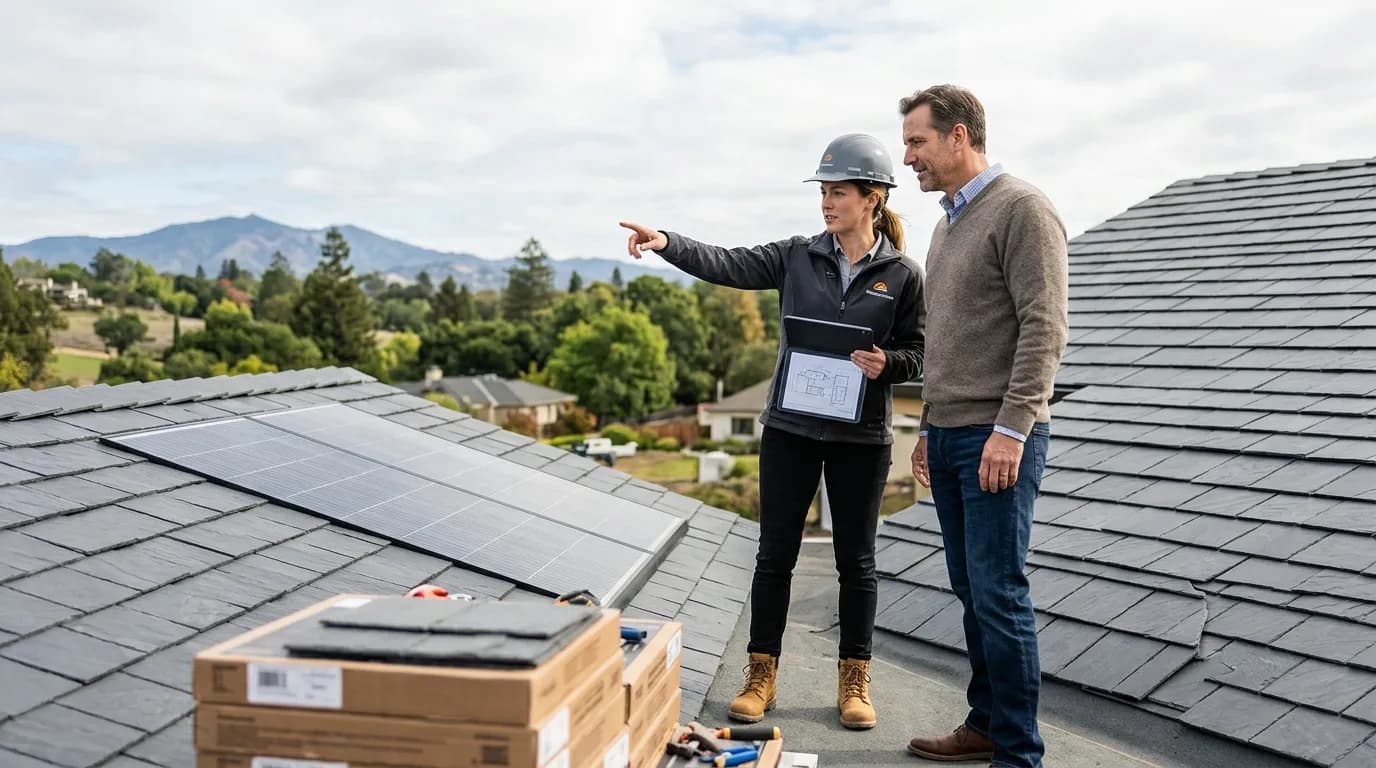
Homeowners are increasingly choosing solar shingles over traditional bolt-on panels due to aesthetic considerations and structural efficiency. These building-integrated photovoltaics serve the dual purpose of protecting the home from weather elements while generating clean electricity. This dual-functionality reduces the total cost of ownership over the lifespan of the roof. Many property owners view these systems as a long-term investment in home equity.
Advancements in thin-film technology have improved the efficiency of these shingles, making them competitive with standard solar modules. Manufacturers are now producing tiles that can withstand extreme weather conditions, including high winds and heavy hail. This durability is a major selling point for residents in regions prone to severe storms. The increased efficiency allows for a smaller footprint on the roof while maintaining high energy output.
The market is also benefiting from favorable government policies and tax incentives aimed at reducing reliance on fossil fuels. Programs like the federal Investment Tax Credit in the United States have made the initial investment more manageable for the average household. As a result, firms like Market Research Future report a surge in installation inquiries across North American and European markets. These incentives are expected to remain a primary driver for the foreseeable future.
Smart home integration is another factor pushing the adoption of solar roofing systems. New shingles are designed to connect with home energy management software, allowing residents to monitor production in real-time. This connectivity helps families optimize their energy consumption patterns to maximize savings. Modern systems often include battery storage options to ensure power availability during grid outages.
"The integration of solar power directly into building materials represents the next phase of the energy transition. As grid reliability becomes a concern for many communities, self-generation through roofing systems offers a practical solution for long-term energy independence."
— Michael Richardson, Senior Analyst at Market Research Future
Regional Growth and Economic Impact
The North American region currently holds a dominant position in the solar shingles market, driven by high consumer awareness and a strong presence of key industry players. California remains a leader in adoption due to state-level mandates requiring solar installations on new residential builds. Other states are following suit as the economic benefits of decentralized power become more apparent. Local governments are also simplifying the permitting process to encourage faster deployment.
European markets are seeing rapid expansion as the continent moves to decouple its energy needs from external gas suppliers. Germany and the United Kingdom have seen a rise in building-integrated projects as part of broader urban renewal initiatives. These projects demonstrate that heritage architecture can be preserved while incorporating modern energy solutions. The European Union's focus on green building standards continues to push the industry forward.
Supply chain improvements are helping to lower the price of raw materials used in solar tile production. Increased competition among manufacturers is driving down installation costs, which were previously a barrier to entry for many middle-income families. The development of standardized installation processes has also reduced the time required for roofing contractors to complete these projects. This efficiency gain is passed down to the consumer in the form of lower labor costs.
Commercial interest in solar shingles is also beginning to rise as businesses seek to meet environmental, social, and governance targets. Large-scale residential developments are incorporating these roofs to attract environmentally conscious buyers. This trend is creating a new segment within the construction industry focused on sustainable building materials. As the technology matures, the variety of available colors and styles is expected to expand.
Looking ahead, the solar shingles market is poised for sustained expansion as global energy security remains a top priority for policymakers. The transition toward building-integrated solutions will likely accelerate as the technology becomes more accessible and cost-effective for the general public. While challenges in grid integration and initial capital requirements persist, the long-term outlook for the industry remains positive. Continued investment in research and development will be essential to maintain this momentum in a competitive energy market.