

At a Glance
- HTF Market Intelligence projects significant expansion through 2030
- Key drivers include rising urbanization and smart home adoption
- Major players like Amazon and Google dominate the competitive space
HTF Market Intelligence Consulting Pvt. Ltd. recently released a detailed study indicating that the global smart home organization tools market is poised for a significant upward trajectory between 2024 and 2030. This growth is driven by a surge in consumer demand for automated living solutions and the increasing integration of Internet of Things (IoT) technology in residential spaces. The report highlights how modern households are transitioning toward digital systems to manage daily chores and storage efficiency.
Market Dynamics and Strategic Drivers
The expansion of this sector is largely attributed to the rapid pace of global urbanization and the rising disposable income of tech-savvy homeowners. As living spaces become more compact in metropolitan areas, the need for intelligent storage and organization tools has moved from a luxury to a necessity. Consumers are increasingly seeking products that offer both functional utility and aesthetic appeal within their connected ecosystems.
Furthermore, the study identifies several key players that are currently shaping the industry's direction. Companies such as Amazon, Google, and Samsung are leading the charge by integrating organization features into their broader smart home platforms. This competitive environment encourages constant technical updates and price adjustments to capture a larger share of the emerging middle-class market.
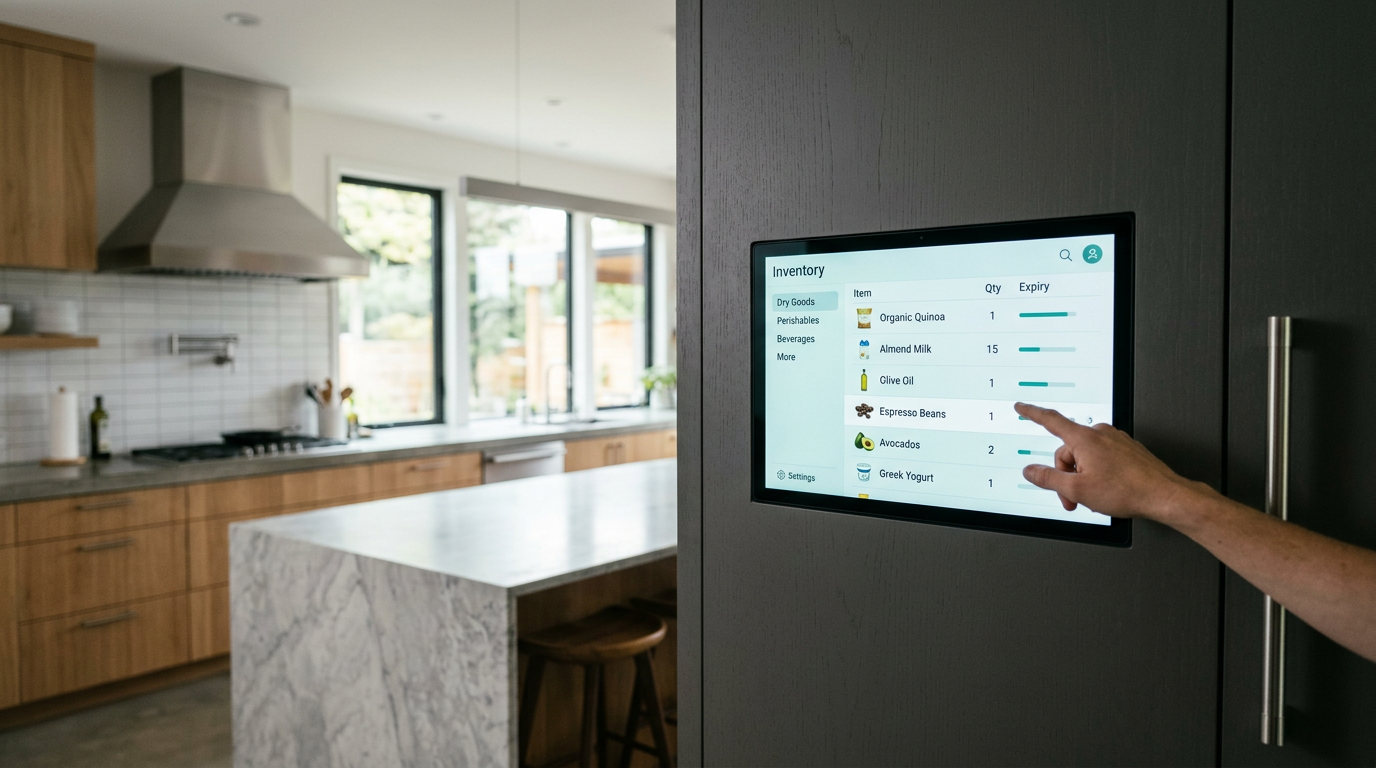
According to the research data provided by HTF Market Intelligence, the market segmentation covers various product types, including smart shelving, automated closets, and digital inventory trackers. These tools are being adopted across diverse demographics, though the highest concentration remains in North America and Europe. Analysts suggest that the Asia-Pacific region will likely see the fastest growth rate over the next five years due to massive infrastructure projects.
"The Smart Home Organization Tools market is seeing a huge influx of new players and technologies, making it one of the most dynamic sectors to watch in the coming years."
— Criag Francis, PR Manager at HTF Market Intelligence
Regional Analysis and Future Projections
The geographical breakdown of the report places a heavy emphasis on the North American market, which currently holds a dominant position due to early technology adoption. However, the European market is catching up quickly, fueled by strict energy efficiency regulations and a cultural shift toward sustainable home management. These regions are seeing a high volume of mergers and acquisitions as larger firms look to acquire niche technology startups.
Strategic shifts are also visible in the distribution channels used by these manufacturers. While traditional retail remains important, direct-to-consumer online platforms have become the primary growth engine for smart organization tools. This shift allows brands to collect valuable user data, which is then used to refine product designs and marketing strategies. The report notes that personalized user experiences are becoming a standard requirement for high-end organization systems.
Looking ahead, the integration of artificial intelligence is expected to be the next major phase for this industry. AI-driven systems will likely be able to predict household needs and suggest organizational changes before the user even recognizes a problem. This level of automation will further solidify the role of smart tools in modern property management and domestic life. The report concludes that companies failing to adopt these advanced data processing capabilities may struggle to remain relevant.
The smart home organization tools market represents a vital intersection of technology and lifestyle management. As the industry moves toward 2030, the focus will remain on interoperability between different brands and the simplification of user interfaces. Investors and stakeholders should watch for upcoming regulatory changes regarding data privacy, as these will influence how smart organization tools collect and store sensitive household information in the future.