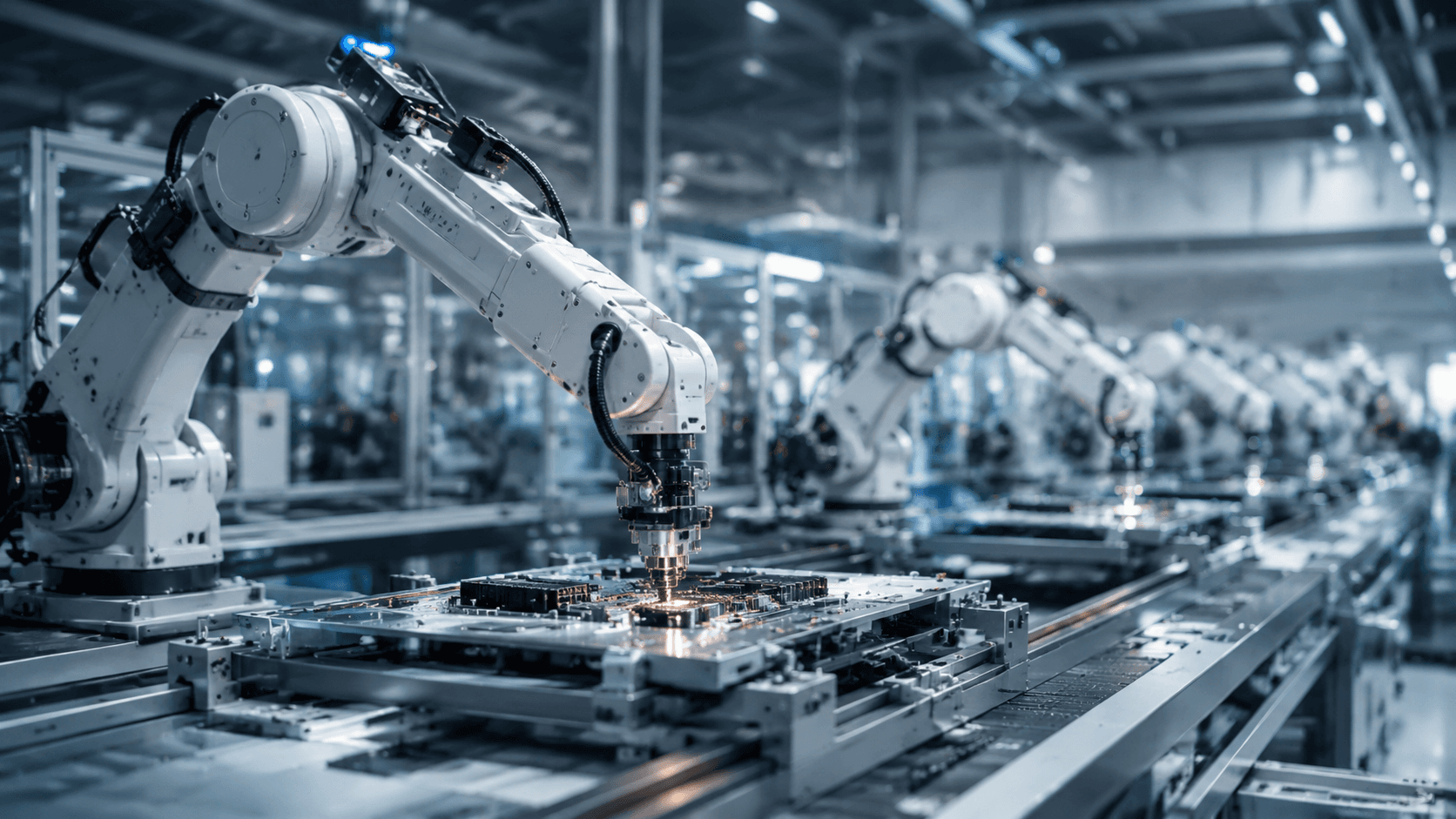
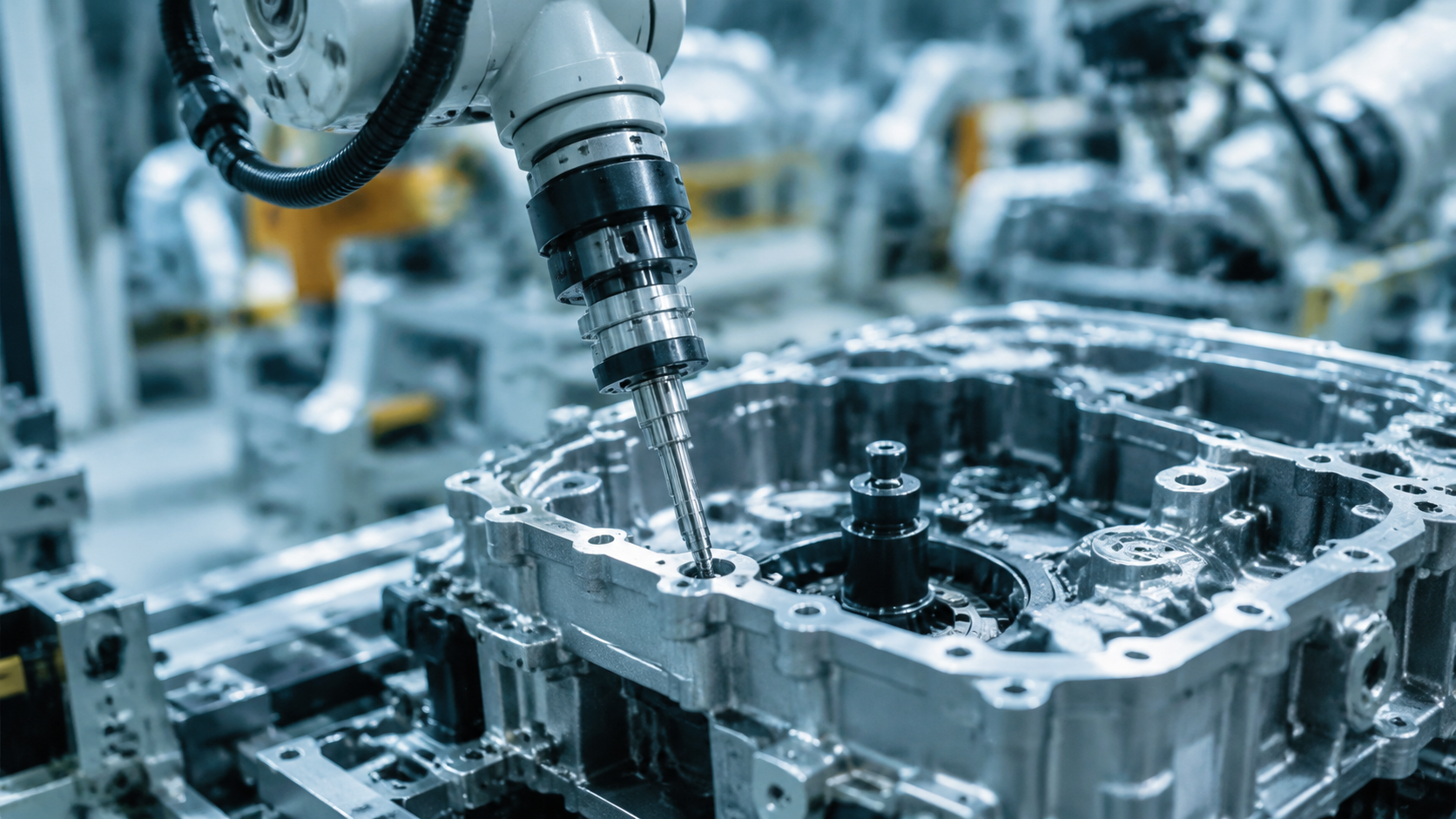
Global robotic screw-driving machine market projected to nearly double by 2032.
Market value expected to reach US$2.377 billion, up from US$1.25 billion in 2025.
Growth driven by accelerating automation adoption across diverse manufacturing sectors.
The global market for robotic screw-driving machines is poised for substantial expansion, with projections indicating a near-doubling in value by 2032. This growth underscores the accelerating adoption of automation technologies across diverse manufacturing sectors worldwide, as industries seek greater efficiency and precision in assembly processes.
Market Dynamics and Growth Drivers
The global market, valued at US$1250 million in 2025, is forecast to reach US$2377 million by 2032, exhibiting a compound annual growth rate (CAGR) of 9.6% from 2026. This trajectory highlights a significant shift towards automated assembly processes globally. The data, published by QYResearch, offers critical insights into this evolving industrial segment.
This expansion reflects a broader industrial imperative for enhanced precision, speed, and consistency in manufacturing. As labor costs fluctuate and demand for quality control intensifies, robotic solutions offer a compelling operational advantage. These systems reduce reliance on manual labor for repetitive tasks.
The increasing complexity of modern products, from consumer electronics to electric vehicles, further necessitates advanced assembly techniques. Robotic screw-driving machines address this need by ensuring repeatable accuracy and reducing human error in intricate tasks. This capability is becoming vital for maintaining product quality and production throughput.
The market's robust growth is underpinned by its widespread applicability across numerous industries. Key sectors driving demand include consumer electronics, automotive and EV component assembly, and medical device manufacturing, where precision and reliability are paramount. Household appliances and aerospace also represent significant application areas for these machines.
Technological advancements in robotic systems, encompassing types such as six-axis, SCARA, Cartesian, collaborative, and Delta machines, contribute to this versatility. Each configuration offers specific advantages, catering to varying production scales and complexity requirements. This ranges from delicate micro-assemblies to larger industrial components.
The expanding role of automation in manufacturing, particularly within the automotive sector, is evident as companies seek greater efficiencies. For instance, the automotive sector embraces advanced composites and sophisticated assembly lines to optimize production. This trend underscores the broader adoption of advanced manufacturing solutions.
The competitive landscape features a mix of established players and specialized automation firms. Companies like WEBER Schraubautomaten GmbH, DEPRAG SCHULZ GMBH u. CO. KG, OnRobot A/S, and Atlas Copco AB are among those shaping the market. They are driving innovation through product development and strategic expansions.
The robust growth forecast for the robotic screw-driving machine market signals a fundamental transformation in global manufacturing. As industries continue to prioritize automation for efficiency and quality, these specialized robotic systems are set to become an even more integral part of modern production lines, influencing investment strategies and operational paradigms worldwide.
Stay Ahead of the News
Get the latest business news and company spotlights delivered to your inbox. No spam, unsubscribe any time.