corporate_fareBusiness News & Info
BusinessNews Brief

NYC's Sidewalk Law Fuels a Quiet Repair Industry

Daniel HartleyDaniel Hartley17 August 2026573 words
NYC's Sidewalk Law Fuels a Quiet Repair Industry

Click Below To Share & Ask AI to Summarize This Article

Save time and get the key takeaways instantly. Choose your favourite AI assistant to read and analyse this page for you.

At a Glance

  • Bronx Sidewalk Repair offers concrete restoration for cracked, uneven, and tripping-hazard sidewalks across the Bronx and wider New York City
  • New York City law places sidewalk repair liability on property owners rather than the municipality, sustaining steady demand for private contractors
  • Services target damage from tree roots, weather, aging concrete, and heavy foot traffic across residential, commercial, and multi-family properties

A recent announcement from Bronx Sidewalk Repair highlights a detail many property owners in New York City discover only after an accident or a violation notice: unlike in most cities worldwide, sidewalk upkeep in the five boroughs is largely the legal responsibility of the adjacent property owner, not the city government. The company says it provides repair and concrete replacement services for cracked, uneven, and deteriorated sidewalks throughout the Bronx and surrounding areas, working with landlords, contractors, and building managers.

A Liability Shifted to Property Owners

New York City's approach to sidewalk maintenance differs from the arrangement found in many other jurisdictions, where municipal public works departments handle pavement upkeep directly. Under city rules, owners of adjoining property are generally responsible for keeping sidewalks in good repair, which means a cracked slab or a root-heaved section of pavement can become the owner's financial and legal problem rather than the city's.

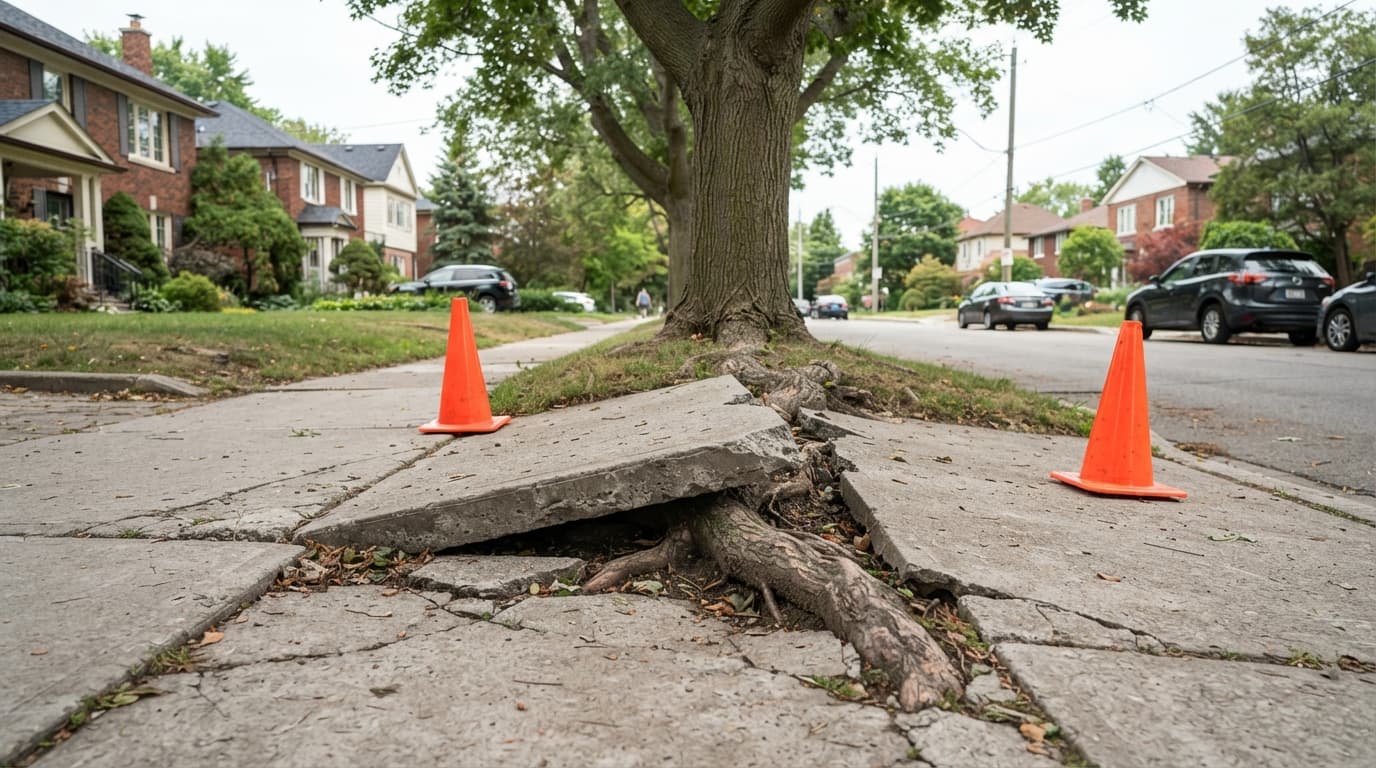
That framework has effectively created a standing market for specialist contractors who understand both the physical causes of sidewalk failure and the compliance side of the work. Bronx Sidewalk Repair positions itself within that space, citing weather exposure, aging concrete, tree root intrusion, and heavy pedestrian volume as the recurring culprits behind damaged walkways.

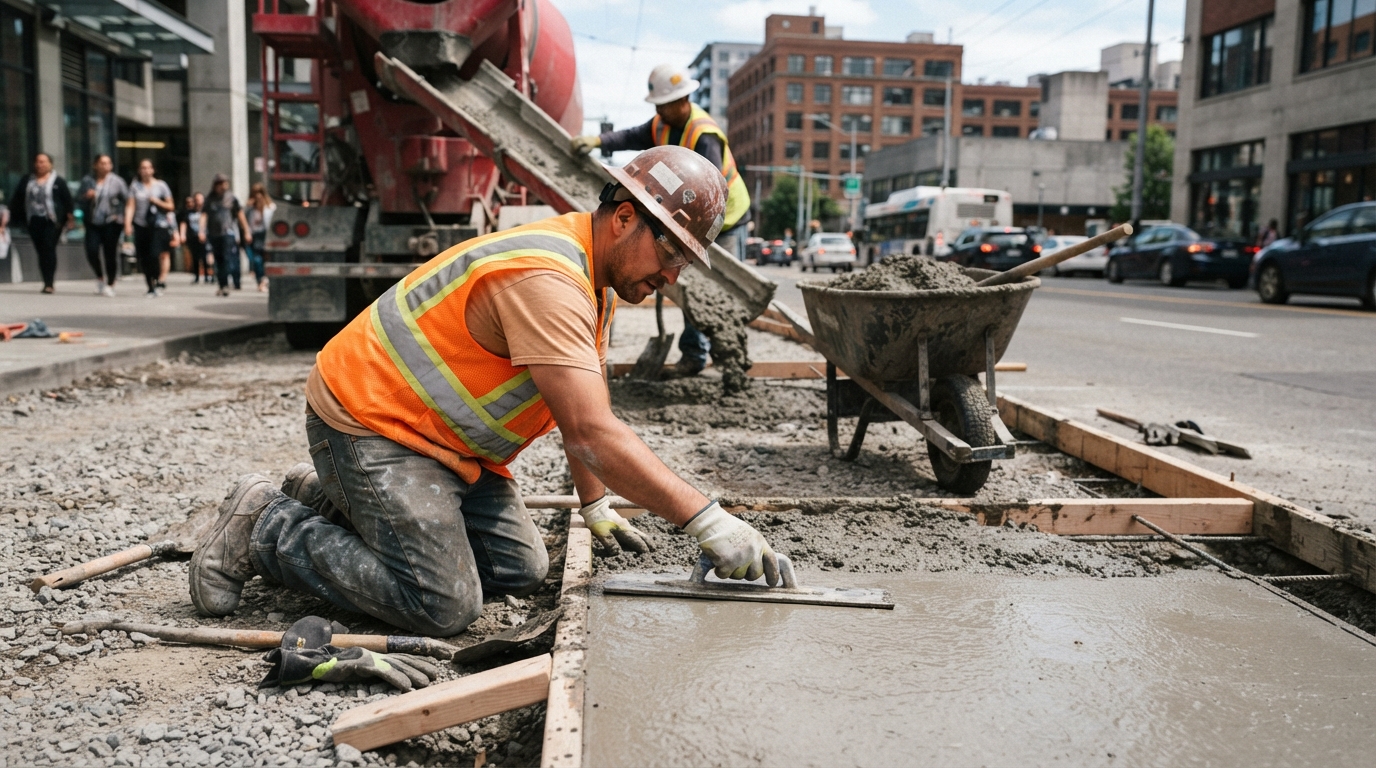
For landlords managing multiple properties, the incentive to act before damage worsens is straightforward: unaddressed defects can expose owners to greater repair costs and potential liability if someone is injured on a broken sidewalk. The company describes its work as scoped to the condition of each site, suggesting repairs range from spot patching to full concrete replacement depending on severity.
NYC's Sidewalk Law Fuels a Quiet Repair Industry

Infrastructure Age Meets a Tighter Trades Pipeline

The Bronx, like much of New York City, sits on a concrete network that has aged for decades under freeze-thaw cycles, heavy foot traffic, and expanding tree canopies planted along residential blocks. Root systems that lift and crack pavement are a slow-moving but persistent source of damage, meaning demand for concrete repair work tends to be structural rather than seasonal.

That steady demand runs alongside a broader challenge facing skilled trades globally: attracting and retaining workers capable of doing physical repair and construction work as veteran tradespeople retire. Contractors in sidewalk and concrete repair, much like other construction and trades sectors adapting to workforce pressures, must balance hands-on labor demand with the practicalities of scheduling, permitting, and compliance work that city rules impose on property owners.

Bronx Sidewalk Repair's service list, spanning concrete replacement, trip hazard correction, and sidewalk restoration, reflects the range of work such compliance-driven demand typically generates, from minor cosmetic fixes to full slab replacement.

Bronx Sidewalk Repair says it will continue serving property owners across the Bronx and wider New York City area, framing its offering around the practical reality that sidewalk defects tend to worsen without intervention. As the city's building stock and street trees continue to age, the underlying dynamic that drives this kind of work, an owner-liability model paired with aging infrastructure, is unlikely to change soon, keeping local repair contractors in steady demand.

Stay Ahead of the News

Get the latest business news and company spotlights delivered to your inbox. No spam, unsubscribe any time.

We respect your privacy. Unsubscribe at any time.