At a Glance
- Musashi Japan by Taimatsu introduces the "Road to Shogun" campaign to highlight heritage.
- The project focuses on traditional blacksmithing techniques from Sakai and Echizen.
- Strategic expansion plans target high-end culinary markets in North America and Europe.
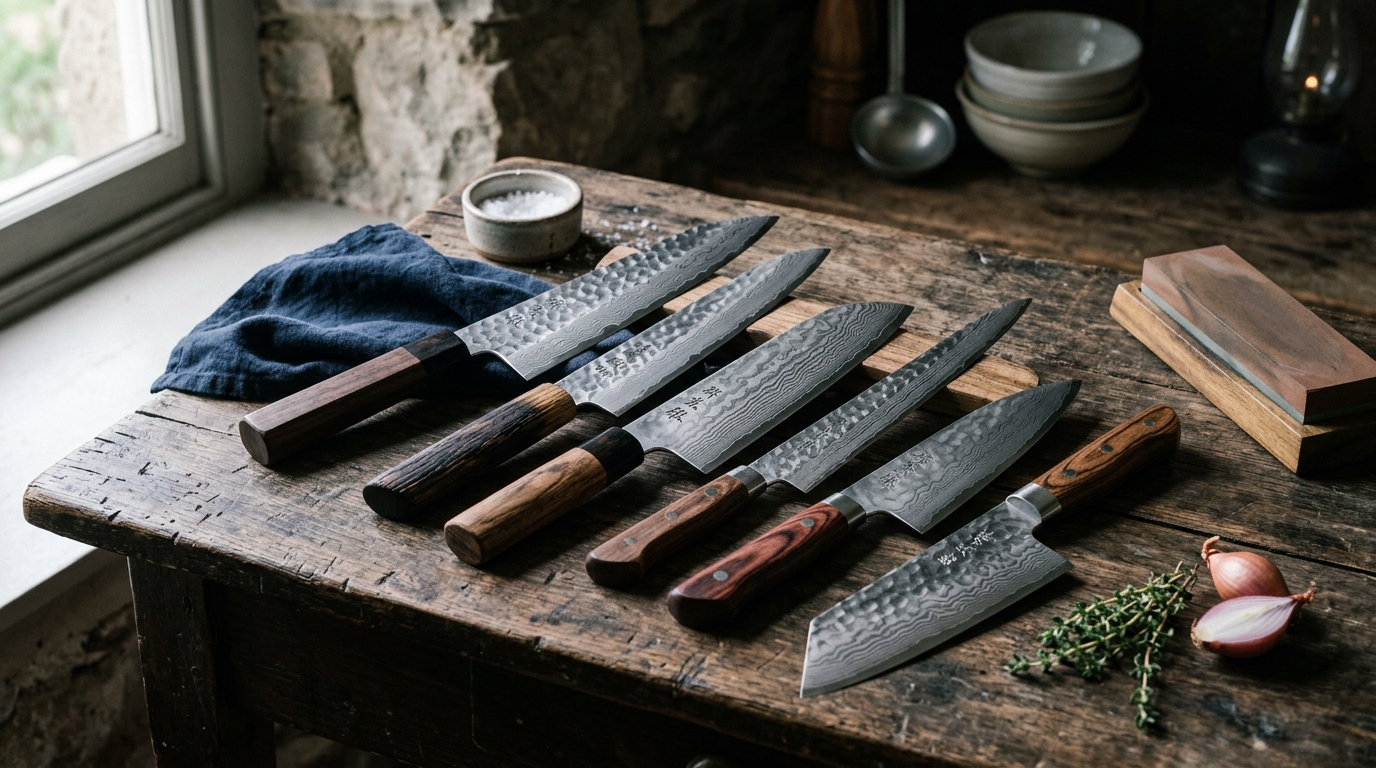
Musashi Japan, a subsidiary of Taimatsu Co., Ltd., has officially announced its "Road to Shogun" initiative to showcase the history and skill behind Japanese knife-making. This project focuses on the detailed production methods used by master blacksmiths in traditional regions such as Sakai and Echizen. By connecting modern buyers with historical artisan techniques, the company seeks to strengthen its position in the high-end culinary market. This move comes as global demand for authentic, handcrafted kitchen tools continues to rise among professional and amateur chefs.
Preserving Traditional Blacksmithing Methods
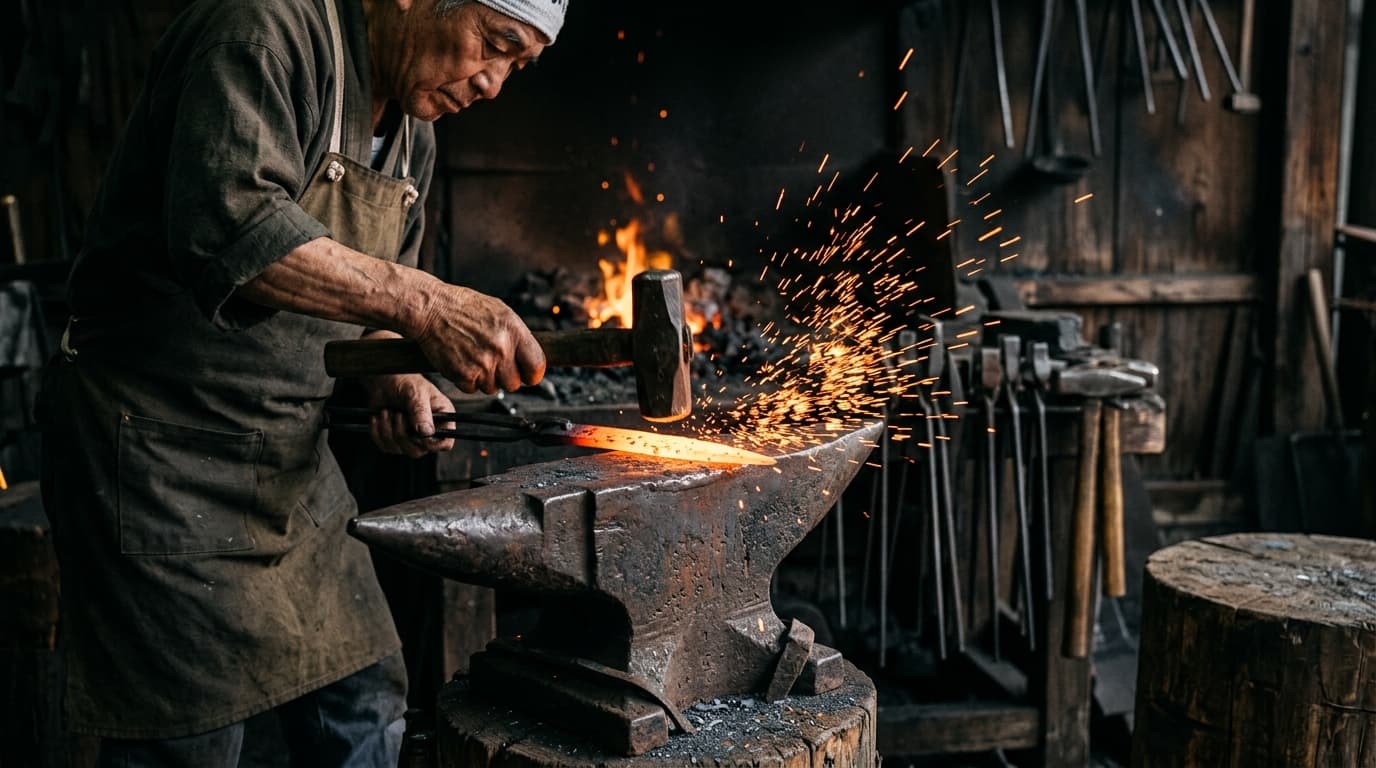
The "Road to Shogun" project documents the specific technical processes employed by artisans across Japan to create high-carbon steel blades. These craftsmen use multi-layered forging techniques that have been passed down through generations of sword-makers. Each regional style reflects unique historical influences and local environmental factors that affect the steel tempering process. Musashi Japan maintains direct relationships with these workshops to ensure every piece meets strict quality standards.
Market research indicates that consumers are increasingly looking for products with a verifiable heritage and transparent manufacturing history. Taimatsu addresses this by providing in-depth information about the heat treatment and hand-grinding stages of each knife. This level of detail helps customers understand the functional advantages of traditional Japanese steel over mass-produced alternatives. The initiative serves to justify the higher price points associated with these specialized tools.
The company also uses this platform to highlight the use of specific materials like Shirogami and Aogami steel. These materials are known for their ability to hold a sharp edge and their ease of maintenance. By explaining the science behind these metals, the brand educates its audience on the practical benefits of artisan cutlery. This educational component is a central part of the brand's strategy to build authority in the kitchenware sector.
Furthermore, the project addresses the long-term sustainability of the blacksmithing industry in Japan. Many of these traditional workshops face challenges due to an aging workforce and a lack of new apprentices. By bringing global attention to their work, Taimatsu hopes to inspire a new generation of makers and collectors. This support is vital for maintaining the cultural legacy of Japanese metalwork in a modern economy.
"The 'Road to Shogun' project serves as a bridge between the ancient traditions of Japanese blacksmithing and the modern culinary world. We aim to preserve these techniques while making them accessible to a global audience that appreciates quality and history."